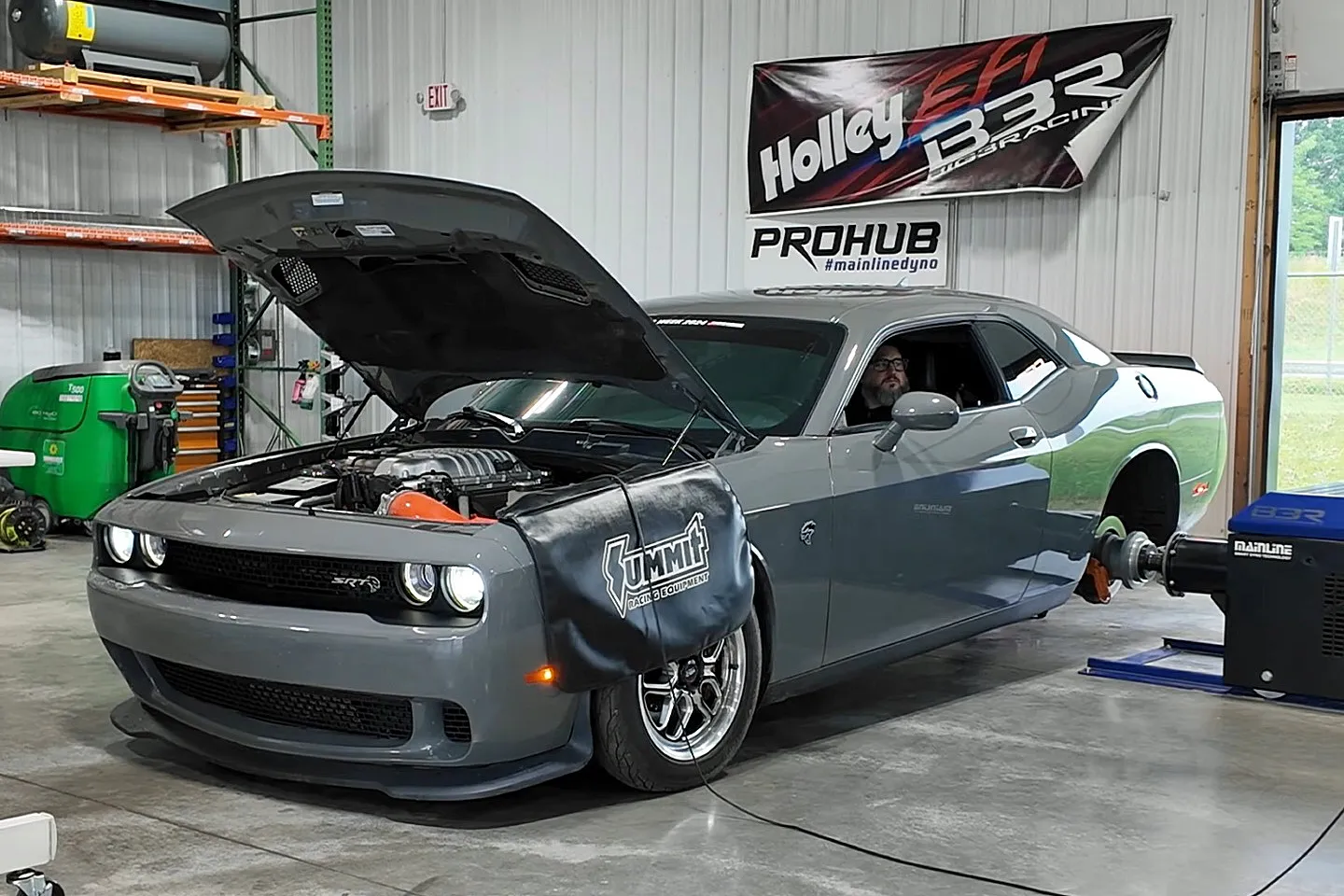
Hub Dyno or Rollers? Big 3 Racing Put One Hellcat on Both and Found 5 HP
The common belief is that a hub dyno reads higher than a chassis dyno. An Ohio shop tested it back to back, and the answer says more about what each machine is good for than about bragging rights.
Ask around any import night or test-and-tune and someone will explain that hub dynos read high, roller dynos read low, and an engine dyno is the only honest number. Big 3 Racing in West Salem, Ohio, has two roller dynos and a hub dyno under one roof, so the shop tested the first half of that belief directly. The difference between the two machines on the same car came out to five horsepower.
EngineLabs wrote up the test, which Big 3 posted as a short video. It is a small experiment, one car on one day, but it was set up carefully, and it is a good excuse to explain what each type of dyno actually measures.
How the test was run
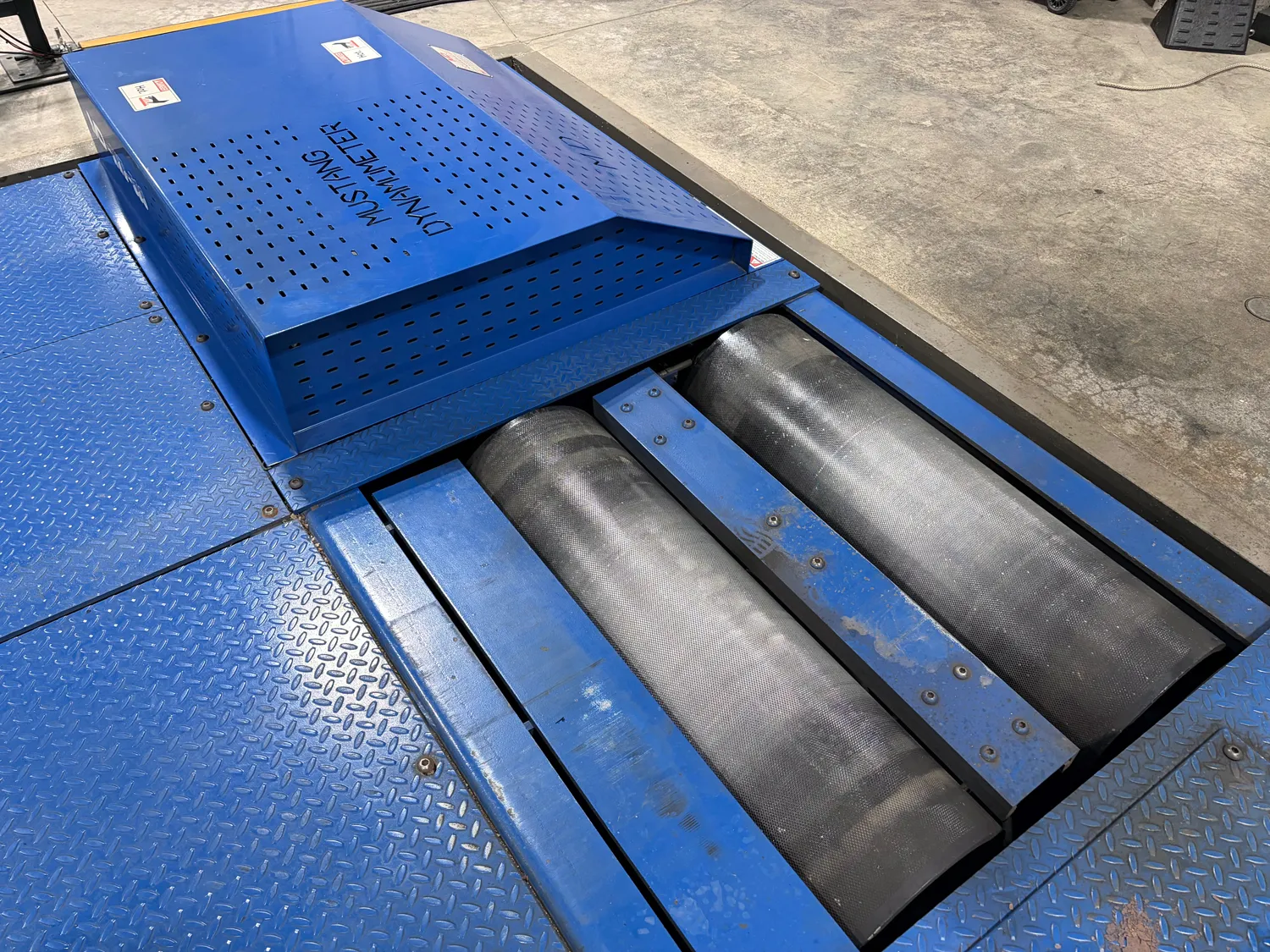
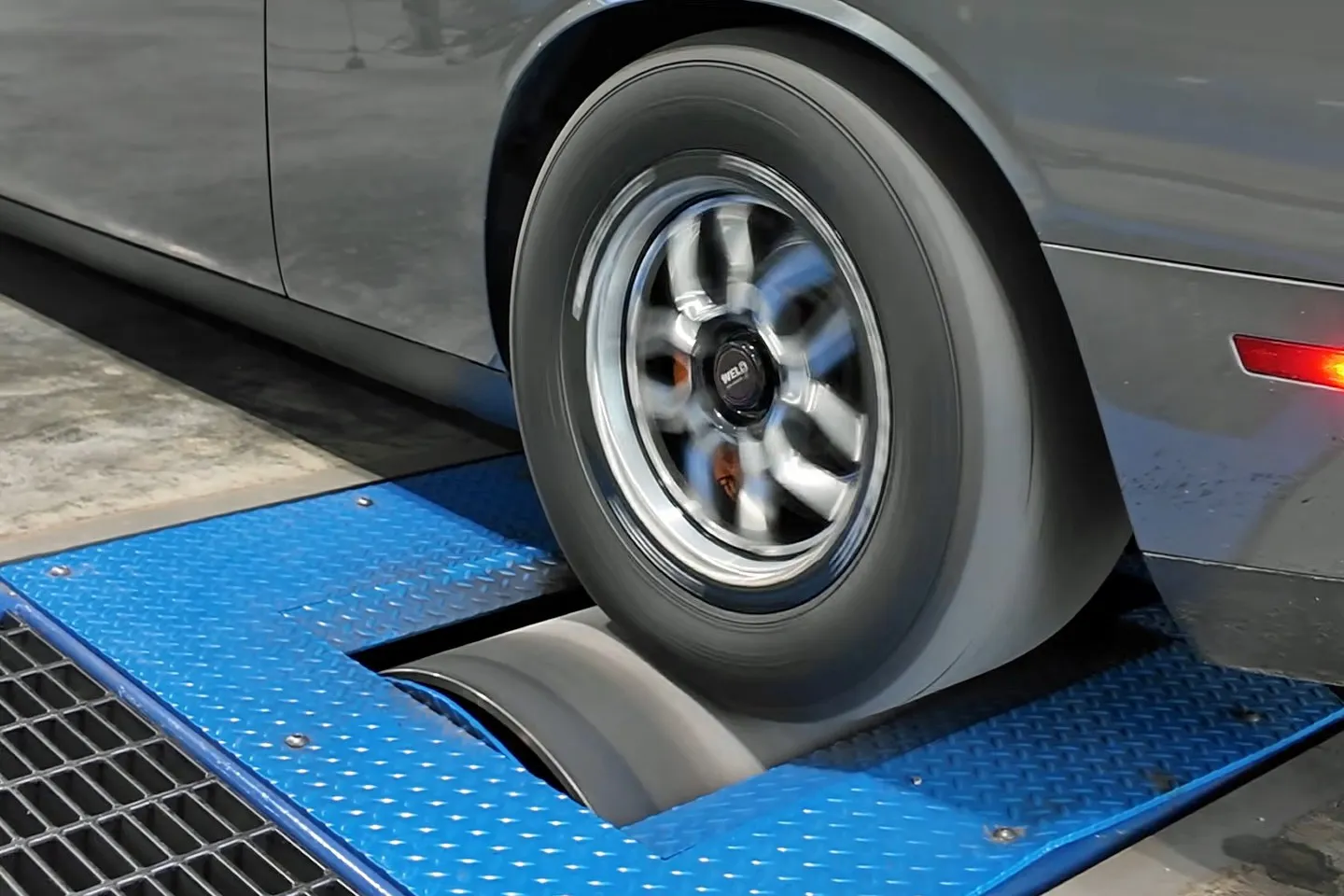
Head tuner Rick Trunkett used his own Hellcat Challenger. He put it on the shop's Mustang roller dyno within an hour of bolting it to the Mainline hub dyno, which EngineLabs notes minimizes differences in the weather and elevation correction factors. He was also able to apply exactly the same load on both dynos.
 View full photo
EngineLabs points out one more condition that matters: this was not a 2,000-plus horsepower car fighting for traction on the rollers. A car that is not fighting for traction is a fair fight for a roller dyno. The result was very little difference between the two, about five horsepower.
Why people expect a gap
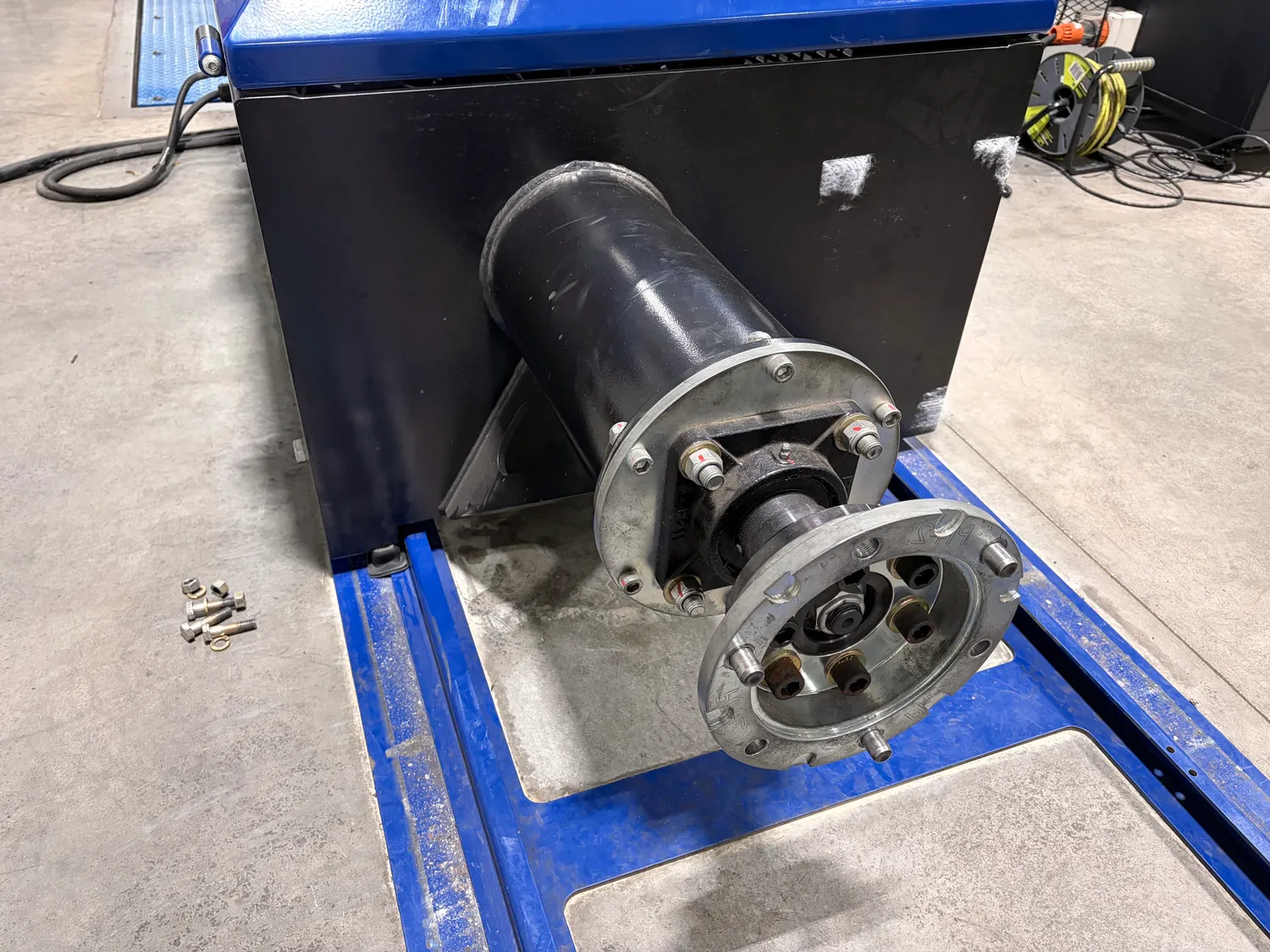
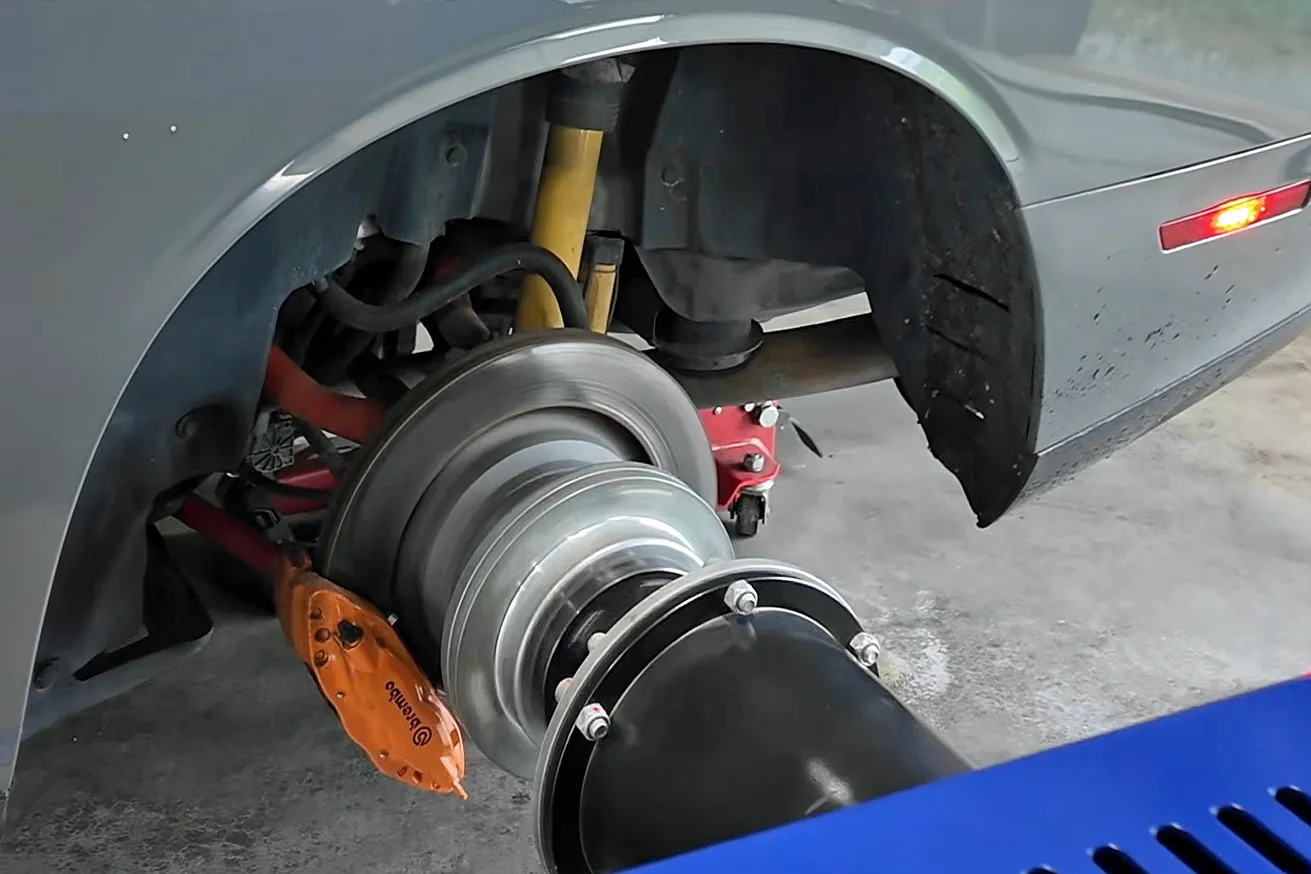
The logic behind the old belief is sound on paper. On a roller dyno, the car has to spin heavy drums through its own wheels and tires, and the tire can slip on the roller. A hub dyno removes the drums, the wheel and the tire from the equation by bolting directly to the hub. Fewer parts in the path should mean a higher reading.
 View full photo
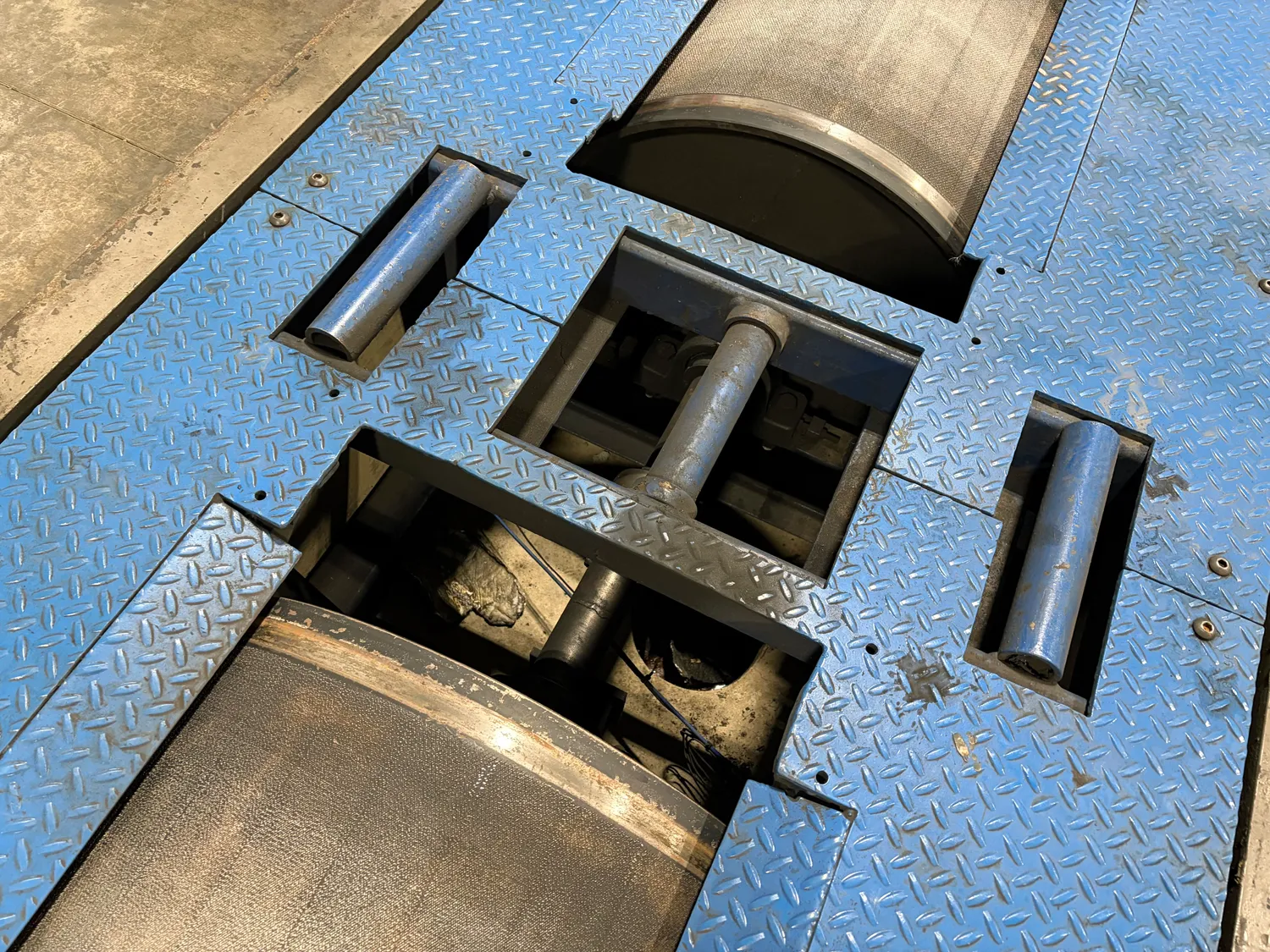
But not all roller dynos work the same way, EngineLabs explains. Inertia dynos use a heavy roller and calculate power from how quickly the car can accelerate it. Load-bearing dynos, like eddy-current units, apply a brake and measure the torque needed to resist it. The article suggests that the gap between a hub dyno and a load-bearing roller dyno may simply be smaller than people assumed, while the gap to an inertia-only dyno could still be larger. Big 3's test did not include an inertia dyno.
 View full photo
Where hub dynos earn their keep
If the numbers are close, why own a hub dyno? EngineLabs' answer is that the real strength is in high-horsepower drag cars. A roller dyno can struggle to keep a big-power car hooked, and the old fixes involve a lot of straps and ballast. A hub dyno takes traction out of the problem entirely.
 View full photo
It also takes the tire out. In extremely high-horsepower applications, drag radials and slicks grow at speed, which changes the effective gear ratio during a pull. Bolting to the hub avoids that and allows safer high wheel speeds. EngineLabs reports that the Mainline unit Big 3 uses has a brake capable of reading up to 6,000 horsepower, far beyond what roller dynos handle, and that tuners can simulate a drag strip pass on it before a car ever sees a track.
 View full photo
What it means for your numbers
The useful lesson is not which dyno is right. It is that comparing numbers between machines only works when the conditions are controlled. Big 3 controlled the big variables here: the same car, the same day, the same load and minimal time for the weather to change. That is why the result means something.
Reading a dyno sheet with that in mind
For anyone comparing numbers from different shops, the Big 3 test is a reminder to ask the basic questions before arguing about results. What kind of dyno was it, inertia or load-bearing? Was it a hub or roller unit? What correction standard was applied, and how far apart in time and weather were the runs being compared? A number without those answers is a rough guide at best.
The most reliable use of any dyno is still the same: measuring change on one machine, under controlled conditions, before and after a modification. That is what Trunkett did across two machines, and why a 5 hp gap on a Hellcat is a meaningful result rather than a rounding error.
For street cars making manageable power, a well-run load-bearing roller dyno and a hub dyno may land closer together than shop talk suggests. For four-digit drag combinations that cannot stay hooked on drums, the hub dyno's advantage is not a bigger number. As EngineLabs put it, it is getting an accurate reading without sixteen straps and two lumberjacks in the trunk.
Sources
This story is compiled from the published sources listed below.

Written by
Devin B.
Founder
Devin founded TORQFOLIO to cover the whole aftermarket scene, from hot rods and LS swaps to donks, drift and Baja. Based in Las Vegas and usually at a show or meet with a camera.
More from Devin B.TORQFOLIO Weekly
The best of the week in cars, builds & culture. Every Sunday.
Keep Reading
VMP's Leviathan Intake Helps a ProCharged Godzilla Make 1,771 HP on Pump E85
Devin B.,
An F-150 Wins the Drag Race and Students Steal the Show at Holley Ford Fest
Devin B.,
Seven Cams, One Blown LT4, One Day: What Flag and Griffin's Shootout Showed
Devin B.,
Ten-Second Slips at Sonoma: What the Testers Found in the 795-HP Mustang Dark Horse SC
Devin B.,
Conversation 0 comments
No comments yet. Start the conversation.