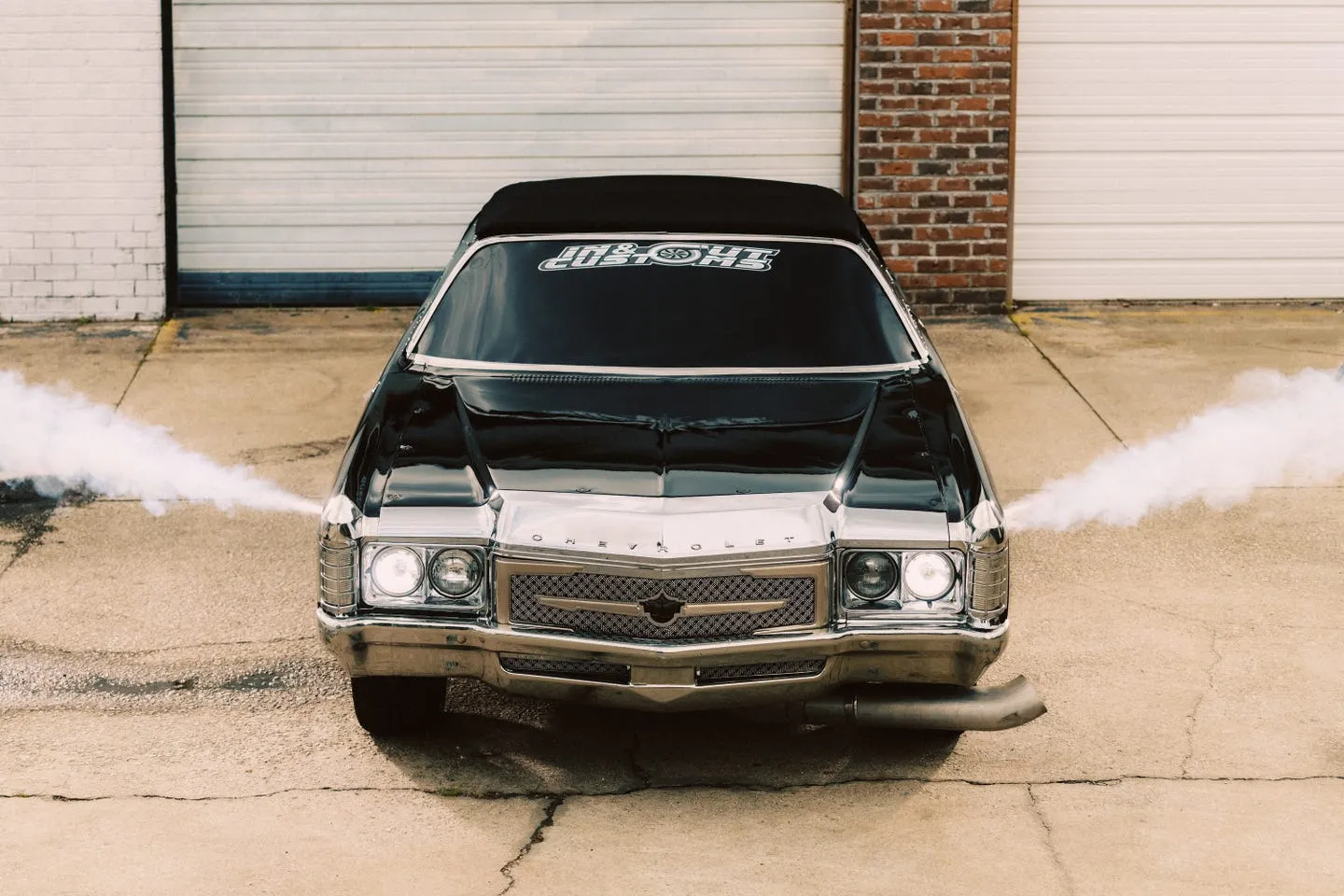
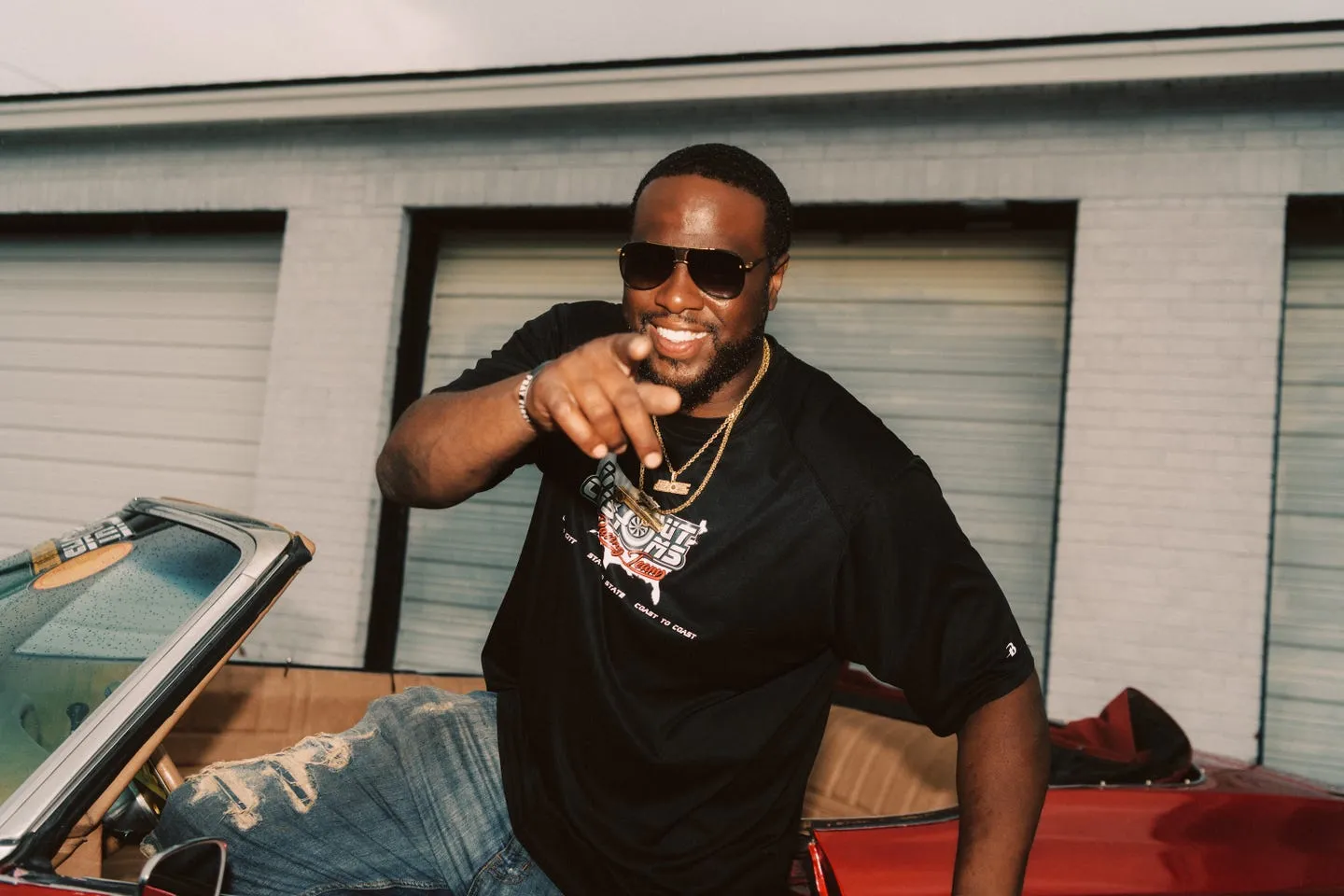
Kenny Lewis did not wait for the aftermarket to catch up. In the years when big wheels first took over the full-size Chevy, nobody sold the parts to make them fit, so the founder of I-95 Motorsports in Oakland Park, Florida, made his own. "I put a Jeep front axle in the car, straight axle," Lewis told Road & Track. "I did probably hundreds of those cars like that. Nobody was going to make us a spring."
That quote, from Rory Carroll's 2025 Road & Track feature on donk culture, sums up the first era of the style better than any spec sheet. The look came first. The engineering had to be improvised to support it, and it took close to two decades for the hardware to catch up.
Big Chrome and the first 24s
Ron Baugh was an intern at Arelli Wheels in the early 2000s, when the modern donk look started taking shape. He noticed a surplus of large-diameter wheel orders for installation on the 1996 Caprice and Impala SS, the car the scene calls a bubble. "There was this one shop in Atlanta, called Big Chrome, and they were the first ones," Baugh, who now works for Wheel Pros, told Road & Track. "They were installing lift blocks and putting 22s and 24s on these cars when there were no real low-profile tires available."
That was the core problem. Wheels like Arelli's Laced Hangtyme were designed for trucks, and tires in those sizes came with tall sidewalls. A 24-inch wheel wrapped in a truck tire has a big overall diameter, and a 1970s or 1990s Chevy sedan has wheel wells built for 15s. The only way to make it fit was to raise the car.
Jeep axles and body lifts
 View full photo
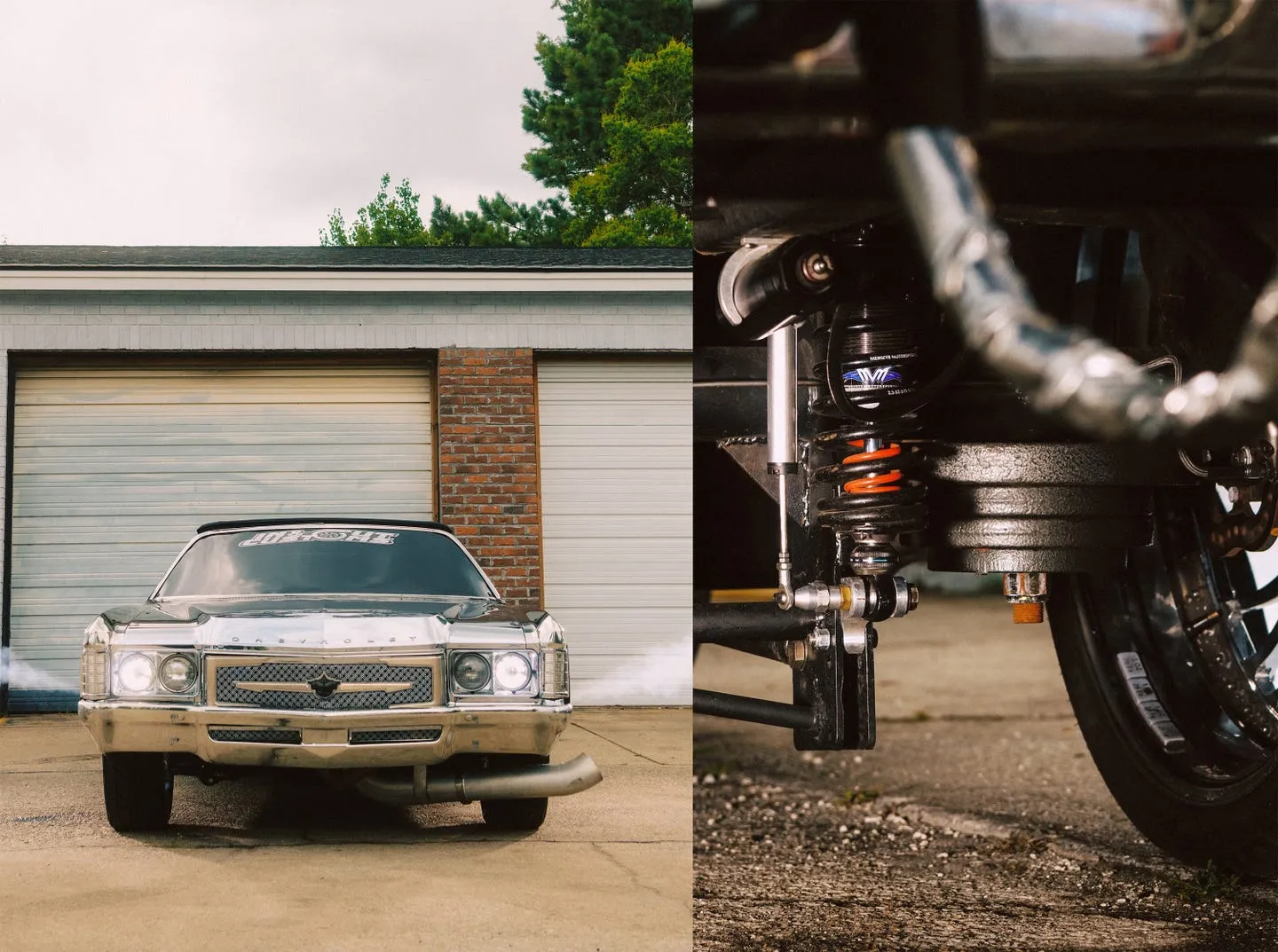
From about 2003 to 2008, Road & Track reports, Lewis and other early builders made it work however they could. The aftermarket was slow to offer suspension parts, so builders moved parts around until things fit. "So you just started trying to move stuff, make things fit," Lewis said. In his shop that often meant a solid front axle out of a Jeep in place of the Chevy's independent front end.
Sage "Donkmaster" Thomas, who runs In & Out Customs in Charleston, South Carolina, remembers the even cruder fixes. "I've even seen when they did body lifts to where they actually put a four-inch piece of metal in between the body and a frame to get the wheels up under the car," he told Road & Track. "If you've seen a lot of pictures from back in the day, you might see the frames hanging from under the cars."
Those cars got the donk its reputation as a teetering, monster-truck-tall street car. The Engine Block, in a 2018 explainer, described hi-risers in general as raised cars with wheels of at least 20 inches and often up to 30 or more. Plenty of people outside the culture never saw past that era.
Low-profile tires changed everything
 View full photo
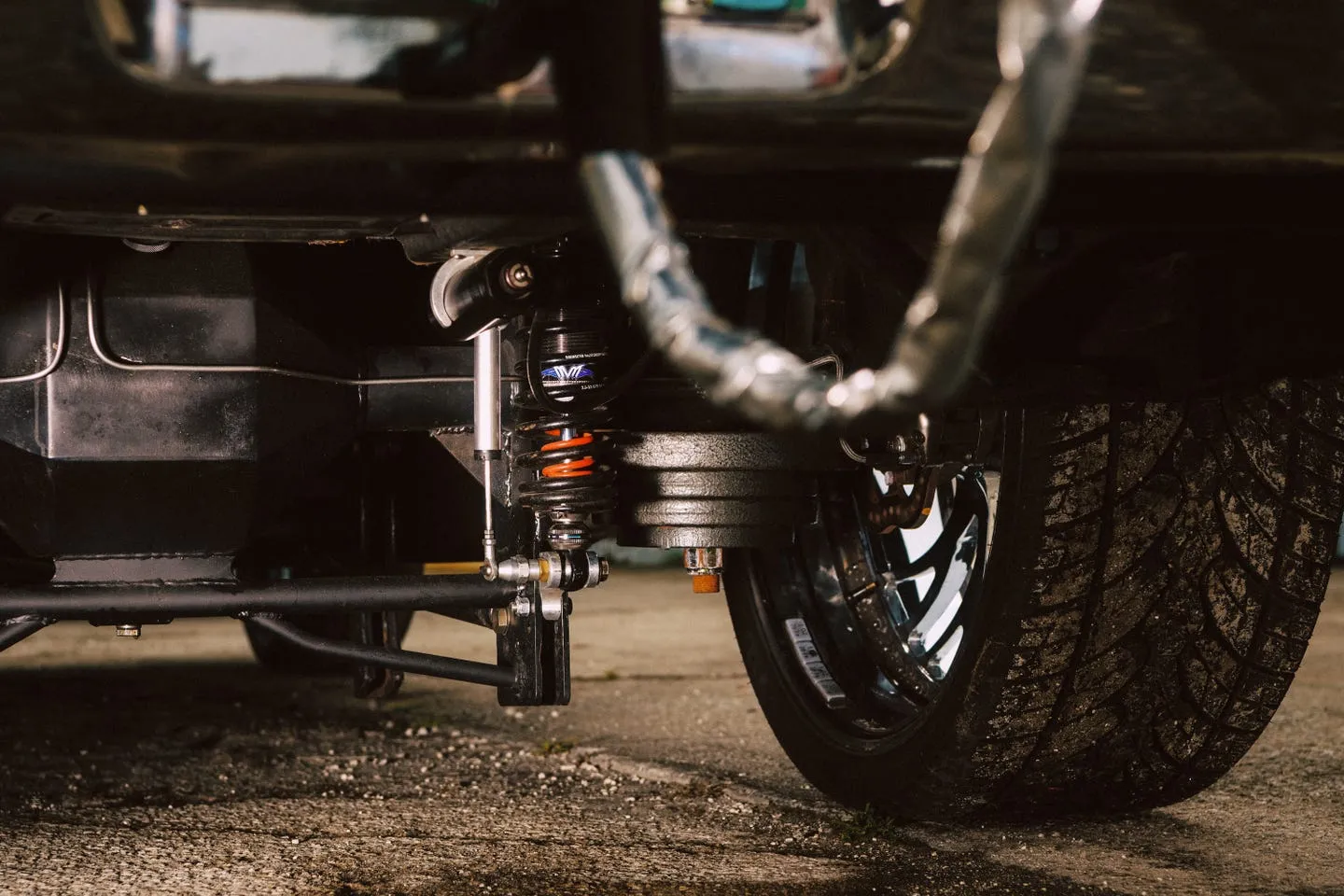
What changed the game was rubber. Lewis told Road & Track that the arrival of large-diameter, low-profile tires was the turning point. With less sidewall, a 26-inch wheel no longer meant an enormous overall diameter. Aftermarket suspension kits followed, and the cars got lower and better engineered.
Thomas used his street-racing background and suspension knowledge to fit big wheels while keeping a streetable ride height, and his shop now specializes in high-performance donks. He also formed a drag-racing series, the National Donk Racing Association, according to Road & Track. Racing on big wheels forces real engineering: brakes, geometry and traction all have to work at speed.
Road & Track summed up the modern standard bluntly. Body lifts, cut fenders and off-road axles have given way to neatly tucked wheels and near-stock ride heights. Underneath and under the hood, the cars look ready for Detroit's Autorama. They go, stop and handle, and they are reliable. In the magazine's words, the form has matured.
What a modern build looks like
 View full photo
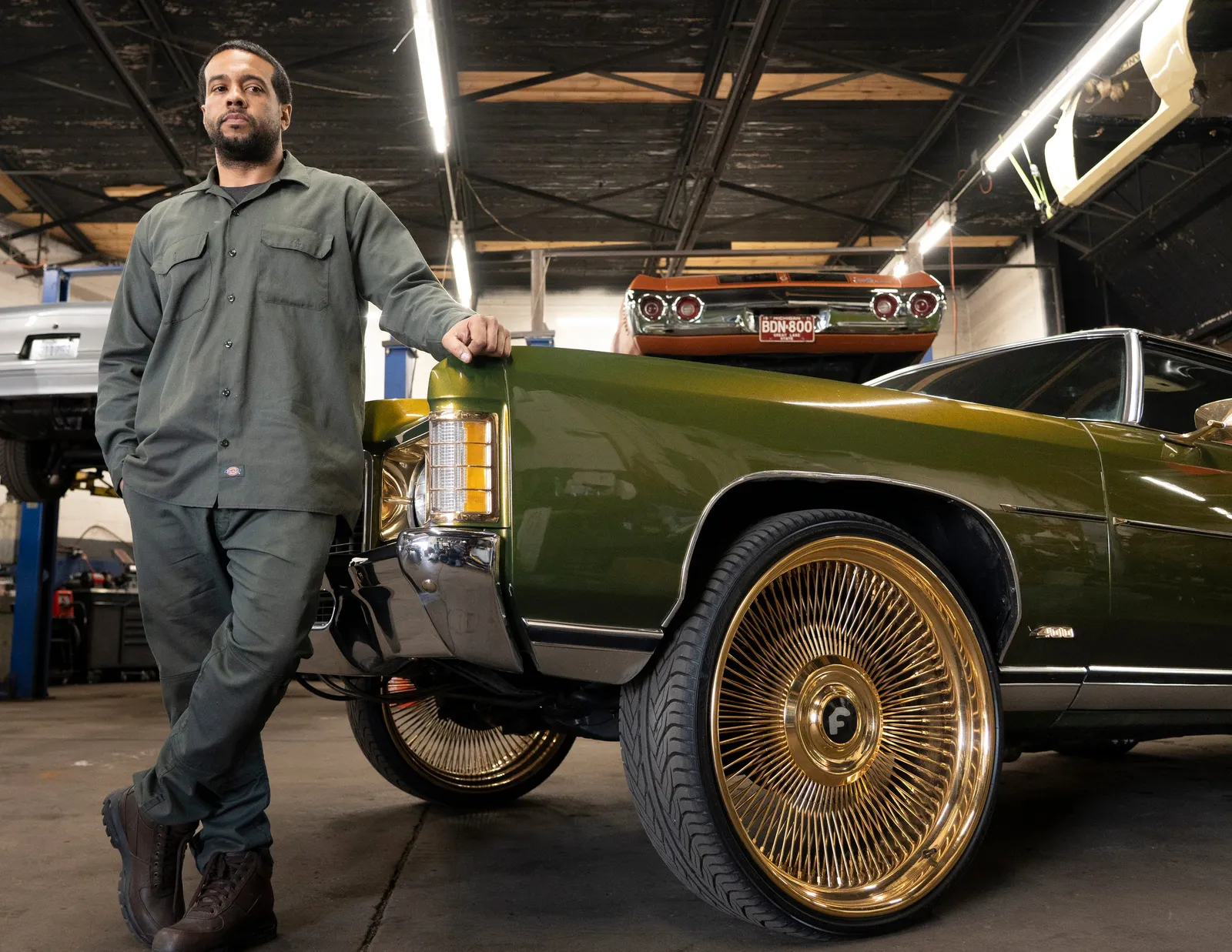
Detroit builder Brandon Pypkowski of Well Connected Customs described his process to the Detroit Free Press in April 2026, and it sounds a lot like a pro-touring build. "I build a cart and take the frame from under the car and literally strip it down to bare bones," he said. He adds aftermarket brakes and "aftermarket everything," especially suspension, and redoes the wiring. "They're not hot rods, but we turn them into hot rods," Pypkowski said, comparing the suspension and engine work to Chevelles, Camaros and Corvettes, with the ride of a Cadillac.
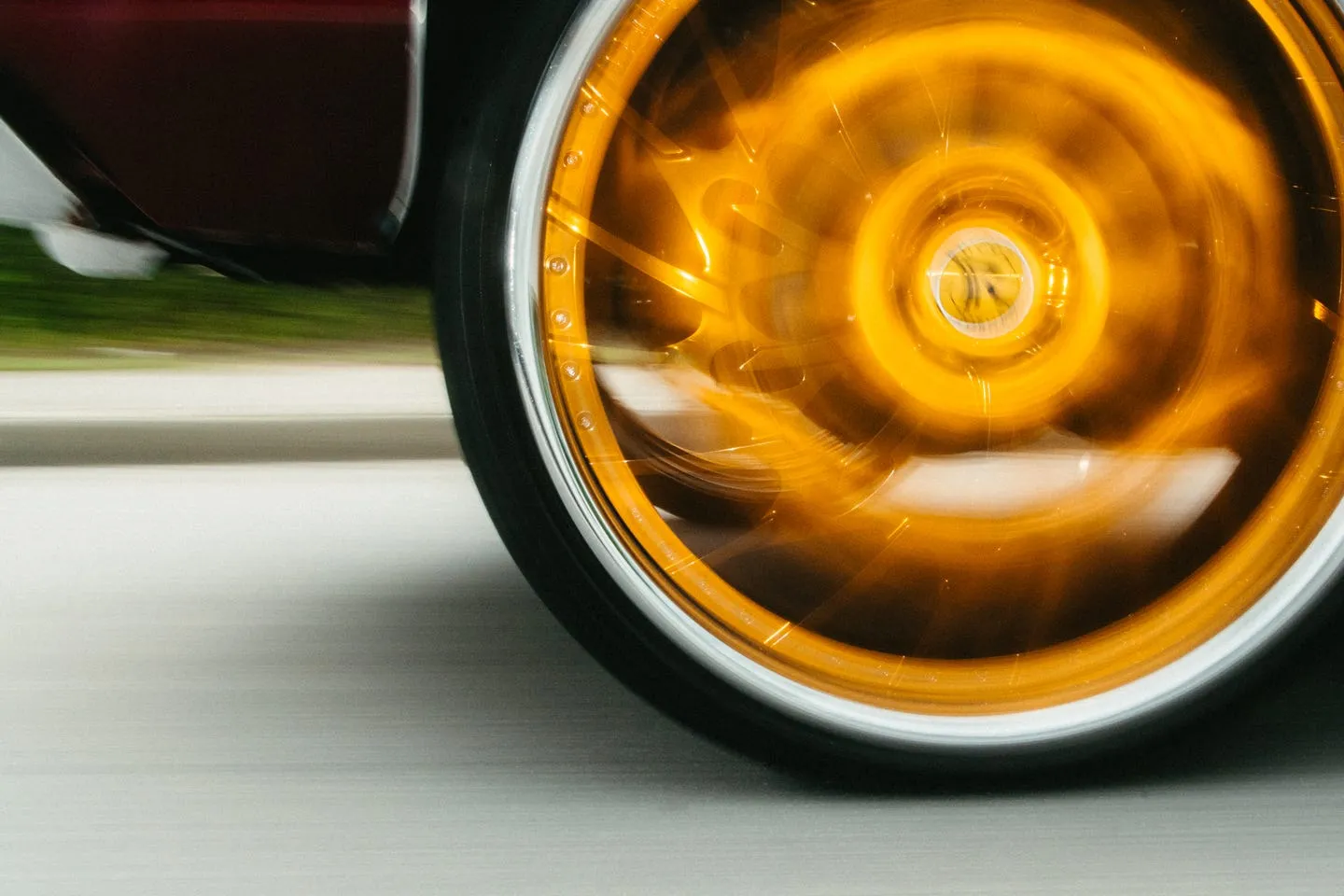
Even the wheel size is coming back down at the top end. "They realized that those wheels and stuff aren't fun to ride," Lewis told Road & Track. "They're going from 26s down to 24s." Molded interiors and screens are giving way to upgraded original looks too.
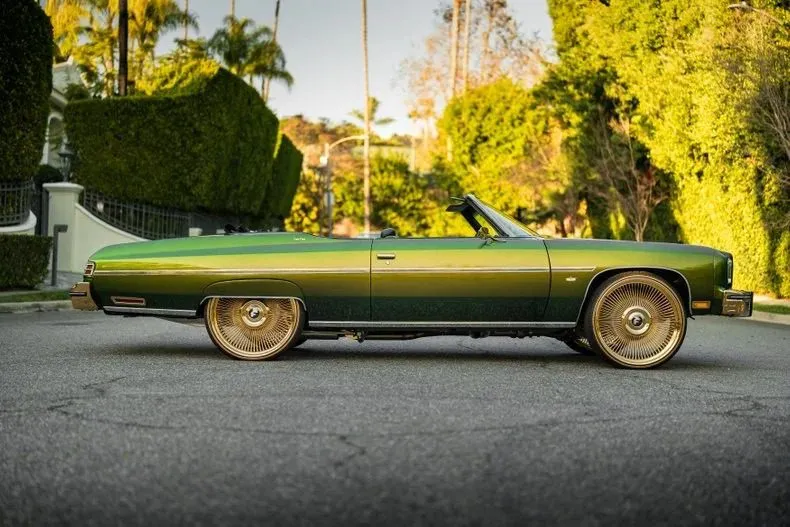
None of that means the donk has lost its edge. The wheels are still enormous by any normal standard, and the paint is still loud. The difference is that the best ones now hide serious engineering behind the show. A Jeep axle under a Caprice was a clever answer in 2005. A tucked 24 on a modern suspension is the better one.
Sources
This story is compiled from the published sources listed below.
- Is That Car on Big Rims a '71-'76 Chevy Caprice or Impala? No? Then It's Not a Donk., Road & Track via Yahoo Autos
- Detroit auto shop turns classic Caprices into high-powered donk cars, Detroit Free Press via Yahoo Autos
- All Roads Connect: Hi-Risers... What the Hell Are Donks?, The Engine Block

Written by
Devin B.
Founder
Devin founded TORQFOLIO to cover the whole aftermarket scene, from hot rods and LS swaps to donks, drift and Baja. Based in Las Vegas and usually at a show or meet with a camera.
More from Devin B.TORQFOLIO Weekly
The best of the week in cars, builds & culture. Every Sunday.
Keep Reading
Not Every Car on Big Wheels Is a Donk, and the Builders Who Know the Difference Want It Kept That Way
Devin B.,
Inside Well Connected Customs, the Detroit Shop Turning Grandma's Caprice Into a Hot Rod
Devin B.,
The Crew Motorfest on Switch 2 Is the Console's Best Car Game, Reviewers Say, With One Big Catch
Devin B.,
'Bipolar' Is I95 Motorsports' Gold-Plated 1975 Caprice, and Every Nut and Bolt Is Part of the Show
Devin B.,
Conversation 0 comments
No comments yet. Start the conversation.