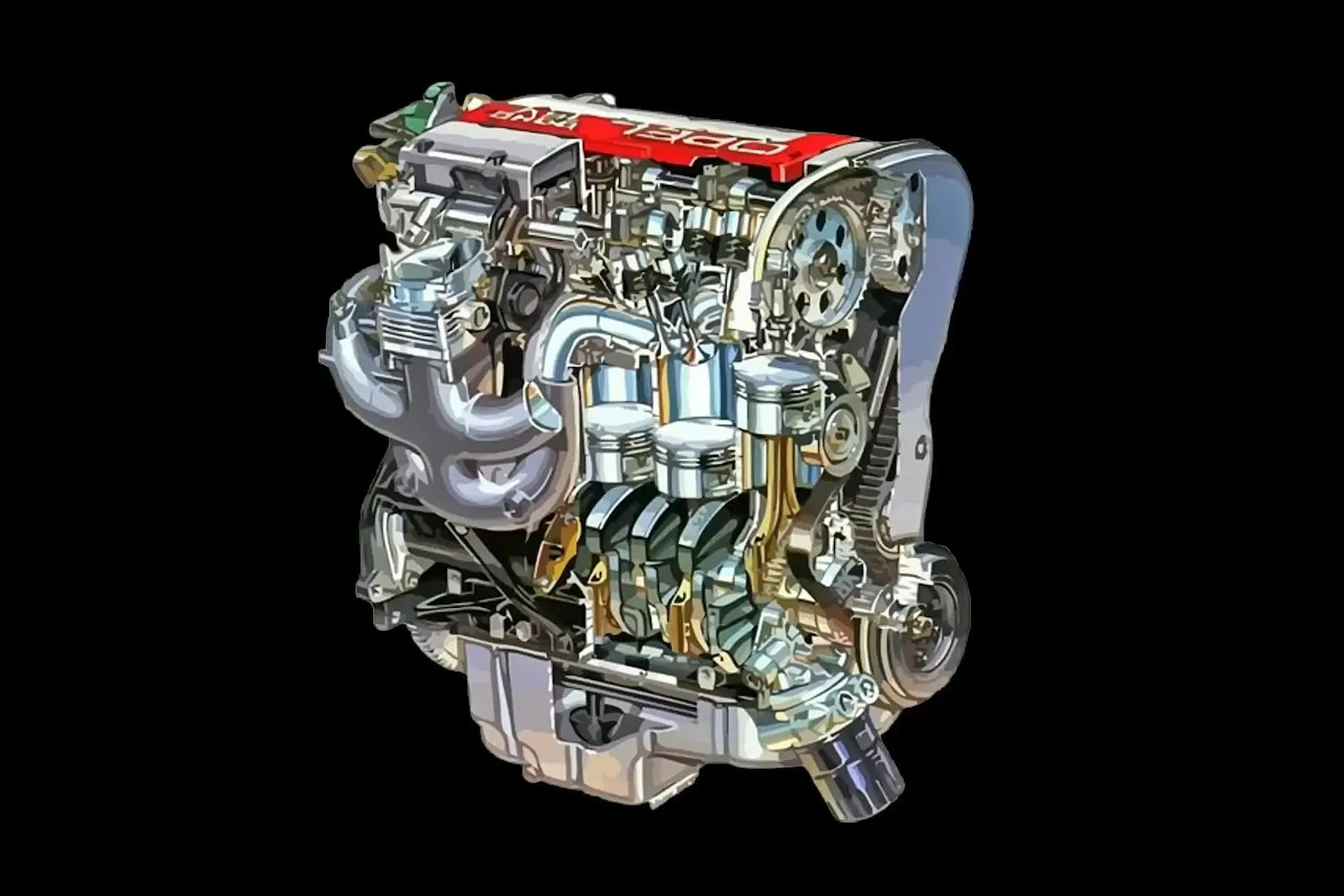
An Opel Block, a Cosworth Head: Why the C20XE Is Still a Euro Tuning Legend
An iron Opel block, a Cosworth 16-valve head and a turbo version that tuners double without opening up. EngineLabs' look at the C20XE family explains why European builders still hunt for them.
Ask a European tuner to name the great 2.0-liter fours and the list gets crowded fast. Ask which one General Motors and Cosworth built together and the answer is Opel's C20XE. That engine and its turbocharged sibling, the C20LET, have powered rally cars, hill climb specials, touring cars and Formula 3 cars. In October, EngineLabs ran a deep look at why the engine still matters, and the numbers make the case on their own.
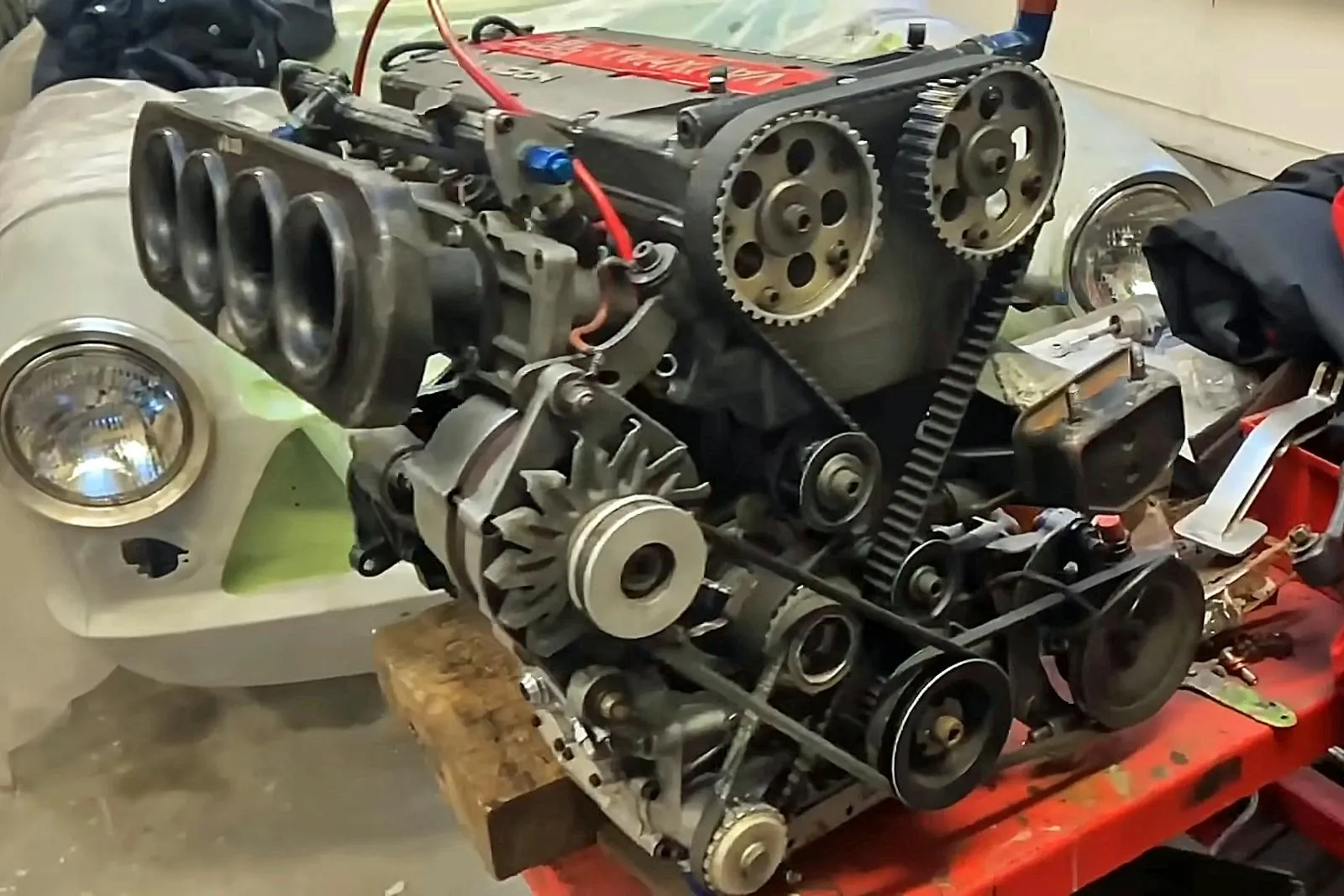
An iron Opel block with a Cosworth head
The story starts with GM's Family II, the mid-size four Opel engineers designed in the 1970s for GM Europe. It debuted in the early 1980s in displacements from 1.6 to 2.4 liters, with an iron block and an aluminum single-overhead-cam, two-valve head. Solid, simple and everywhere.
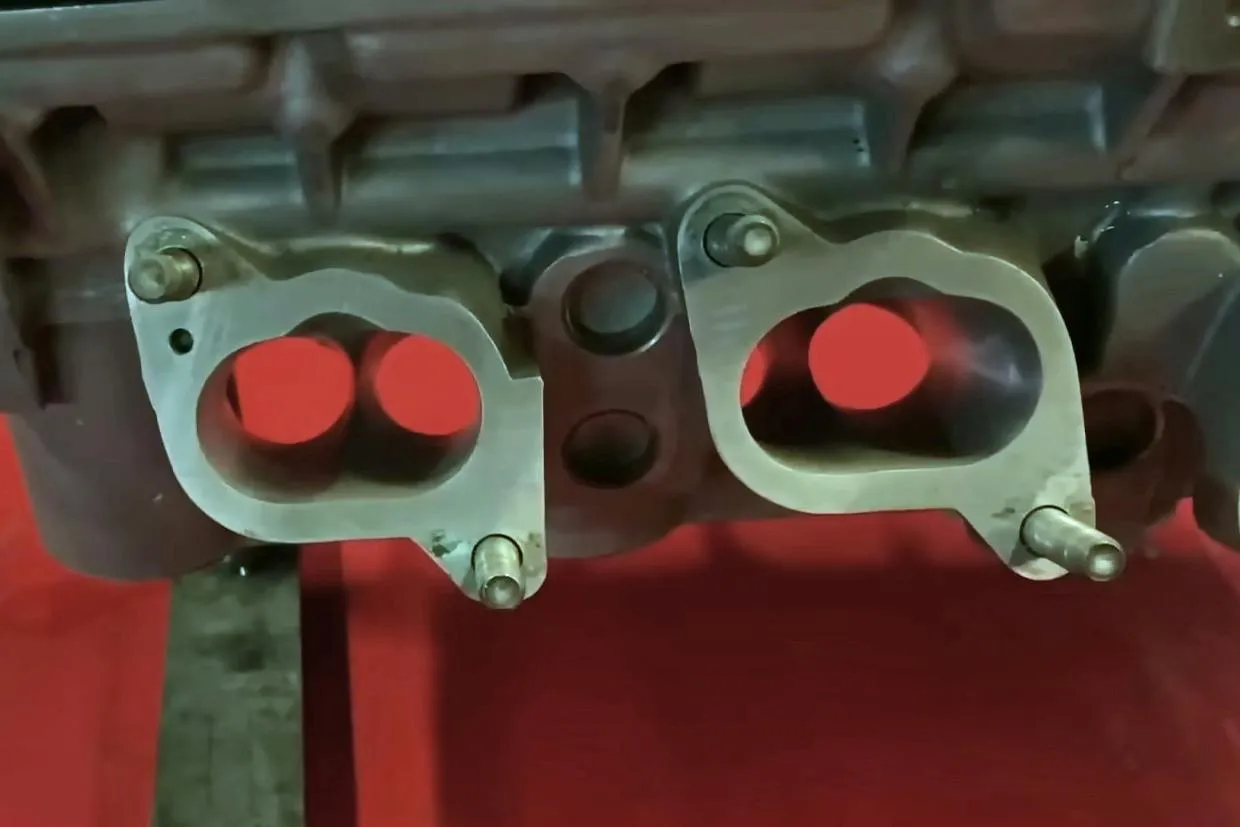
Cosworth took the closed-deck iron block and its square 86 mm bore and stroke, about half a liter per cylinder, and gave it a new head. The result was the 20XE: belt-driven double overhead cams, 16 valves, forged pistons with four valve reliefs and 10.5:1 compression, run by sequential multiport injection and a Bosch Motronic 2.5 ECU. EngineLabs puts output at 156 hp and 150 lb-ft, and notes an advertised thermal efficiency of 37 percent, an impressive figure for the mid-1980s.
 View full photo
C for catalyst, LN for low noise
The "C" in C20XE marks the version fitted with a catalyst and oxygen sensor for incoming European emissions rules, which cost about 6 hp on paper. In the early 1990s came the Low-Noise, or LN, revision. It swapped the forged piston for a cast one, used a smaller cylinder head port, moved to distributorless coil-pack ignition and switched to a Bosch Motronic 2.8 ECU.
That split is the first thing anyone shopping for one of these engines learns. The early forged-piston engines and the later LN engines are not the same starting point for a build, and EngineLabs' breakdown of the changes reads like a buyer's checklist: piston material, port size and ignition hardware all moved.
The C20LET and the 400-hp question
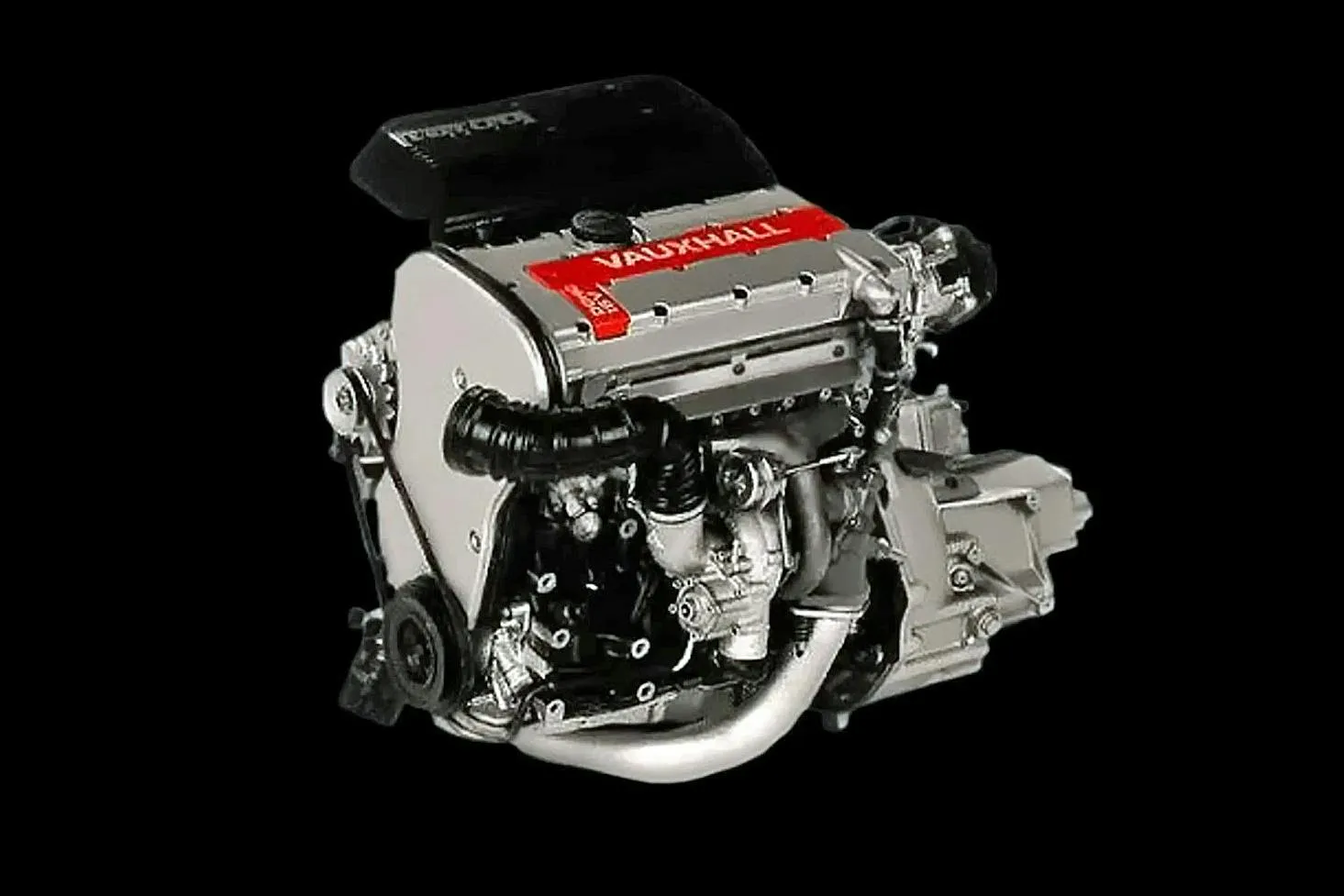
In the early 1990s GM added a turbocharged version, the C20LET, with a K16 turbocharger and forged pistons that dropped compression to 9.0:1. Factory output was about 200 hp and 200 lb-ft.
 View full photo
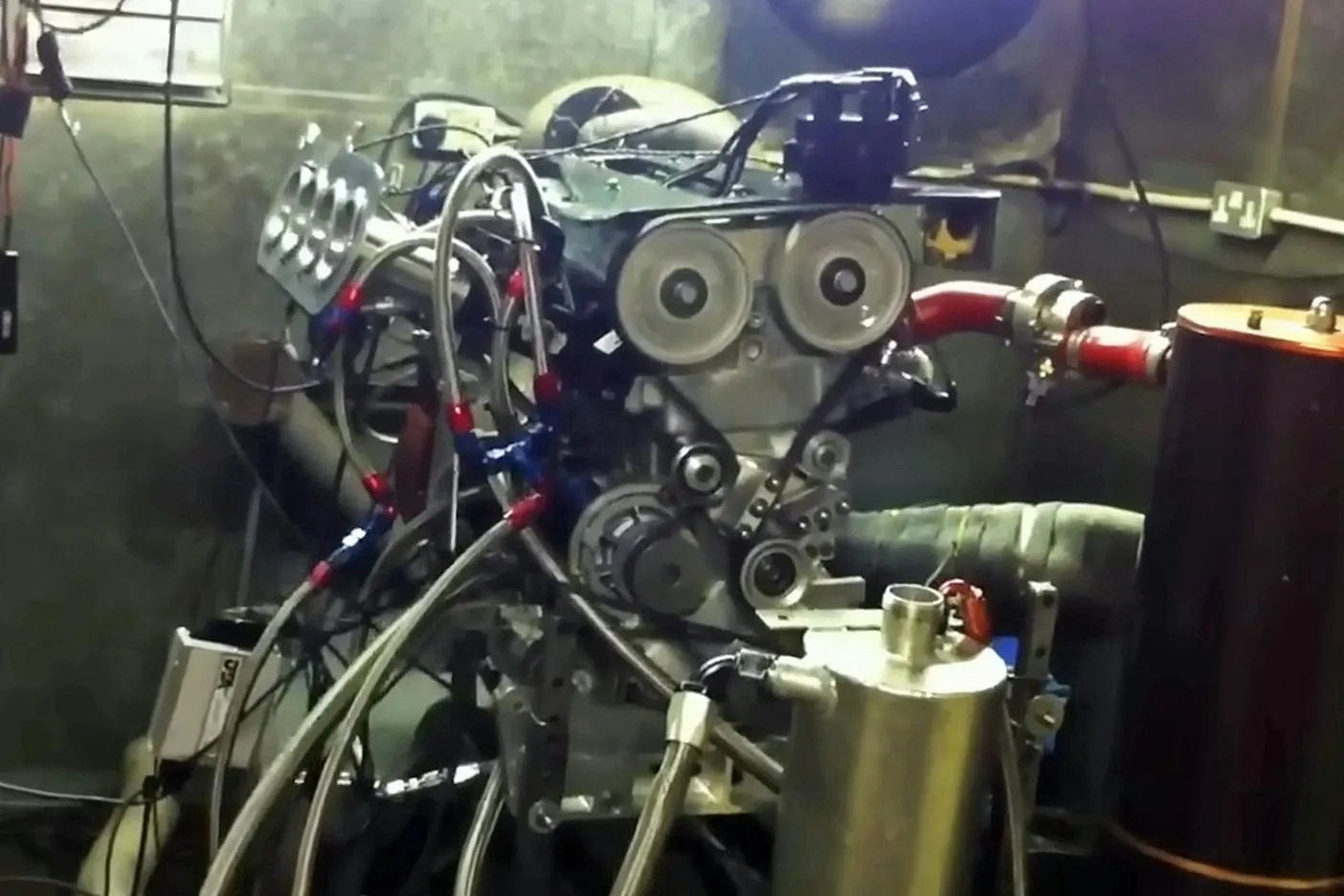
That is where the legend comes from. EngineLabs reports that tuners have pulled about 400 hp from unopened engines, and nearly double that with aftermarket internals. A square-bore iron block with a Cosworth head that doubles its factory power without being opened explains why these engines still get pulled from tired hatchbacks and dropped into everything from track cars to kit cars.
 View full photo
Reading the spec sheet like a builder
Run the numbers EngineLabs published and the appeal is easy to see. The 20XE's 156 hp from 2.0 liters works out to 78 hp per liter, strong for a mid-1980s production engine. The C20LET's factory 200 hp is 100 hp per liter on 9.0:1 compression, and the reported 400 hp from unopened engines doubles that.
The revision history matters for anyone planning a build. The early engines came with forged pistons; the LN version went to cast pistons and smaller ports, the kind of change that shapes how hard a stock bottom end should be pushed. The C20LET kept forged pistons and dropped compression for boost from the factory. EngineLabs' figure of nearly double the power with aftermarket internals shows where the real ceiling sits once the pistons and rods are replaced.
A racing engine hiding in a family car
The C20XE earned its reputation in competition first. EngineLabs notes it was used in European rally, hill climb and touring car racing, and that in open-wheel form it made about 250 hp and powered championship-winning Formula 3 programs. Lotus based its next-generation Ecotec engine on the C20XE, which tells you how much engineering credibility the design carried inside GM.
In racing trim the arithmetic gets even more striking. EngineLabs' figure of about 250 hp in open-wheel form is 125 hp per liter from a naturally aspirated two-liter with an iron block, the kind of specific output that made it a championship engine in Formula 3.
For American readers, the C20XE sits in an odd place. Opel and Vauxhall hot hatches never sold here in any number, so the engine is mostly known here through European tuning culture and the occasional import project. But its recipe should sound familiar to anyone who has built a Honda B-series or a Toyota 3S: an affordable, mass-produced block, a race-bred four-valve head, and an aftermarket that figured out long ago how far it can be pushed.
Why it still matters
Plenty of modern turbo fours make more power from the factory. The C20XE family offers something different: an iron block that tolerates boost, a head designed by a race engine company, and engine management simple enough to replace. That is why, decades on, EngineLabs could still call it an awesome engine without irony, and why it keeps showing up on dynos with individual throttle bodies or a bigger turbo hanging off the side.
 View full photo
Sources
This story is compiled from the published sources listed below.

Written by
Devin B.
Founder
Devin founded TORQFOLIO to cover the whole aftermarket scene, from hot rods and LS swaps to donks, drift and Baja. Based in Las Vegas and usually at a show or meet with a camera.
More from Devin B.TORQFOLIO Weekly
The best of the week in cars, builds & culture. Every Sunday.
Keep Reading
Toyo Treadpass 2026: A CLK GTR McLaren, a Type R Powered Murcielago and Eccentric's Widebody FD
Devin B.,

Hurricane Warnings, Three Yellow 935s and 8,000 Fans: Luftgekühlt Comes Home to Porsche's American Base
Devin B.,

The 2026 GTI Still Drives Like the Benchmark. Three Reviewers Spent the Summer Fighting Its Touch Sliders
Devin B.,
An iRacing Champion and a Le Mans Winner Compared Notes. Here's What Actually Transfers From Sim to Track
Devin B.,
Conversation 0 comments
No comments yet. Start the conversation.