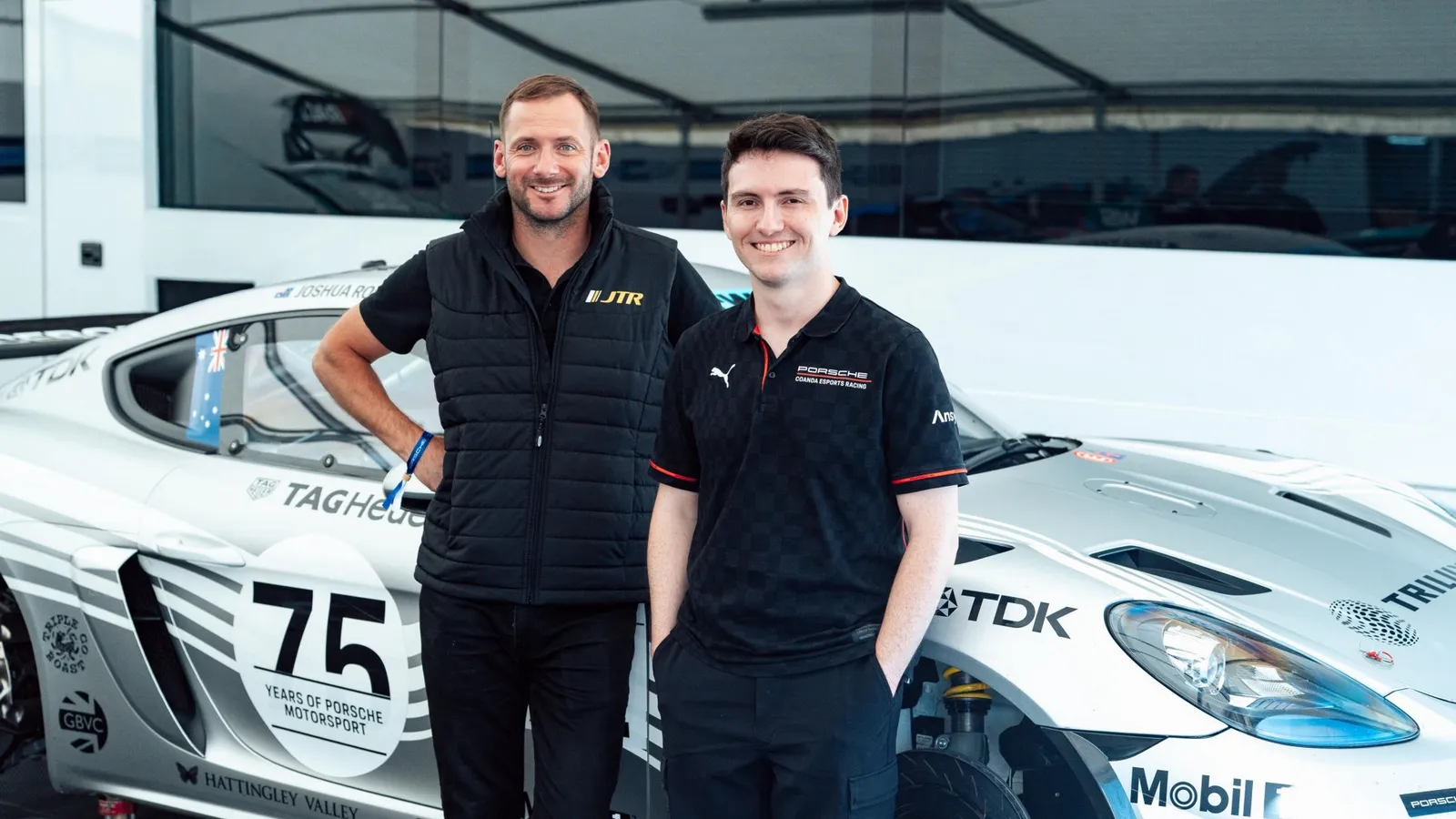
An iRacing Champion and a Le Mans Winner Compared Notes. Here's What Actually Transfers From Sim to Track
Joshua Rogers and Nick Tandy agree the concentration is identical and the best sim drivers are fast in real cars. The senses, the stress and the way you should practice are a different story.
Nick Tandy has won Le Mans outright. Joshua Rogers has won the iRacing world championship three times. Put them in a room together and ask what carries over from the screen to the track, and the answers are more interesting than either the "sim is just a game" crowd or the "sim made me fast" crowd would like.
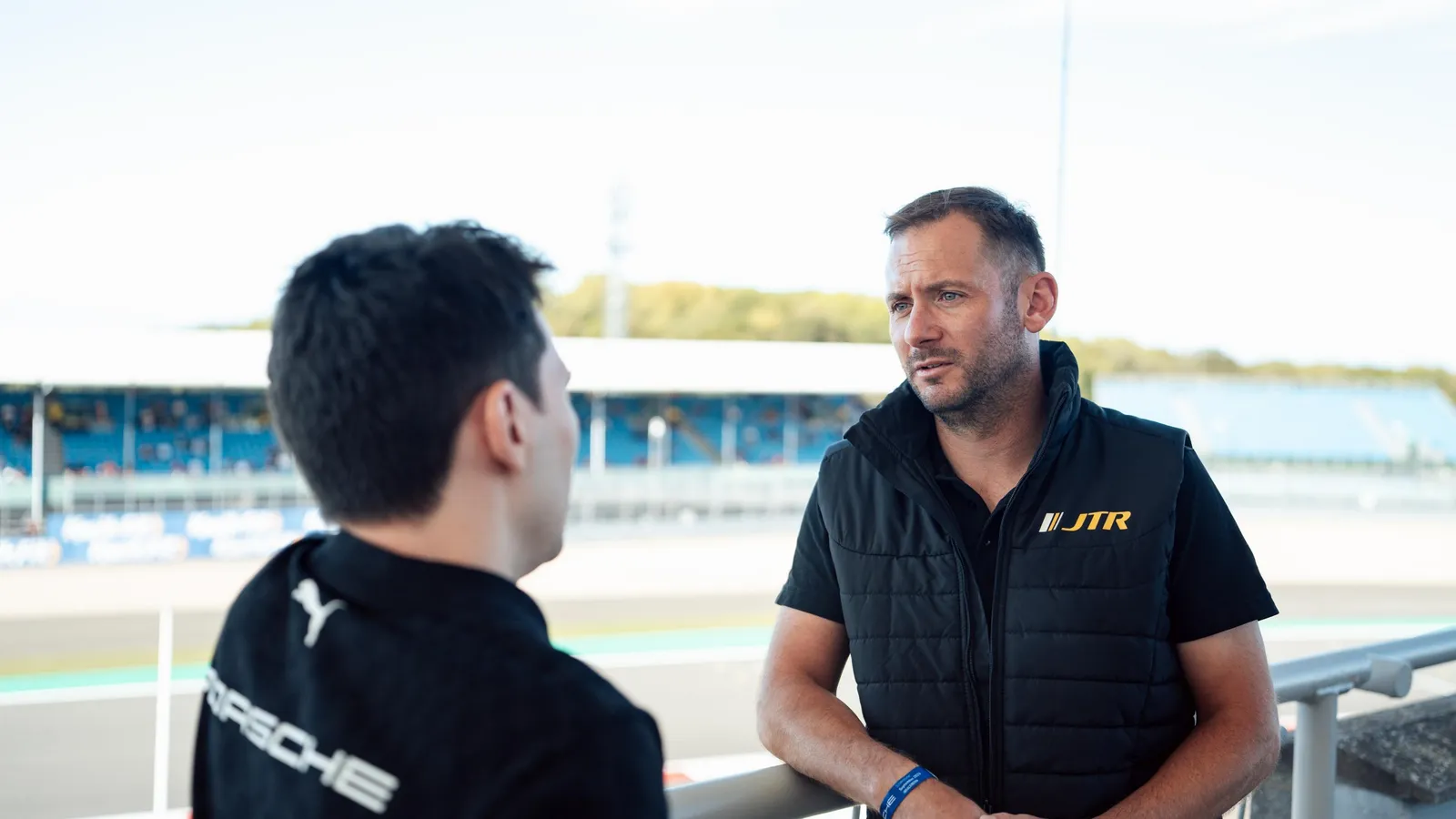
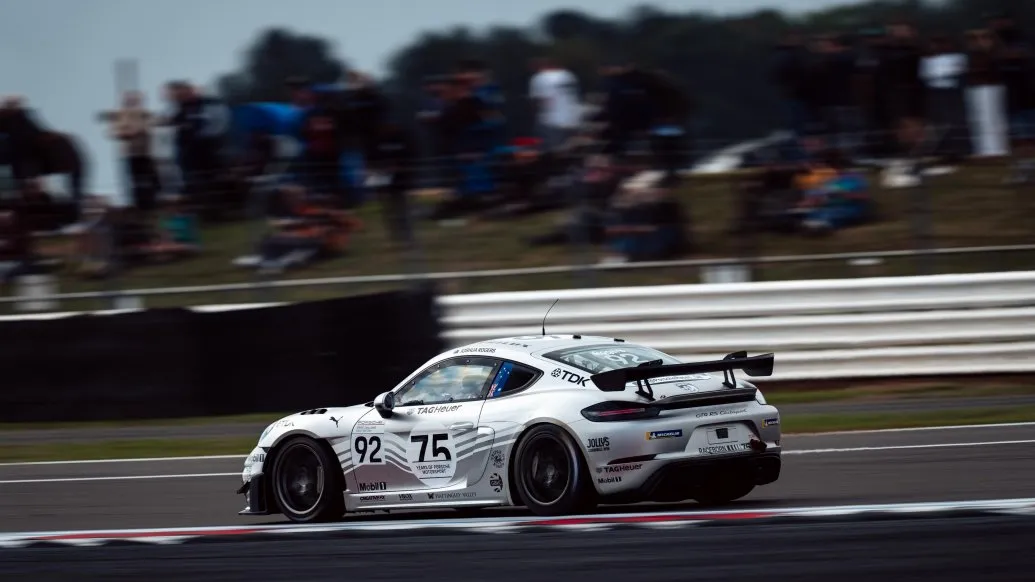
Porsche did exactly that this fall, sitting down its factory driver and its sim racing star for a conversation published October 14. Rogers, a 26-year-old Australian, races for the virtual Porsche Coanda Esports Racing team and, in 2026, for Team Parker Racing in the Porsche Carwow Sprint Challenge GB in a 718 Cayman GT4 RS Clubsport. Tandy, 41, won Le Mans in 2015 in the Porsche 919 Hybrid. The two already had history: in 2020 they shared the GTE class win in the virtual 24 Hours of Le Mans with Ayhancan Güven and Tommy Østgaard.
 View full photo
What transfers
Tandy's first point is the one sim racers want to hear. "The best simulation drivers will always be good in a car," he told Porsche. His argument, as Porsche summarizes it, is that raw talent and dedication show up in both disciplines.
The specific skill that moved across most clearly ran in the opposite direction from what you might expect: from Rogers to Tandy. During the virtual Le Mans, Rogers taught the factory driver how to place a GT car for faster prototypes coming through without giving up his own line, according to Porsche. Traffic management in a multiclass race is a skill sim endurance racing drills constantly, because the field is always mixed and the stakes, at least for points, are real.
Rogers says the feel he developed in the sim carried over to the real car. And for both of them, the mental side matched. "The amount of concentration is the same," Tandy said. Winning brings the same focus and the same euphoria whether the car is real or not.
 View full photo
What does not
The senses are the big gap. Rogers told Porsche that moving from the real car to the sim strips away sound and tactile feedback. Tandy described having to change how he judged tire wear: in a real car he feels the grip going away through the chassis, but in the sim he had to listen for it instead.
 View full photo
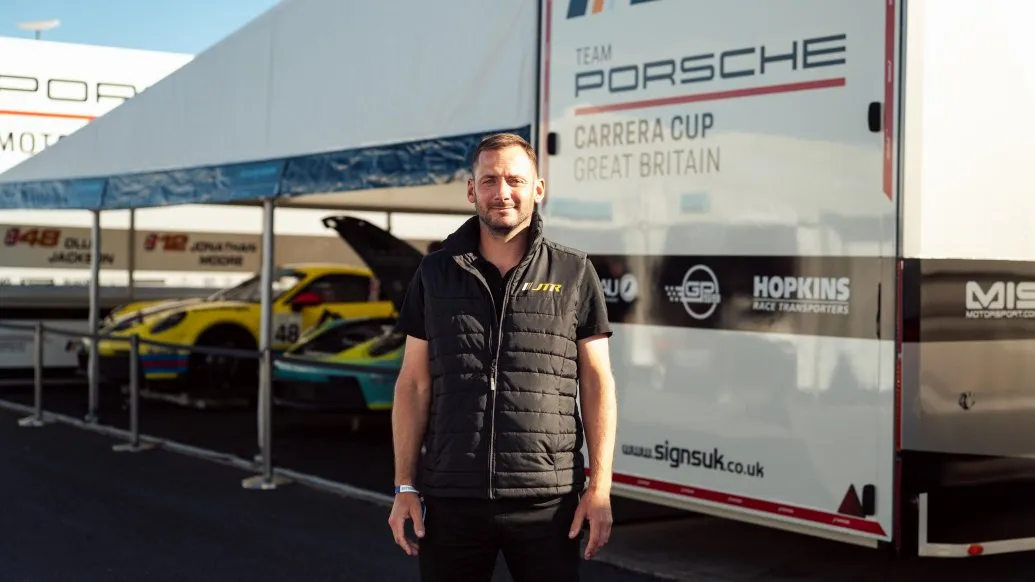
The surprise is pressure. Both said sim racing can be more stressful than the real thing. "I would sweat more sitting in an air-conditioned room, not moving," Tandy said. Rogers backed that up with numbers: his heart rate runs 140 to 160 beats per minute in the sim and often hits 180 in the car, per Porsche, and he trains four to six hours a day, five days a week, in the sim, plus outdoor runs.
Rogers' numbers explain why sim racing is now treated as a training discipline rather than a hobby. Four to six hours a day, five days a week, plus running, looks a lot like a professional racing driver's routine. A heart rate of 140 to 160 while sitting in a rig is the body responding to the same concentration and stakes Tandy described. The jump to around 180 in the real car adds the physical side: g-forces, heat and the consequences of a mistake.
The celebration does not transfer either. Win online and you are alone in a room. Win in a real race and there is a team in the pit lane. "It's as much their victory as it is mine," Rogers said of his real-world crew.
How a sim champion actually uses the sim
The most practical detail in the conversation is how Rogers prepares for real races. He avoids chasing lap times in the sim before a real event, because he does not want to build muscle memory that only works in the simulator, Porsche reports. Instead he tests a wide range of lines in the sim and takes only the best few to the track.
 View full photo
That is a useful lesson for anyone using Assetto Corsa, iRacing or Gran Turismo to learn a track before a track day. The sim is a place to explore options cheaply. Hammering a hotlap until it is perfect can teach you braking points and habits that do not match the real car's grip, brakes and weight. Rogers uses the sim to narrow the choices, then lets the real car make the final call.
Does it work?
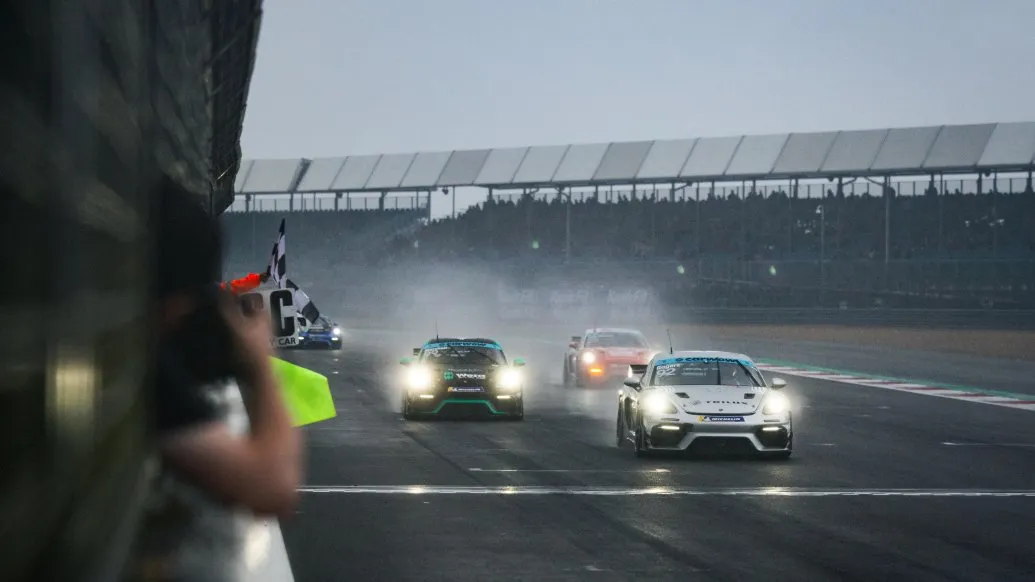
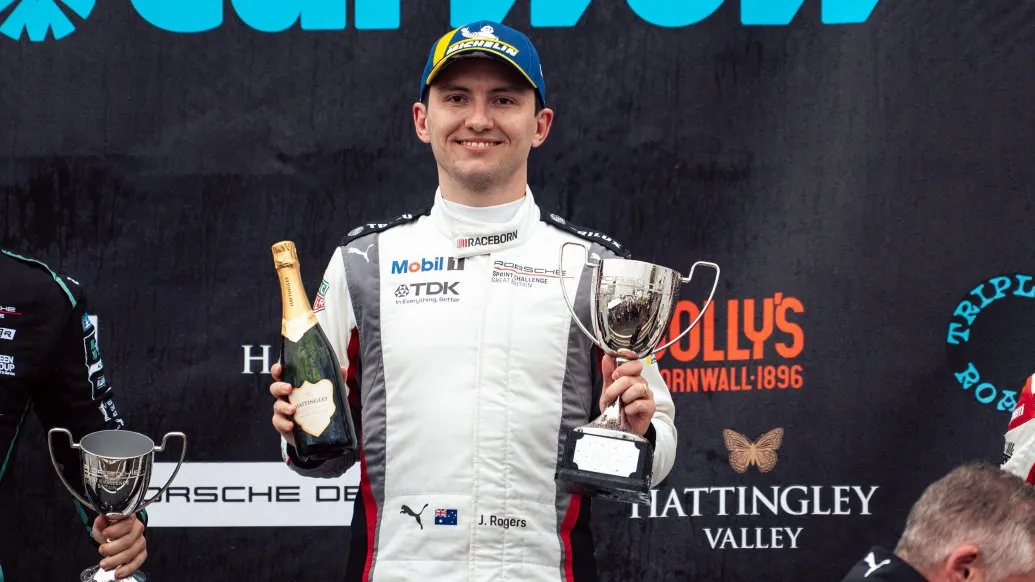
Rogers's 2026 season is the test case. He won all three races at Silverstone in the Porsche Carwow Sprint Challenge GB and, two weeks later, finished the season five points short of the title, according to Porsche. That is not a sim driver dabbling in real racing. That is a contender.
 View full photo
Their careers show the same road running in both directions. Tandy, a factory driver, used the virtual Le Mans to keep racing and picked up a traffic habit from a sim specialist. Rogers, a sim champion, used the Porsche Carwow Sprint Challenge GB to prove that the feel he built in iRacing works in a real Cayman. Porsche runs both worlds, from its Coanda Esports Racing team to its national one-make series, and this conversation reads like a case for keeping them connected.
Porsche is building a path for others to follow. Its Esports Supercup talent shoot-out assesses up to five competitors in Cologne, tests up to two on track, and gives the winner support for a Porsche one-make series in 2027. For the generation that learned racecraft on a wheel and pedals in a bedroom, the door into a real Cayman is open. Tandy's verdict is that the best of them will be ready for it.
Sources
This story is compiled from the published sources listed below.
- Sim vs real racing: what transfers from screen to track, Porsche Newsroom

Written by
Devin B.
Founder
Devin founded TORQFOLIO to cover the whole aftermarket scene, from hot rods and LS swaps to donks, drift and Baja. Based in Las Vegas and usually at a show or meet with a camera.
More from Devin B.TORQFOLIO Weekly
The best of the week in cars, builds & culture. Every Sunday.
Keep Reading
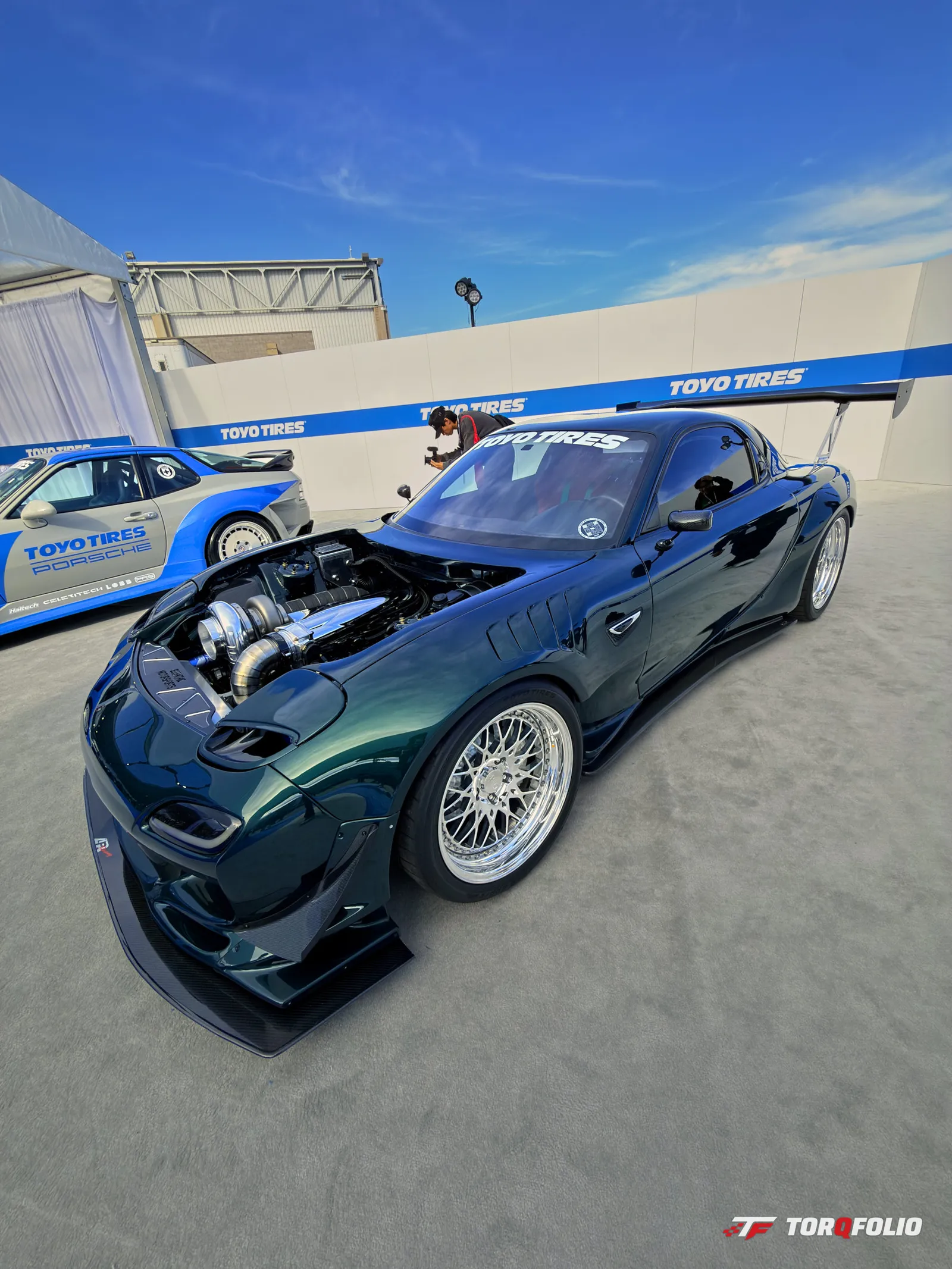
Toyo Treadpass 2026: A CLK GTR McLaren, a Type R Powered Murcielago and Eccentric's Widebody FD
Devin B.,
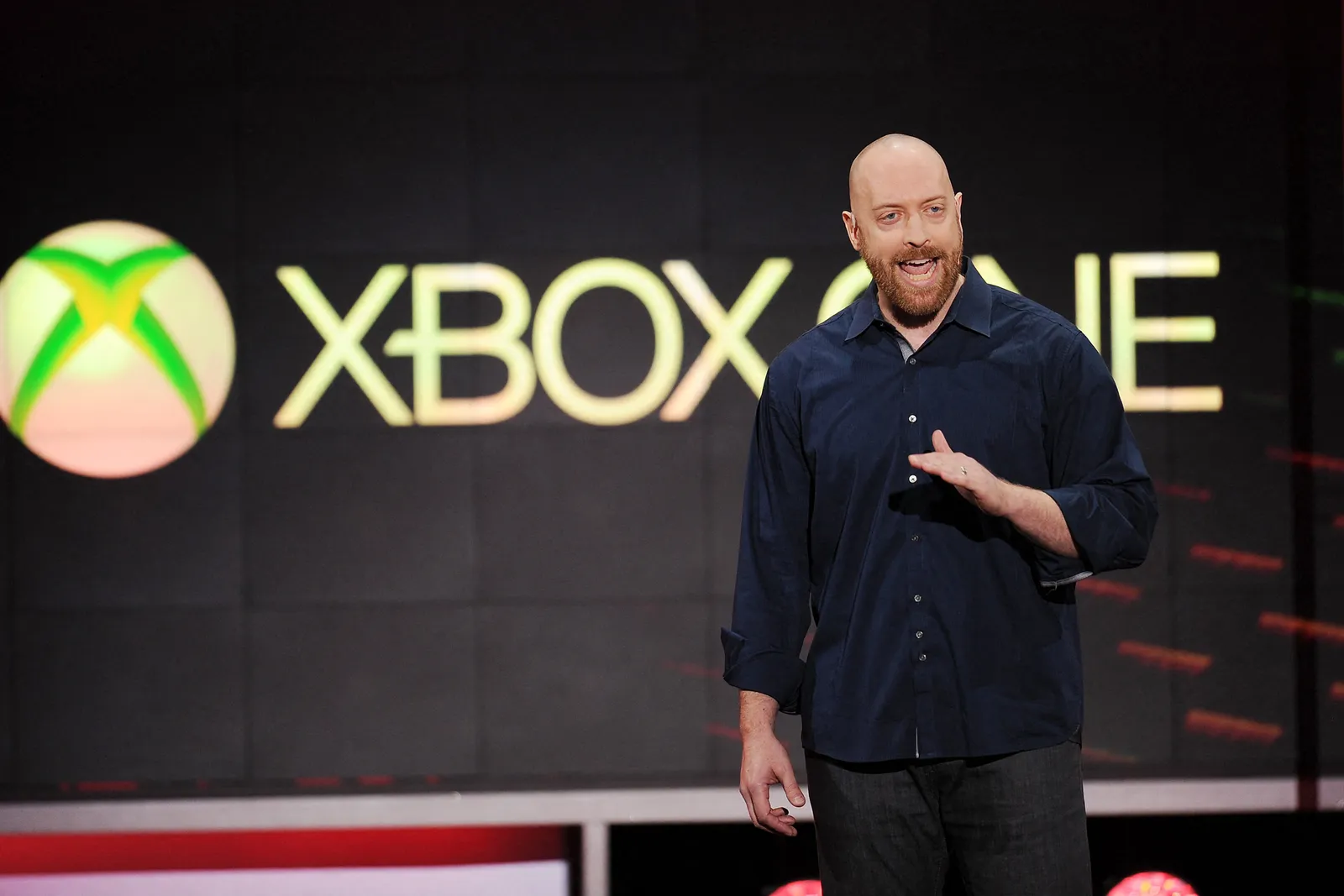
Turn 10 Folded Into Playground, and Now Dan Greenawalt Is Gone. The Forza Era That Raised a Generation of Gearheads Is Over
Devin B.,
Assetto Corsa EVO's 0.9 Left Critics Cold. The First Free Roam Drives Around the Nordschleife Changed the Mood
Devin B.,
Hurricane Warnings, Three Yellow 935s and 8,000 Fans: Luftgekühlt Comes Home to Porsche's American Base
Devin B.,
Conversation 0 comments
No comments yet. Start the conversation.