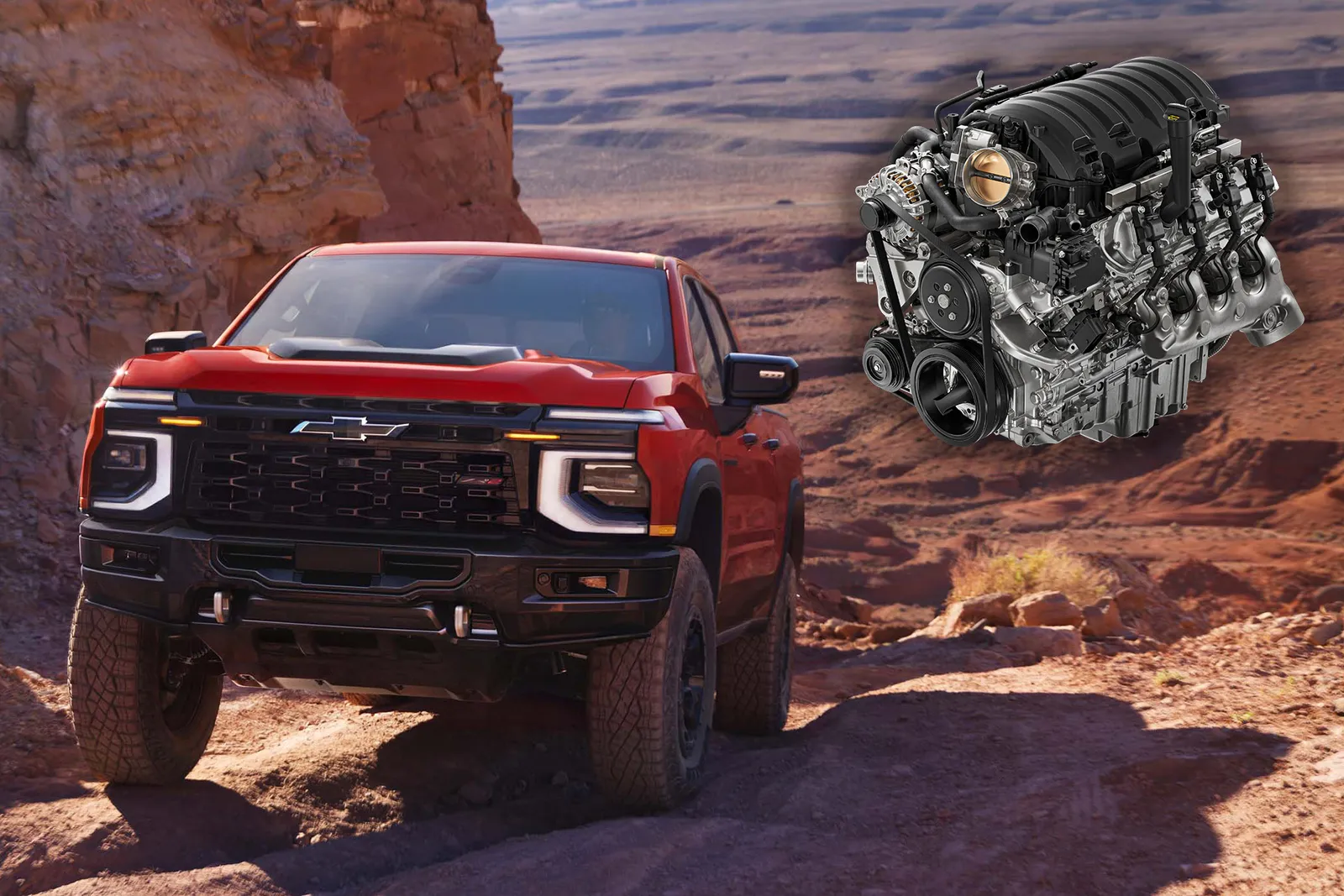
Chevrolet is stamping "400" on the front of a small-block again, as EngineLabs pointed out. The L78 6.6-liter V8 that powers the top 2027 Silverado 1500 and Sierra 1500 is 400 cubic inches, and the L76 5.7-liter beneath it is a 350. GM confirmed the two engines on Sept. 17, and they join the 6.7-liter LS6 in the 2027 Corvette as the first members of the sixth-generation Small Block family.
For anyone who swaps, builds or races GM V8s, this is the first truly new small-block architecture in years. Here is what GM, The Drive and EngineLabs have reported about what changed, and what did not.
What stayed the same
GM's release starts with the one dimension that ties these engines to more than 100 million small-blocks since 1955: cylinder bore centers spaced 4.40 inches apart. The layout is still cam-in-block with two valves per cylinder and pushrods, as EngineLabs notes.
Where the cubes came from
Both truck engines gain their displacement the same way. GM increased piston stroke by 6 mm, taking the 5.3 to 5.7 liters and the 6.2 to 6.6. GM also lists a higher compression ratio, larger throttle diameters and new intake manifolds with tuned runners to handle the extra airflow.
The Drive reports the L78's compression at 12.5:1, up from 11.5:1 on the 6.2 it replaces. It also notes that the L78 shares a lot with the Corvette's LS6 but uses a slightly shorter stroke and a wet-sump oil system. EngineLabs lists the LS6 at 6.7 liters, 409 cubic inches, with 13.0:1 compression, a 95 mm throttle body, a tunnel-ram-style intake and forged pistons and rods.
Port and direct injection together
The biggest systems change is fuel delivery. GM describes a dual-fuel system that combines direct injection and port fuel injection to widen the window where the engine runs at its best for power, efficiency and emissions. EngineLabs adds a practical benefit: port injection sprays fuel on the back of the intake valves, which helps keep carbon buildup down, a known weakness of direct-injection-only engines.
For tuners, two injection systems mean more to calibrate, but also more fuel capacity built in from the factory. How the aftermarket handles that will be one of the stories to watch as these engines reach junkyards in a few years.
Oil, coolant and no dipstick
GM reworked lubrication with a continuously variable oil pump, an on-engine oil cooler and revised oil feed locations for more consistent oil pressure. The Drive reports that the trucks drop the dipstick for an oil level sensor and digital readout, reportedly to make room for a new coolant switch. It also says the V8s use cylinder deactivation.
How they stack up
 View full photo
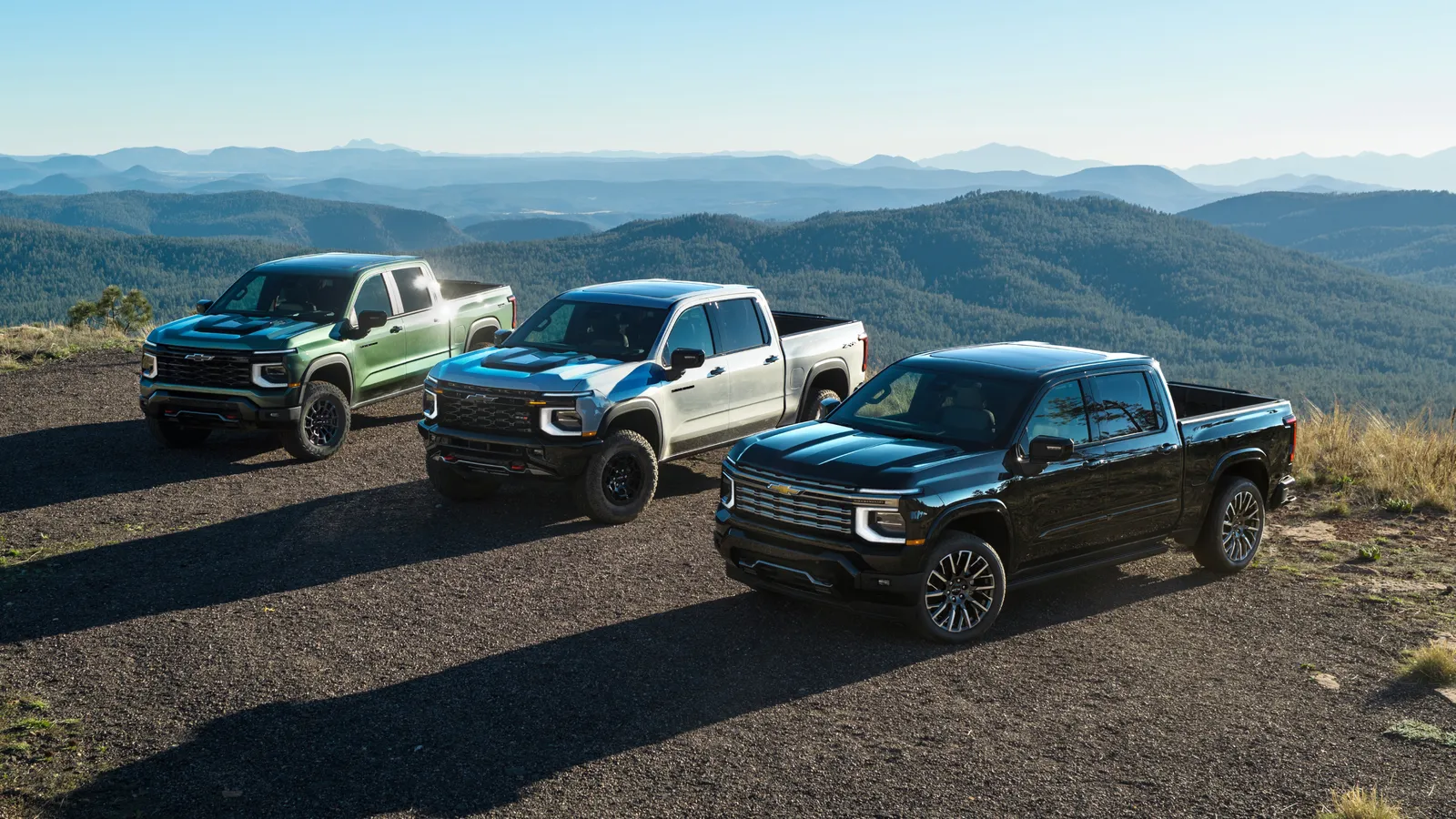
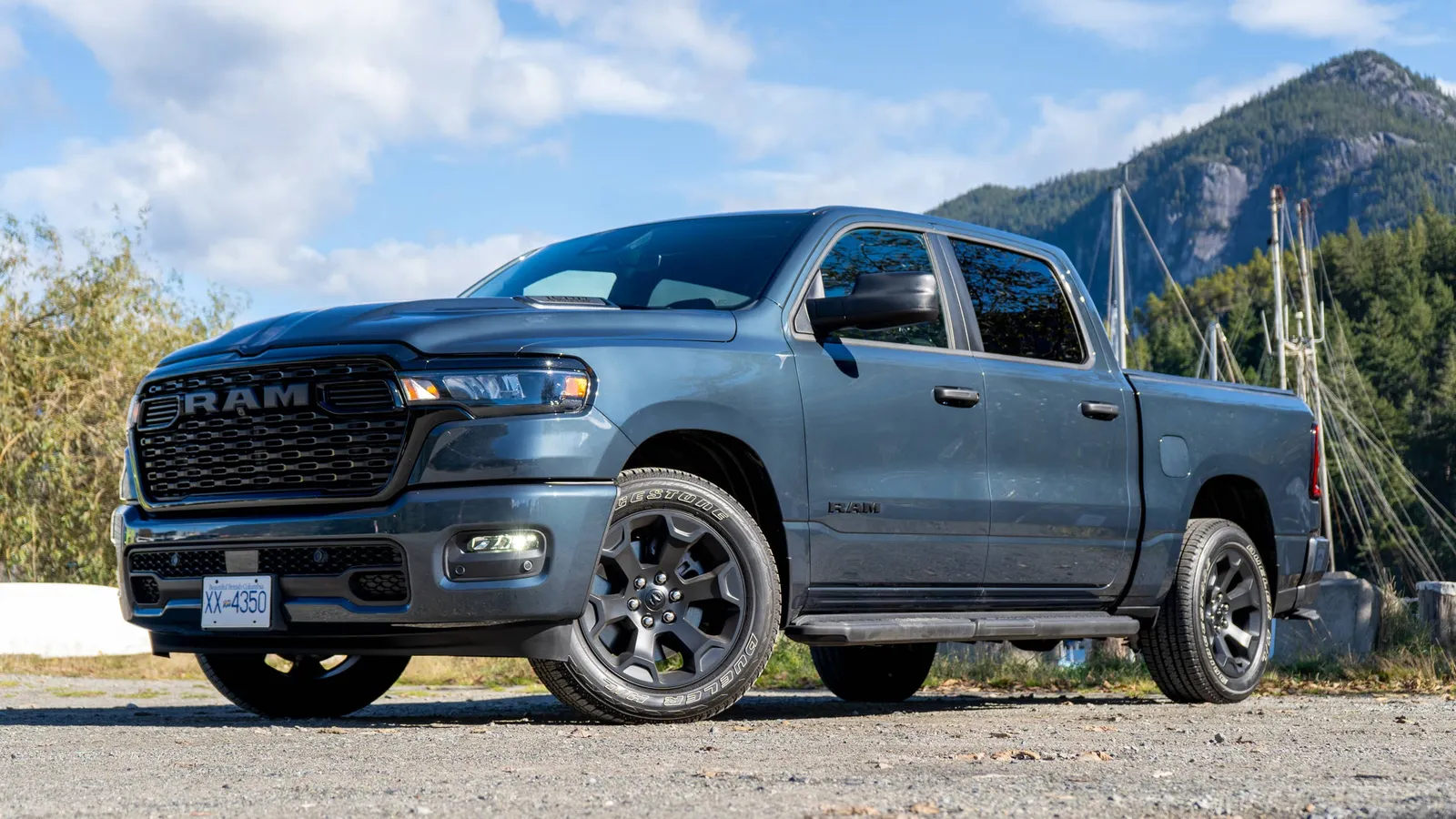
GM calls the L78 the most powerful naturally aspirated V8 in its class at 481 hp. The Drive's comparison puts the L76's 402 hp and 428 lb-ft ahead of Ford's 5.0 Coyote at 400 hp and 410 lb-ft, and Ram's 5.7 Hemi at 395 hp and 410 lb-ft. The twin-turbo Hurricane high-output six in the Ram 1500 still leads the half-ton class overall at 540 hp.
The Silverado 1500 with the L76 is rated to tow up to 13,700 pounds when properly equipped, which GM calls best in class. Every 2027 light-duty engine pairs with a 10-speed automatic.
The V8s are two of four engines in the new Silverado 1500 and Sierra 1500. The 2.7-liter TurboMax four-cylinder gains 40 hp and 25 lb-ft, to 350 hp and 455 lb-ft according to The Drive, with a new turbocharger, upgraded fuel injection and redesigned pistons. The Duramax 3.0-liter diesel six returns at 305 hp and 495 lb-ft. GM also offers a new 34-gallon fuel tank with the 5.7 and 6.6.
"These new V8 engines advance GM's legendary Small Block architecture with greater capability, more advanced technology and the strength of GM's manufacturing footprint behind them," said Tom Bishop, chief engineer for Small Block engines.
Where they are built
Initial production is at Flint Engine Operations, with Tonawanda Propulsion in New York and St. Catharines Propulsion in Ontario adding capacity. GM has previously announced $888 million at Tonawanda and C$691 million at St. Catharines for sixth-generation V8 production. GM says its teams expect to complete more than 1.5 million miles of on-road validation by the time the trucks reach dealers later this year.
What it means for swappers
The LS became the default swap engine because millions of them were built and they all shared a common foundation. Gen 6 starts the same way, in volume, in full-size trucks, and with the classic bore spacing intact. GM has not announced crate versions of the L76 or L78, and Chevrolet Performance continues to sell its LS and LT crate lineup, according to GM's release.
What is clear now is the direction. GM went back to displacement instead of turbos for its trucks. As EngineLabs put it, there is still no replacement for displacement, and in a few years the 350 and 400 will be showing up in pick-and-pull yards with a lot of potential still in them.
Sources
This story is compiled from the published sources listed below.

Written by
Devin B.
Founder
Devin founded TORQFOLIO to cover the whole aftermarket scene, from hot rods and LS swaps to donks, drift and Baja. Based in Las Vegas and usually at a show or meet with a camera.
More from Devin B.TORQFOLIO Weekly
The best of the week in cars, builds & culture. Every Sunday.
Keep Reading
SEMA 2026 From the Floor: A 1,300-HP Chevelle Champion, Desert-Ready Factory Rigs and the Builds Worth Finding
Devin B.,
SEMA 2026 Factory Builds: Jeep Ditches the Solid Axle, Ford Brings a 1,200-Plus-HP Bronco
Devin B.,
Hurricane or Hemi? Autoblog Drove Both Ram 1500s and Picked the V8 for Fun, the Six for Work
Devin B.,
SEMA 2026 Opens Tuesday in Las Vegas: Dates, Debuts and What to Watch
Devin B.,
Conversation 0 comments
No comments yet. Start the conversation.