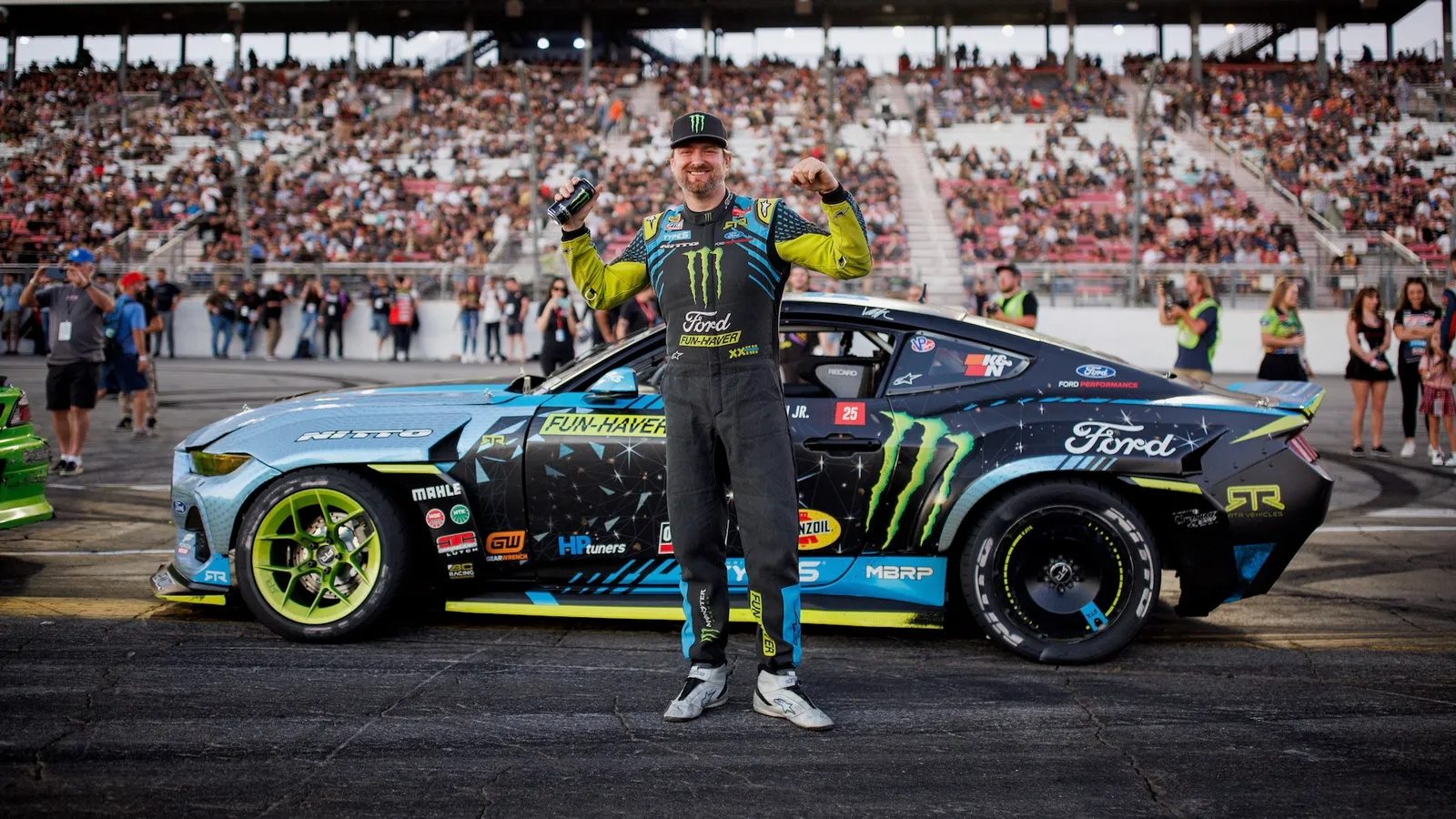
Ready To Rock: Vaughn Gittin Jr.'s RTR Gets Its Own 256-Page History, From Grassroots Drift to Ford Dealer Lots
Co-written with Mike Spinelli, shot by Larry Chen and others, with a foreword by T-Pain, the book tells how a drift team became a Ford-backed aftermarket brand.
Plenty of drift teams have come and gone since the sport landed in the U.S. Very few turned into a brand you can buy at a Ford dealership. RTR did, and now the story of how it happened is getting the hardcover treatment.
Ready To Rock, a 256-page history of RTR co-written by Vaughn Gittin Jr. and Mike Spinelli, is set to ship Nov. 2 from Carrara Media, The Drive reported on July 25. It covers the company from its founding in 2009 to today, with photos from Larry Chen, Matt Marcu and Tony Harmer, and a foreword by T-Pain, who is also an RTR customer.
From pro drifter to brand
 View full photo
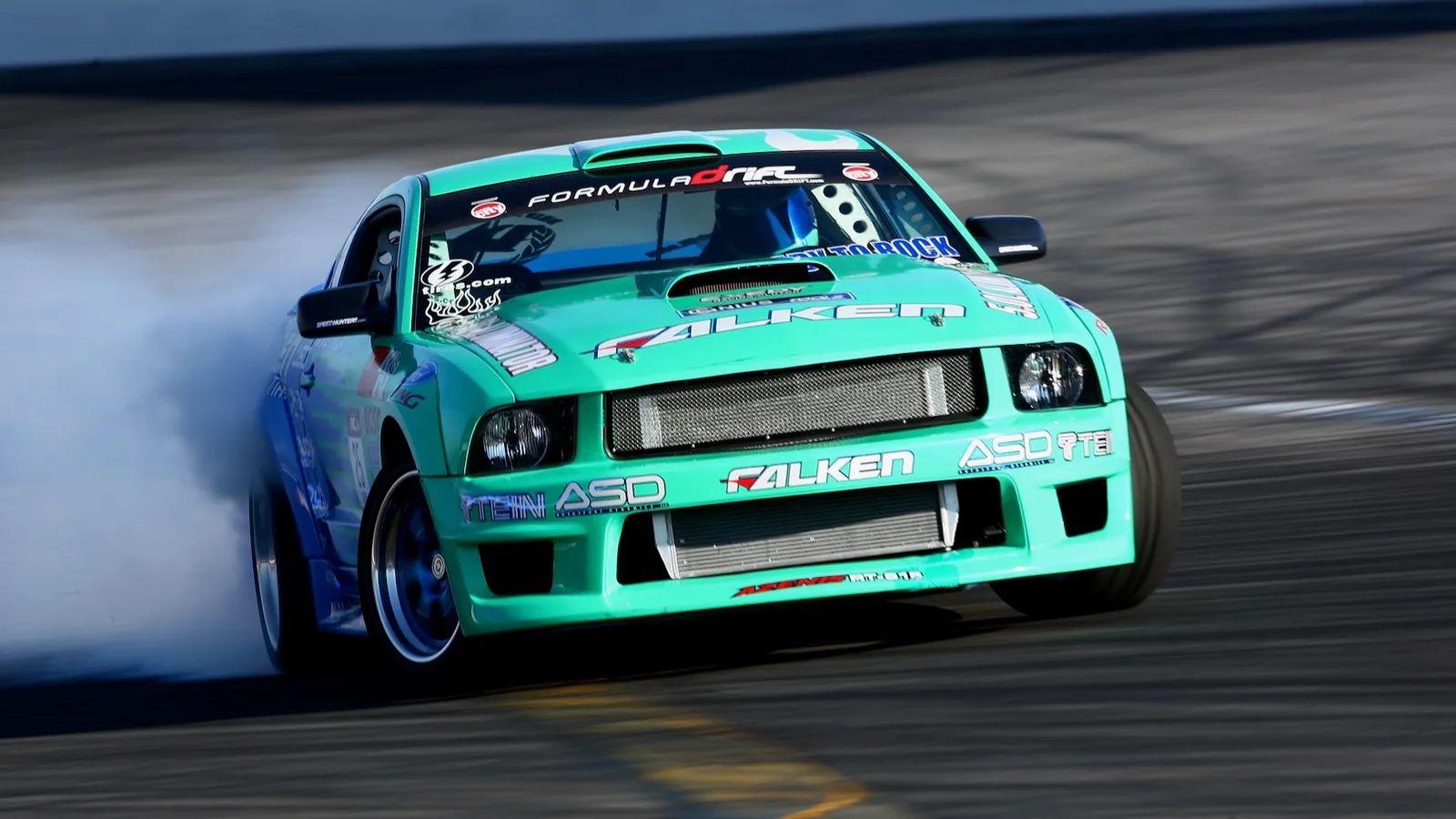
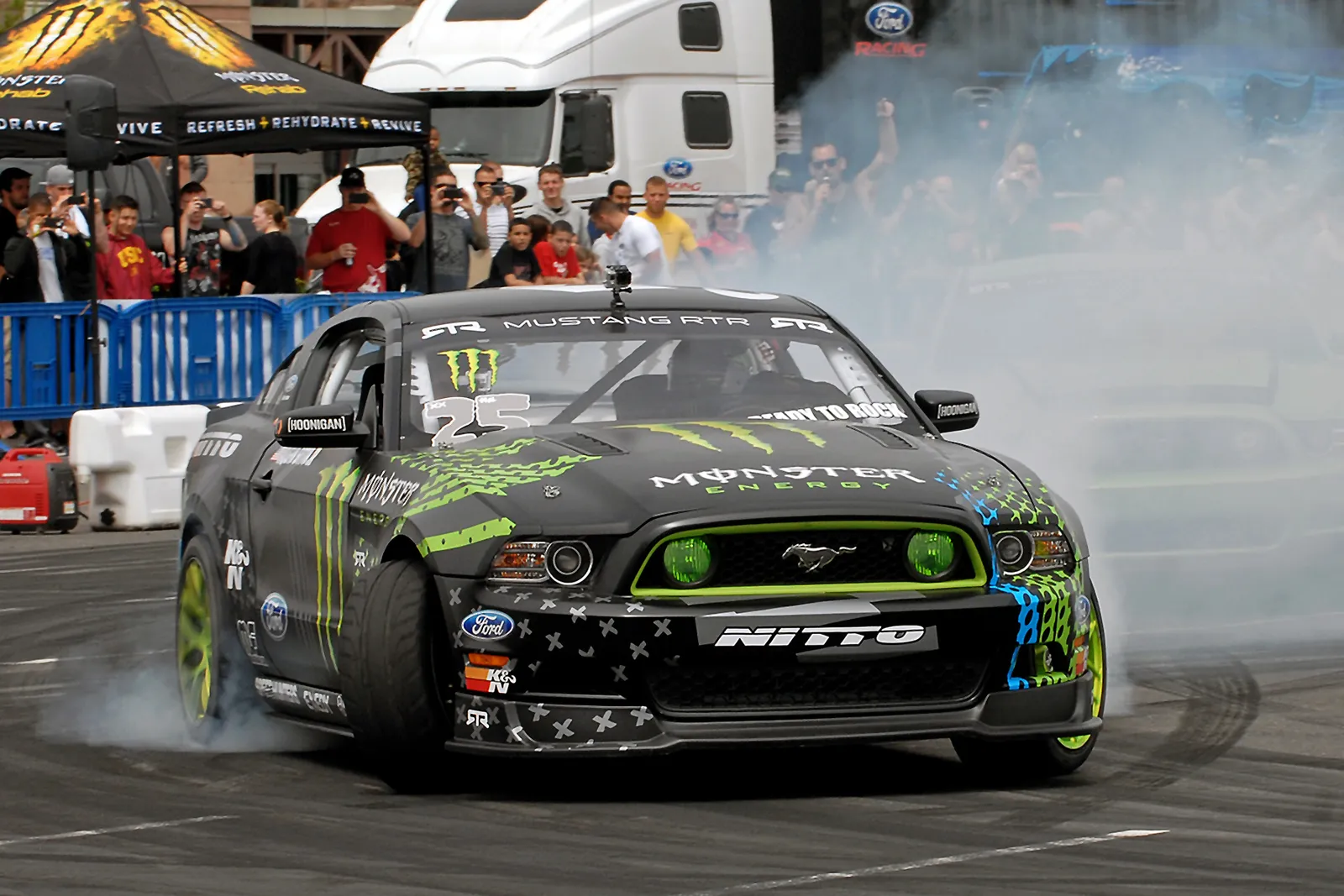
If you only know RTR from the badge on a Mustang, the backstory is worth knowing. Gittin started as a pro drifter in the early 2000s, when the sport was just getting off the ground in America. In 2005 he became the first American to win a D1 Grand Prix event, The Drive noted, a big deal at a time when Japan was the undisputed home of professional drifting. He went on to win the Formula Drift championship twice, in 2010 and 2020, and still competes in a Mustang.
RTR, short for "ready to rock," grew out of that racing program. The Drive described it as a two-pronged assault on car culture: racing on one side and tuning on the other. Over time the team started developing aftermarket parts for the Fords it raced, then complete builds, and eventually some of the most recognizable one-offs in the modern car world.
The builds
 View full photo
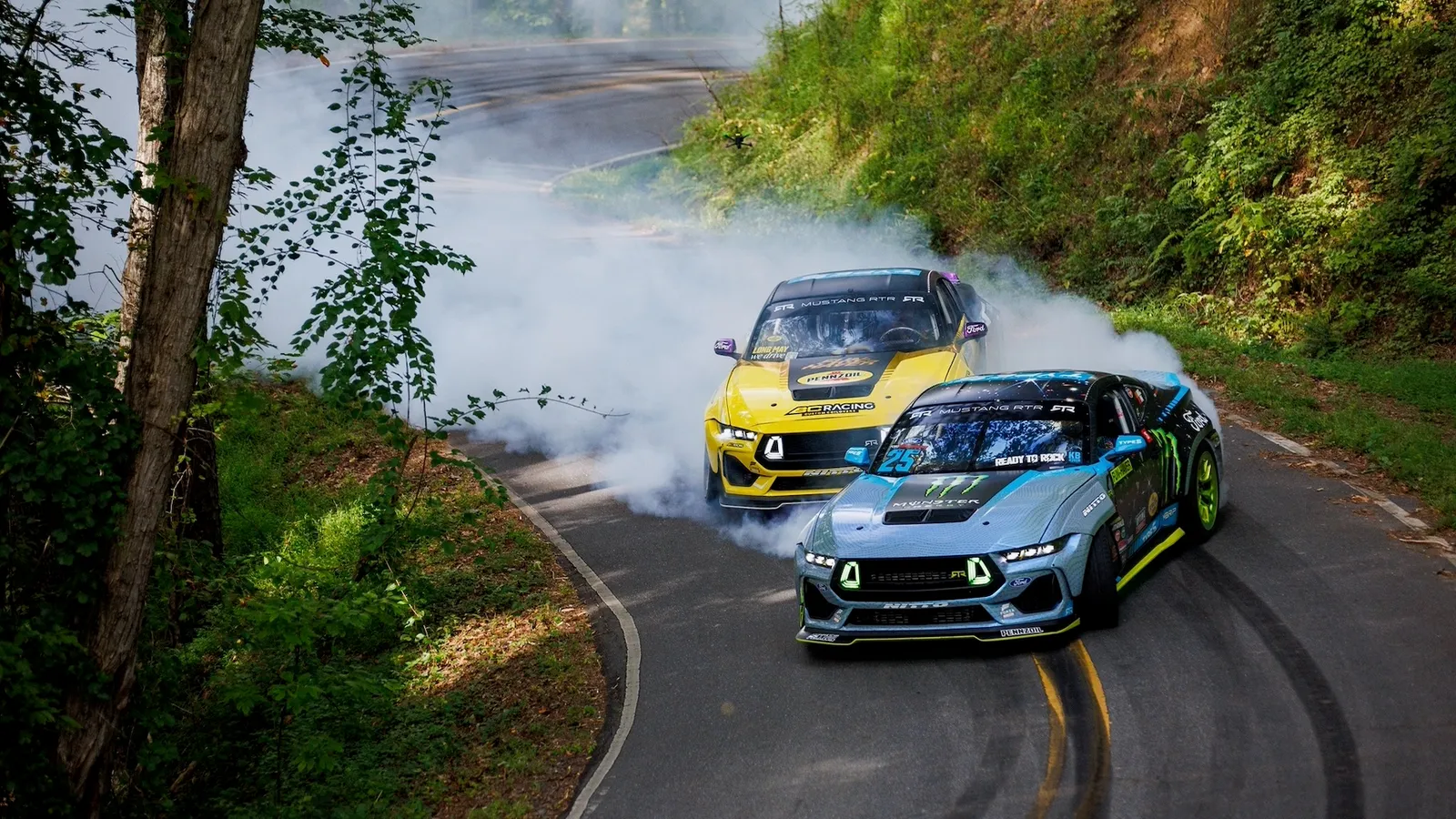
The Drive pointed to two builds that show how far RTR reached beyond drifting. One is Ken Block's Hoonicorn Mustang, the all-wheel-drive 1965 Mustang that became one of the most famous Gymkhana cars ever. The other is the seven-motor Mustang Mach-E 1400, a reminder that RTR was willing to play with electric power long before most of the aftermarket took it seriously.
Those projects matter because they show the formula that made RTR work. Gittin's crew took the energy of grassroots drifting, the smoke, the angle, the show, and applied it to cars that regular people recognized. A Mustang going sideways is the easiest sell in American car culture. RTR made a business out of it.
It is worth remembering how unlikely that path looked at the start. When Gittin won that D1 round in 2005, drifting in America was still mostly a niche for import fans, and a lot of people in the domestic performance world did not take it seriously. Building a career around a Ford in a sport that was born on Japanese mountain roads was a bet that the American scene would grow up and want its own heroes. It did, and the timeline The Drive laid out, from a 2005 D1 win to two Formula Drift titles ten years apart to Ford selling RTR cars at its dealers, is the proof.
Ford made it official
 View full photo
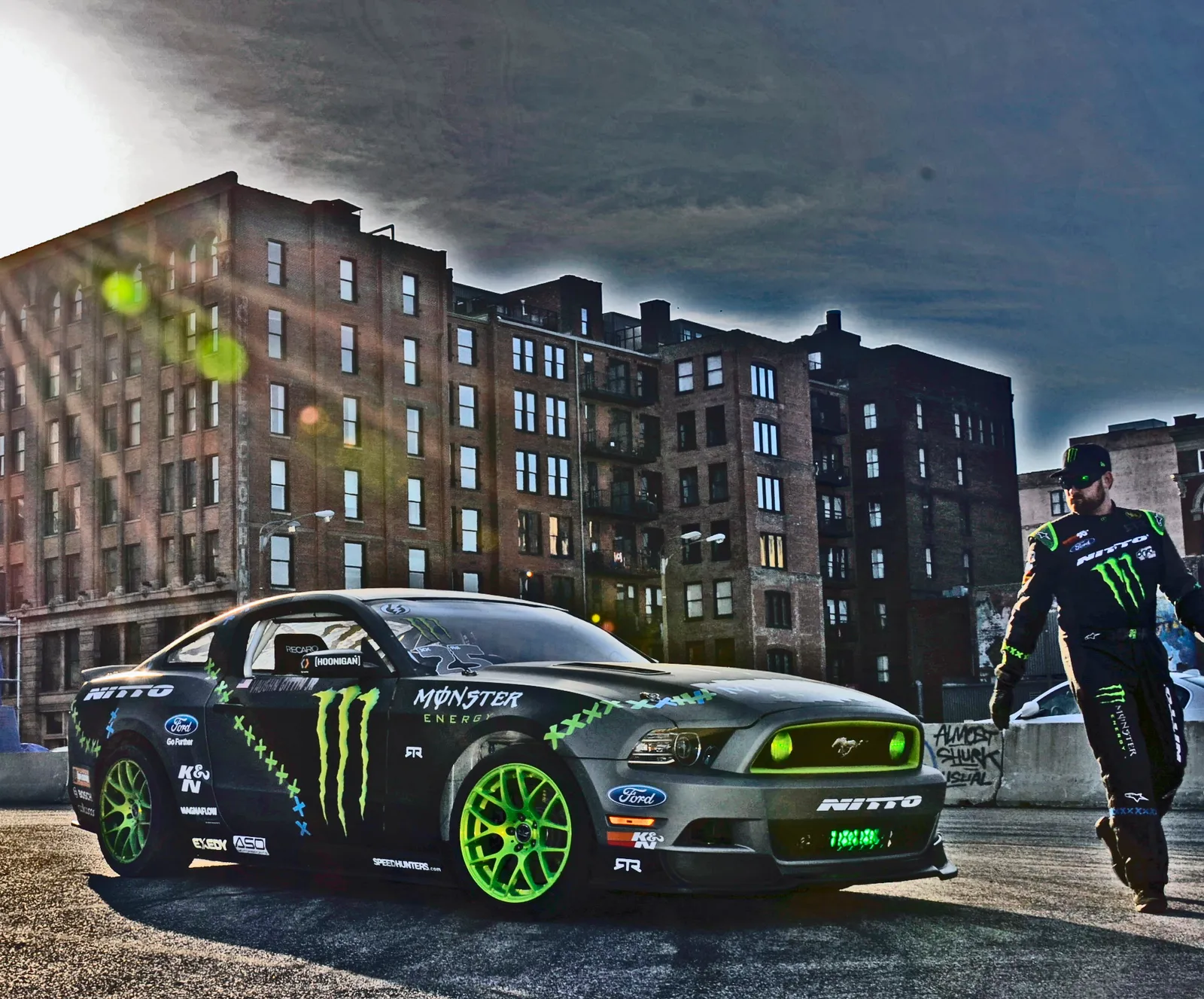
The book arrives as RTR's relationship with Ford is bigger than ever. The Drive noted that Ford now sells RTR-branded versions of the Mustang and Bronco through its dealerships. That is a long way from a drift team selling parts online. It puts RTR in a small club of tuners whose names show up on window stickers.
Gittin still races a Mustang in Formula Drift, and RTR still competes in off-road events, The Drive noted. For a sport that spent its early American years in parking lots and on borrowed track time, having an automaker build cars around it is a real milestone, and Gittin and RTR are a big part of why it happened.
Why a book matters
 View full photo
Car culture does not always do a good job recording its own history. A lot of the early American drift scene lives in old forum posts, magazine back issues and DVDs that nobody can play anymore. Carrara has made a business of publishing books about modern car culture, and this one, with photos from some of the best shooters in the sport, is the kind of record that will matter more in 20 years than it does today.
Pairing photos from Chen, Marcu and Harmer with Gittin's own telling, and Spinelli's writing, should make for something more than a brand brochure. Spinelli is a familiar name to longtime car media readers; The Drive called him a familiar name around its pages.
Pre-orders are open from Carrara in a $54.99 Standard Edition and a $124.99 Limited Edition, according to The Drive. The Limited is signed by Gittin and capped at 1,000 copies. For anyone whose first idea of what a Mustang could be came from watching one hang off a wall at Long Beach, it is probably worth the shelf space.
There is also a lesson in it for the drivers coming up now. Gittin's story is not just about being fast. It is about turning a driving style into a look, a look into parts, and parts into a brand people want to put on their own cars. That is the blueprint a lot of today's pro drifters and content creators are chasing, whether they know it or not. A book that lays out how the first American to really pull it off actually did it, in his own words, could end up as required reading for that crowd.
Sources
This story is compiled from the published sources listed below.

Written by
Devin B.
Founder
Devin founded TORQFOLIO to cover the whole aftermarket scene, from hot rods and LS swaps to donks, drift and Baja. Based in Las Vegas and usually at a show or meet with a camera.
More from Devin B.TORQFOLIO Weekly
The best of the week in cars, builds & culture. Every Sunday.
Keep Reading
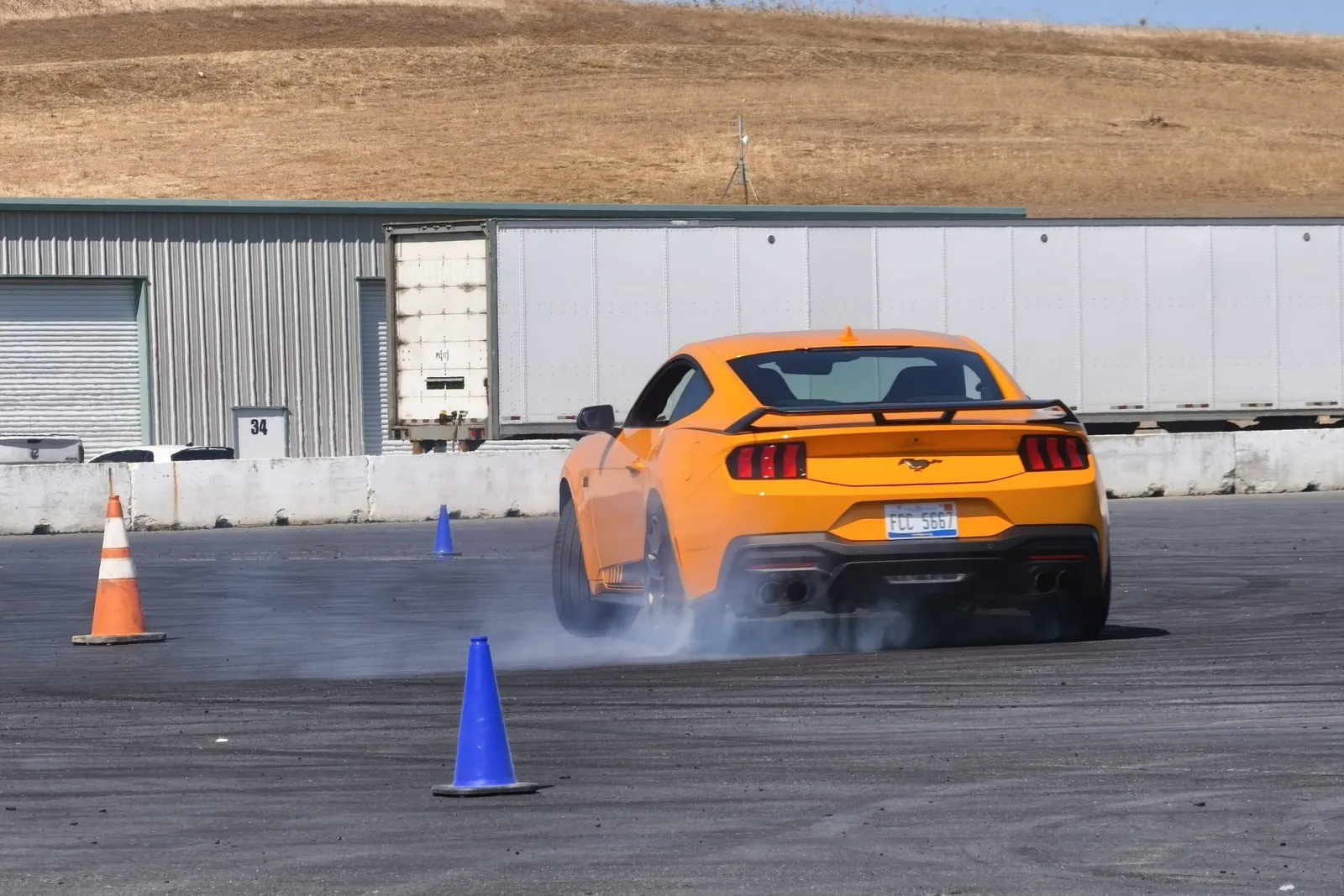
The Factory Mustang RTR Is a 315-HP Drift Trainer, and the Testers Came Back Grinning
Devin B.,
American Truck Simulator Let Its Truckers Climb Down From the Cab. Next Up: a 1970 Charger 500
Devin B.,
Heatwarped Is an Indie Love Letter to NFS Underground, Right Down to the Motion Blur
Devin B.,
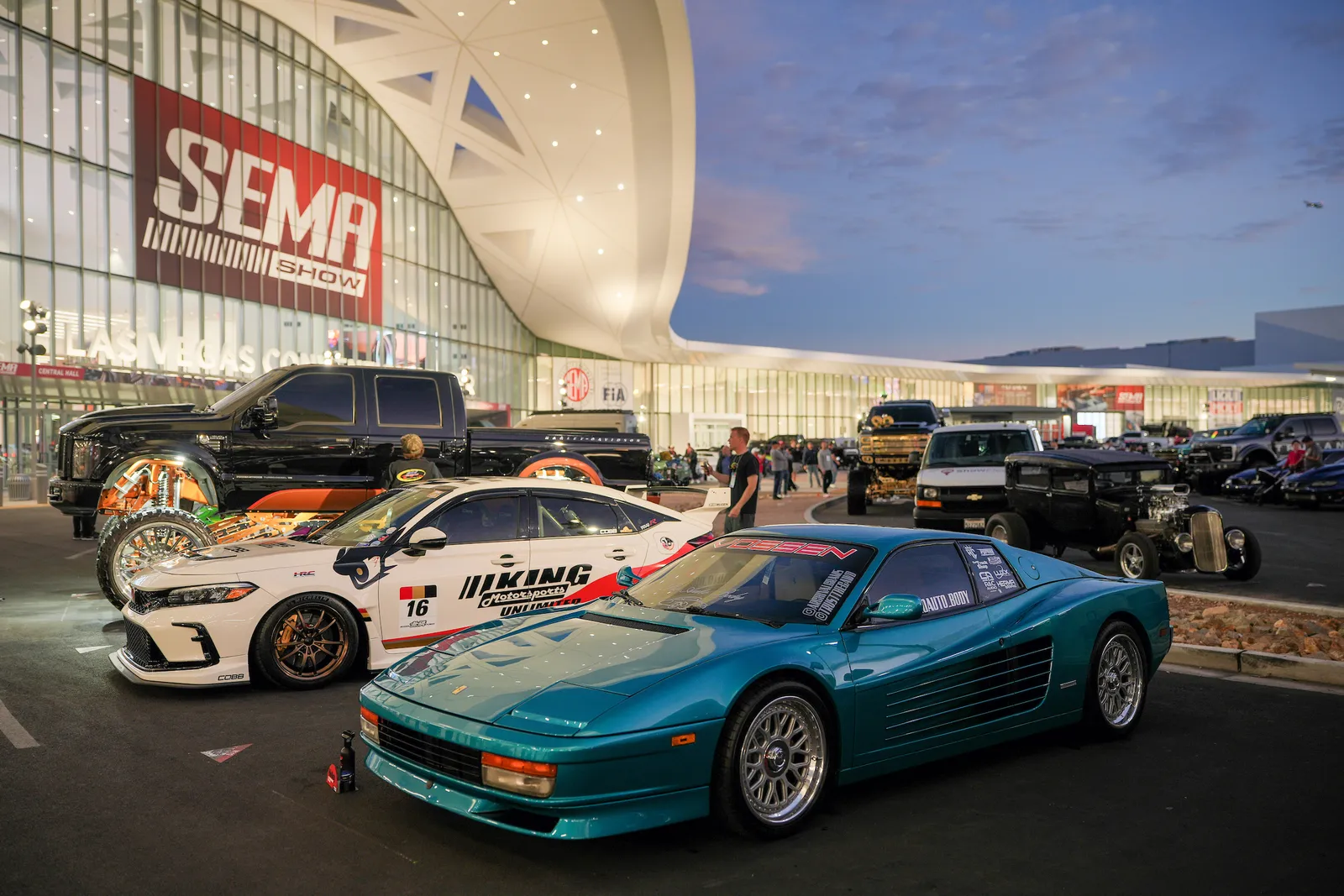
SEMA 2026 From the Floor: A 1,300-HP Chevelle Champion, Desert-Ready Factory Rigs and the Builds Worth Finding
Devin B.,
Conversation 0 comments
No comments yet. Start the conversation.