Pardoned: Who the Nine Diesel Tuners Are, and What Their Clemency Means for the Delete Scene
President Trump wiped out Clean Air Act convictions for shop owners and parts sellers who deleted or sold defeat devices, from a nine-truck Alaska shop to a company that sold 250,000 products.
For most of the last decade, the scariest thing in the diesel truck world was not a blown head gasket. It was a federal investigation. The EPA spent years going after shops and parts sellers that deleted emissions equipment, and some of those cases ended with prison time and seven-figure penalties. On July 3, the eve of Independence Day, President Trump erased nine of those convictions in one stroke.
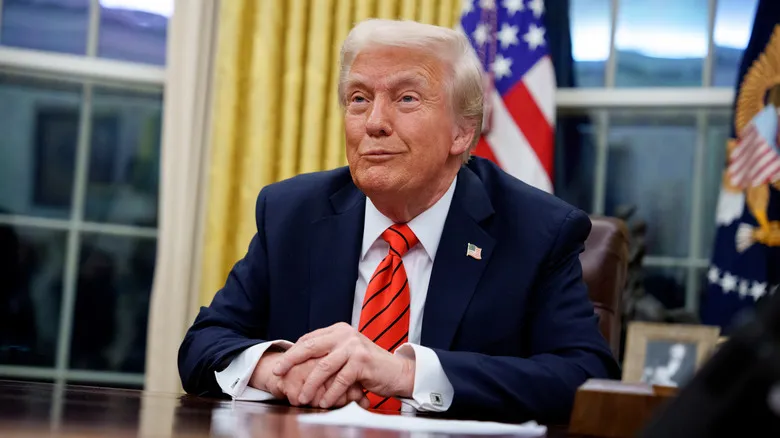
The Drive and Jalopnik both reported the pardons on July 6 and 7, with Jalopnik citing The Washington Post. Trump announced them on Truth Social, writing that he had pardoned "six people who were persecuted by the Biden Administration" for "fixing their car." The actual count was nine, Jalopnik noted. At an Oval Office news conference, The Drive reported, Trump said the cases came to his attention "because [he] noticed they were arresting people for fixing their car," and added, "We rule by common sense."
Who got pardoned
 View full photo
These were not weekend wrenchers. Jalopnik went through the list, and most were professionals who either deleted trucks for customers or sold the hardware and tunes to do it, some on an enormous scale. As Jalopnik described them:
They join Troy Lake, owner of Elite Diesel Service in Wyoming, whom Trump pardoned earlier, The Drive reported. Jalopnik added that the pardons do not return fines already paid or prison time already served.
What a delete actually is
 View full photo
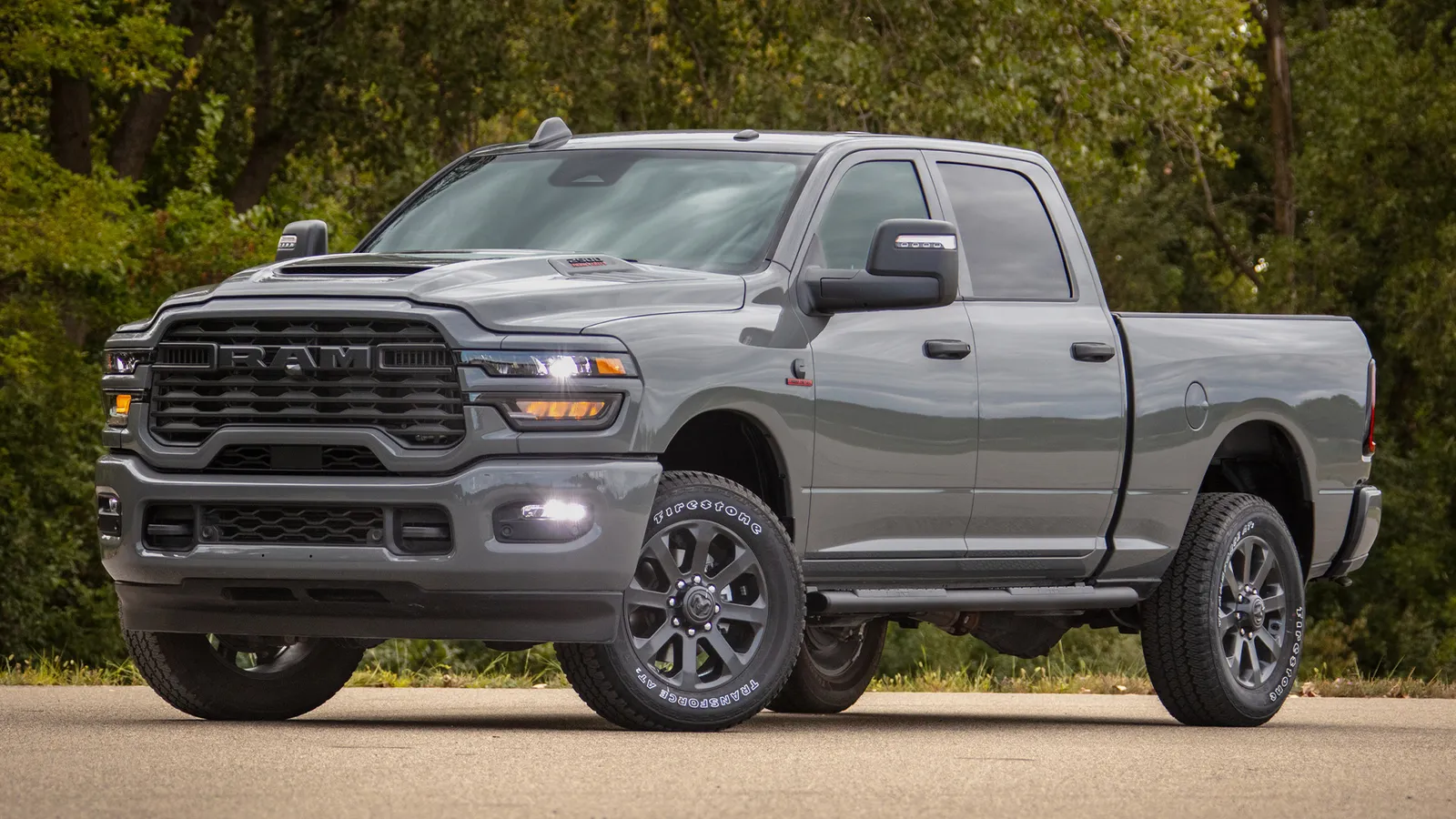
If you have never owned a modern diesel, here is the short version. Since the late 2000s, diesel pickups have used a diesel particulate filter to trap soot and an exhaust gas recirculation system to cut nitrogen oxides. The Drive explained that DPF and EGR systems are frequently blamed for expensive repairs and downtime, especially on work trucks. A delete kit pulls those parts and swaps in straight pipes, while a tune rewrites the engine computer so the truck runs without them. Under the Clean Air Act, the hardware and software that make that possible are called defeat devices.
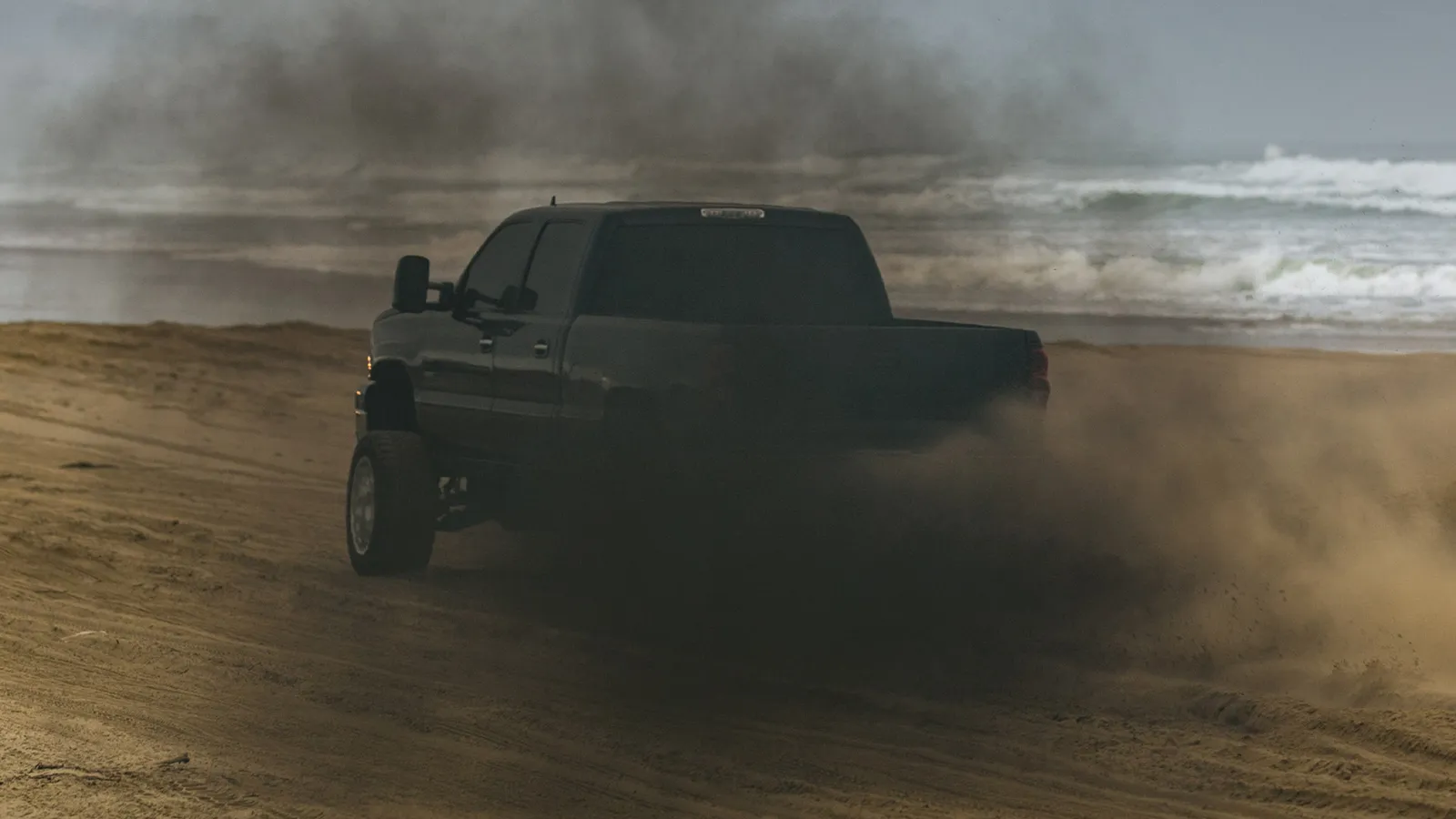
For a lot of owners, deletes were about reliability and fuel economy. For the performance side of the scene, they were also the first step to big horsepower and the black smoke that became a whole aesthetic, for better or worse. That split is why these pardons land differently depending on who you ask.
A full reversal in Washington
 View full photo
The pardons are part of a much bigger shift. The Drive reported that EPA administrator Lee Zeldin has emphasized deregulation, including killing auto start-stop and telling truck makers to stop forcing immediate power restrictions when vehicles run low on diesel exhaust fluid. Jalopnik connected the pardons to a memorandum the week before that many called a right to repair win, but which, the site argued, mainly seeks to weaken California's process for certifying emissions-compliant aftermarket parts.
There is still some mixed messaging. The Drive pointed to the Department of Justice pursuing diesel truck owners' data in one high-profile case. And Jalopnik noted that most of these investigations and convictions happened at least partly during Trump's own terms, not exclusively under Biden as his post claimed.
What changes for truck owners
 View full photo
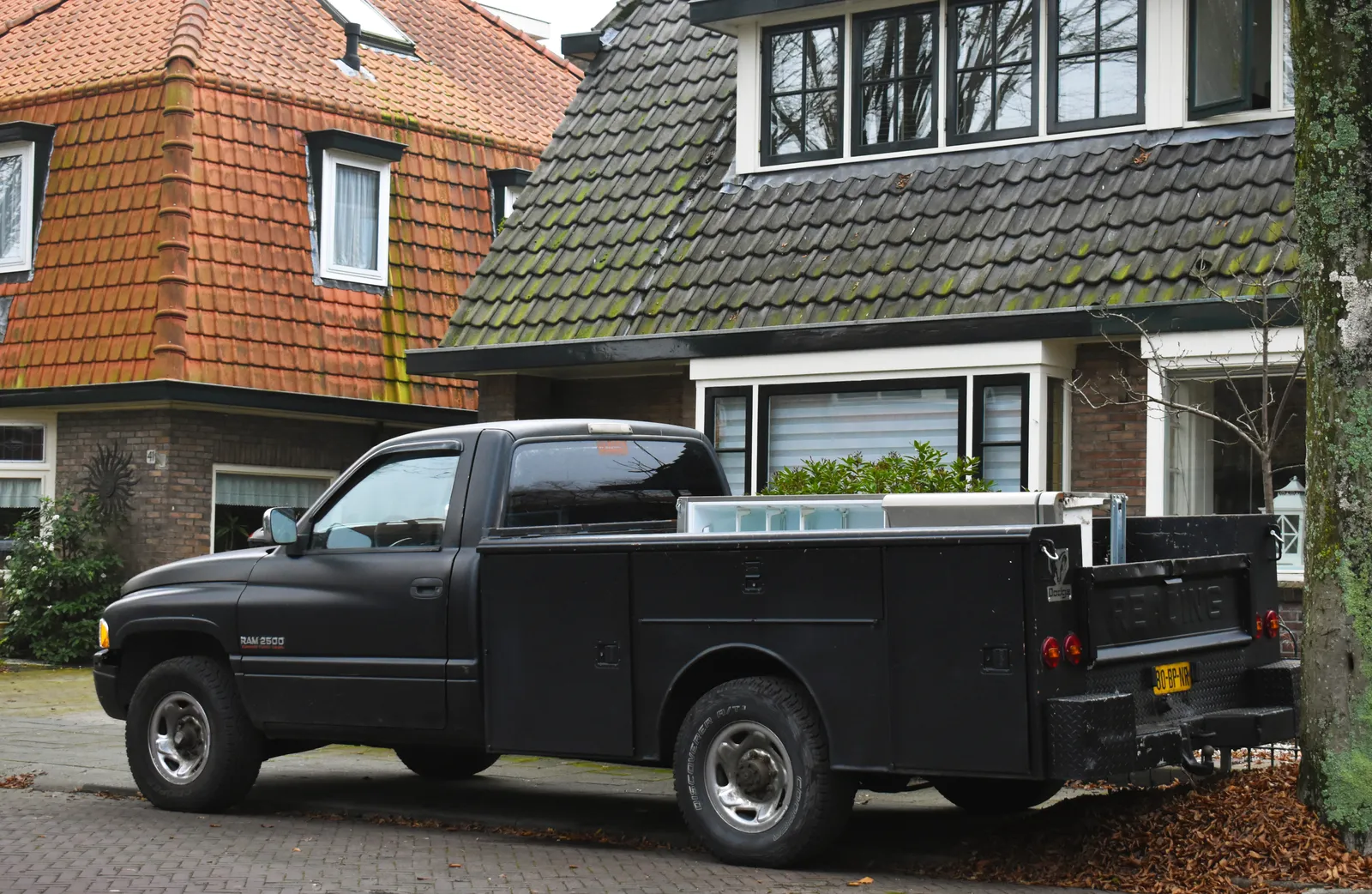
Here is the part people in the scene should read carefully. A pardon wipes out a federal conviction for the people named. It does not repeal the Clean Air Act, and it does not change the federal rules on tampering. Deleting a road-registered truck is still a violation on paper, state inspection programs still exist, and California still has its own enforcement. The Drive summed up the federal mood as not particularly concerned with enforcing the Clean Air Act on diesel vehicles, but a policy mood is not a law, and moods change with administrations.
For shops, the message is louder. The government has spent years treating delete work as a business-ending risk. The pardons tell shop owners that, for now, Washington does not see it that way. That will encourage some to get back into it. The smart ones will remember that the cases being pardoned took years to build and that a future administration could start building new ones.
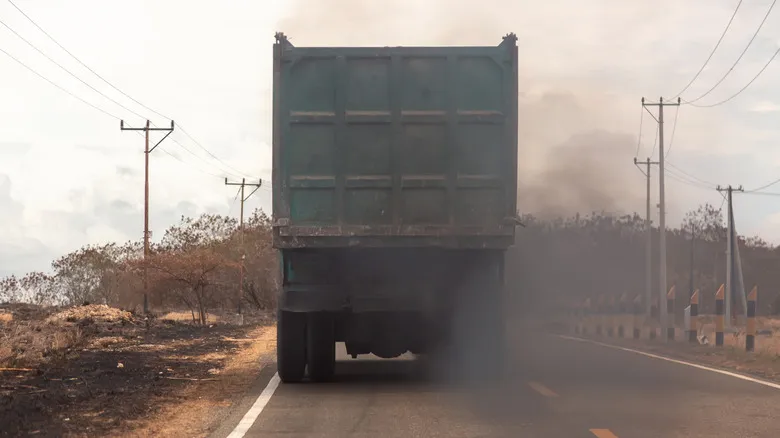
Jalopnik did not hide its view that the pardons are bad for air quality, and the health argument against deleted trucks has not gone away. Where you land on that probably depends on whether you have ever owned a DPF-equipped truck out of warranty. But no matter your view on smoke, this is the biggest policy swing the diesel aftermarket has seen in years, and the people at the center of it are now free and clear.
Sources
This story is compiled from the published sources listed below.

Written by
Devin B.
Founder
Devin founded TORQFOLIO to cover the whole aftermarket scene, from hot rods and LS swaps to donks, drift and Baja. Based in Las Vegas and usually at a show or meet with a camera.
More from Devin B.TORQFOLIO Weekly
The best of the week in cars, builds & culture. Every Sunday.
Keep Reading
Edge's CTS4 Is the First All-New Insight Hardware Since 2020, With a Bigger, Faster Screen
Devin B.,
Atturo's Trail Blade AT2 Gets a Snowflake, 29 Sizes and a 55,000-Mile Warranty
Devin B.,
37s on a Raptor, 35s on a Cummins, $127 Budget Tires on a Power Wagon: Four All-Terrain Reviews From the Fall
Devin B.,
Toyota Lifted Its Whole Truck Lineup and Put It on Tracks. The Snowhunters Are a Preview of Where Factory Builds Are Going
Devin B.,
Conversation 0 comments
No comments yet. Start the conversation.