More Lift, Less Power: Mopar Connection's Rocker Swap on a 535 Wedge Charger Lost 11.6 HP
Swapping 1.5:1 COMP rockers for 1.6:1 PRW shaft rockers on Brazen, the magazine's road-tripped 1969 Charger, should have added lift and power. On the dyno it did the opposite.
Bolt-on rocker ratio upgrades are one of the oldest promises in the catalog: more valve lift from the cam you already have, no teardown required. Mopar Connection Magazine tested that promise on Brazen, its 1969 Dodge Charger, and published the dyno sheets on Oct. 20. The higher ratio lost power.
TORQFOLIO did not run this test. Here is what technical contributor Chris Holley reported, and why it matters to anyone building a big-block street car that actually gets driven.
The car and the engine
 View full photo
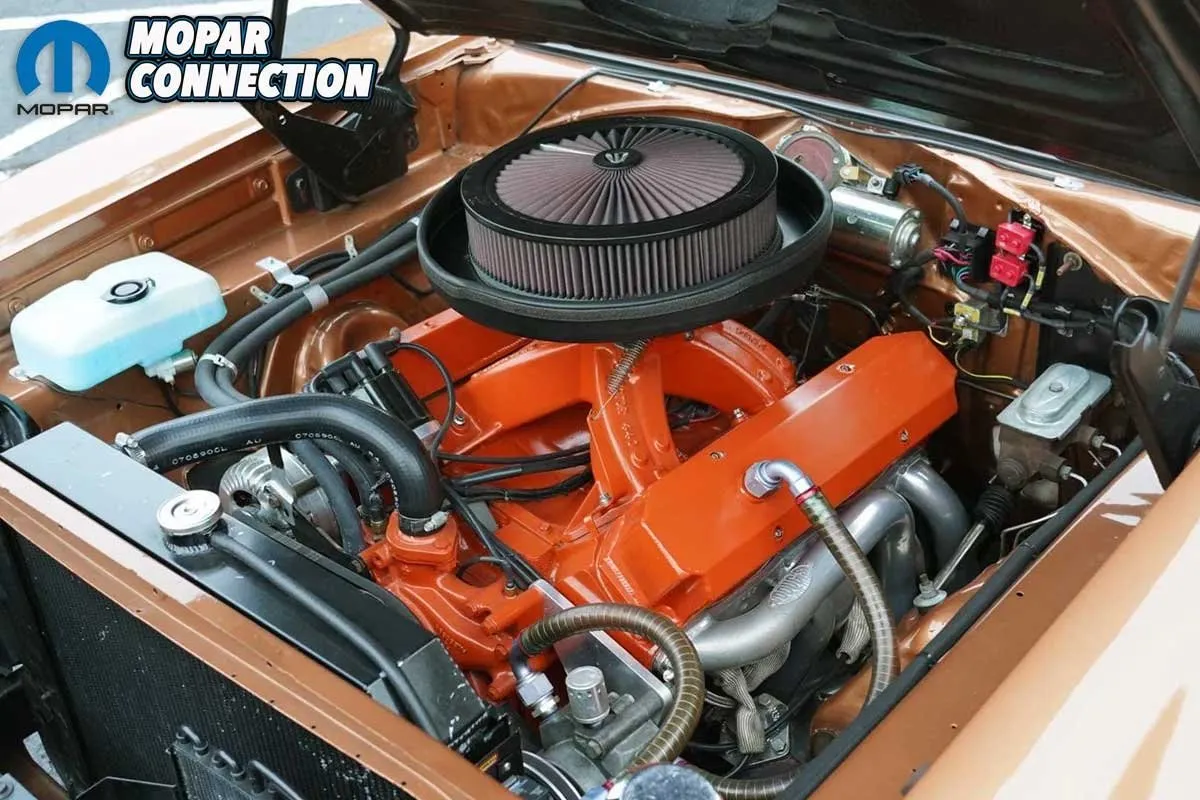
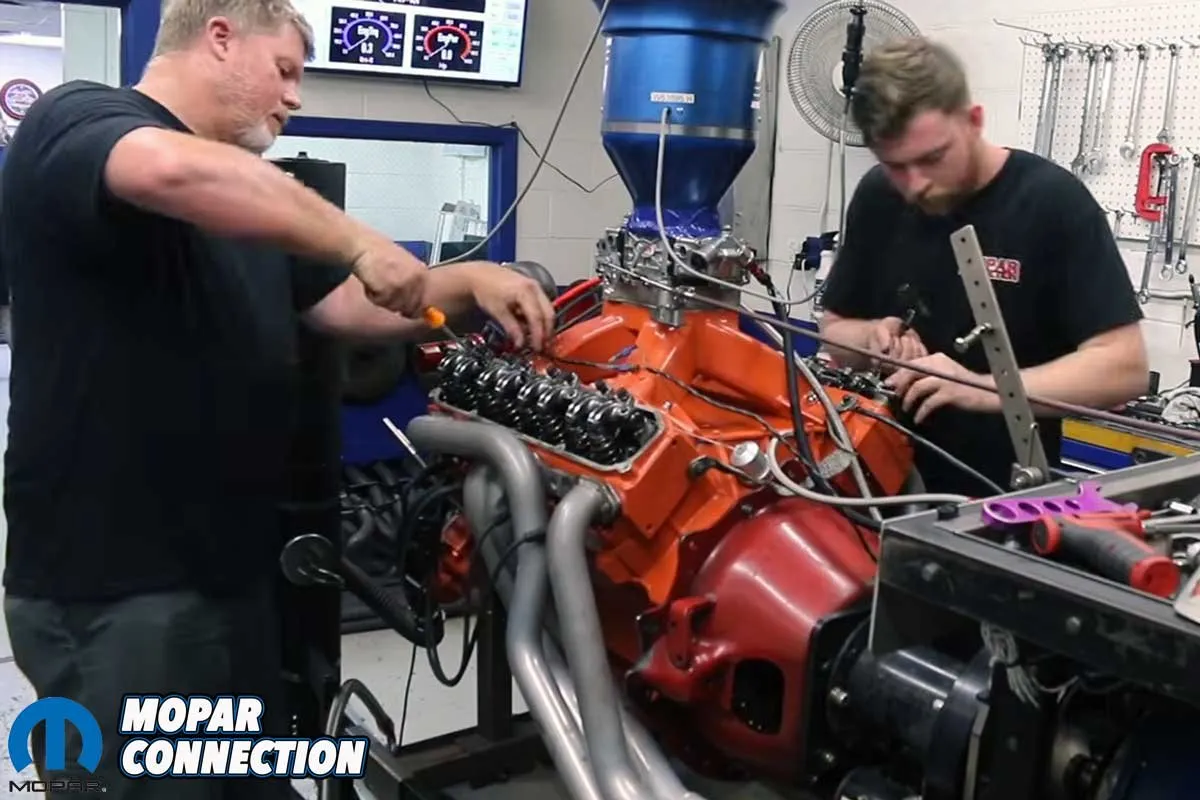
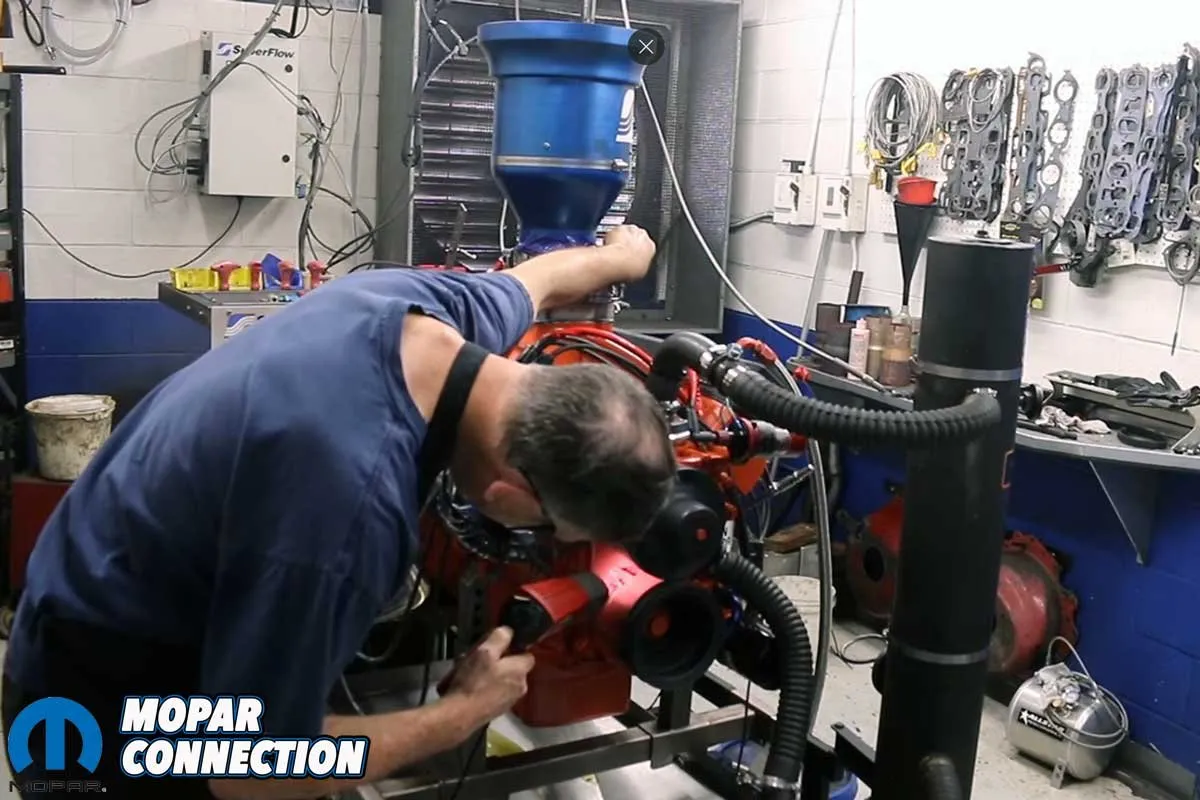
Brazen is not a dyno queen. Holley's photo captions describe an engine that has done Power Tour and the Tail of the Dragon, the kind of mileage that makes it a fair stand-in for a restomod or pro-touring Mopar. The engine is a 535-cubic-inch stroker wedge that started life as a motorhome 440 RB block, with an Eagle 4.500-inch crank, 7.100-inch rods and MAHLE Power Pak pistons. When it was first installed, it made 624 hp at 5,300 rpm and 700 lb-ft at 3,900 rpm.
It has been updated since then. The current top end uses Edelbrock RPM Performer heads that Hughes Engines CNC-ported for about 53 cfm more on the intake side and 21 cfm on the exhaust, FAST EZ-EFI 2.0 fuel injection, and a reworked Victor 440 single-plane intake. Holley also mentions a broken valve spring that caused limited valvetrain damage and prompted a valvetrain refresh.
That EFI change is worth a note for restomod builders. Holley's captions say the FAST EZ-EFI 2.0 system improved starting and drivability, and the engine also runs a GZ Motorsports vacuum pump. The Victor 440 intake was reworked by Chuck Lagaisse. In other words, this is a carefully developed street combination, not a mismatched parts pile, which makes the result more interesting.
Why rocker ratio is tempting
The math is simple, which is why the upgrade is so popular. The rocker multiplies whatever the cam lobe gives it, so the same lobe that produces a given lift at 1.5:1 produces about 6.7 percent more at 1.6:1. On a shaft-rocker big-block, the swap is a top-end job that does not touch the cam, heads or intake. If the heads keep flowing as the valve opens further, more lift should mean more air and more power. That is the theory Mopar Connection set out to check.
The test
 View full photo
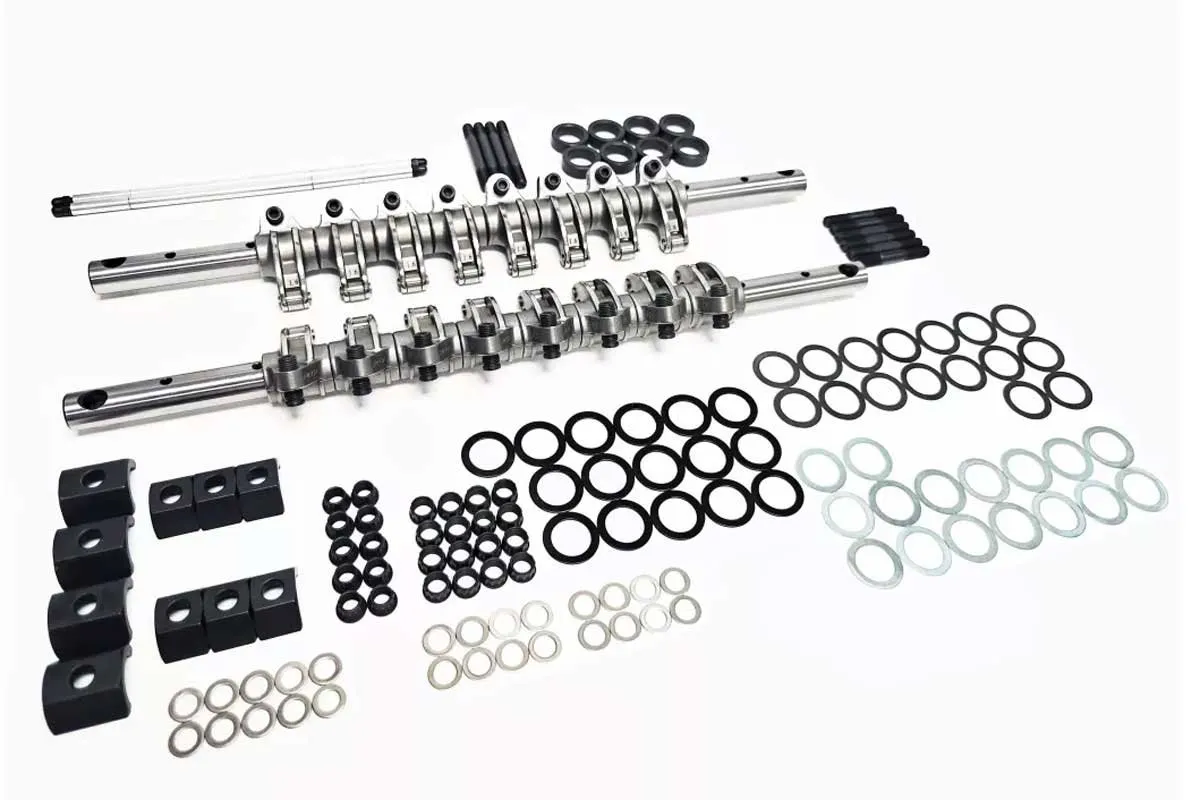
The baseline was COMP Cams 1.5:1 rockers, run at 32 degrees of total timing. The swap was PRW's Power Mopar Elite Series stainless shaft rocker system, part number 3244012, in a 1.6:1 ratio. On paper, the higher ratio should raise valve lift by about 6.7 percent, or roughly 0.030 inch, with the same cam lobe. Holley wrote that some people expected gains of 20 hp or more.
The results
 View full photo
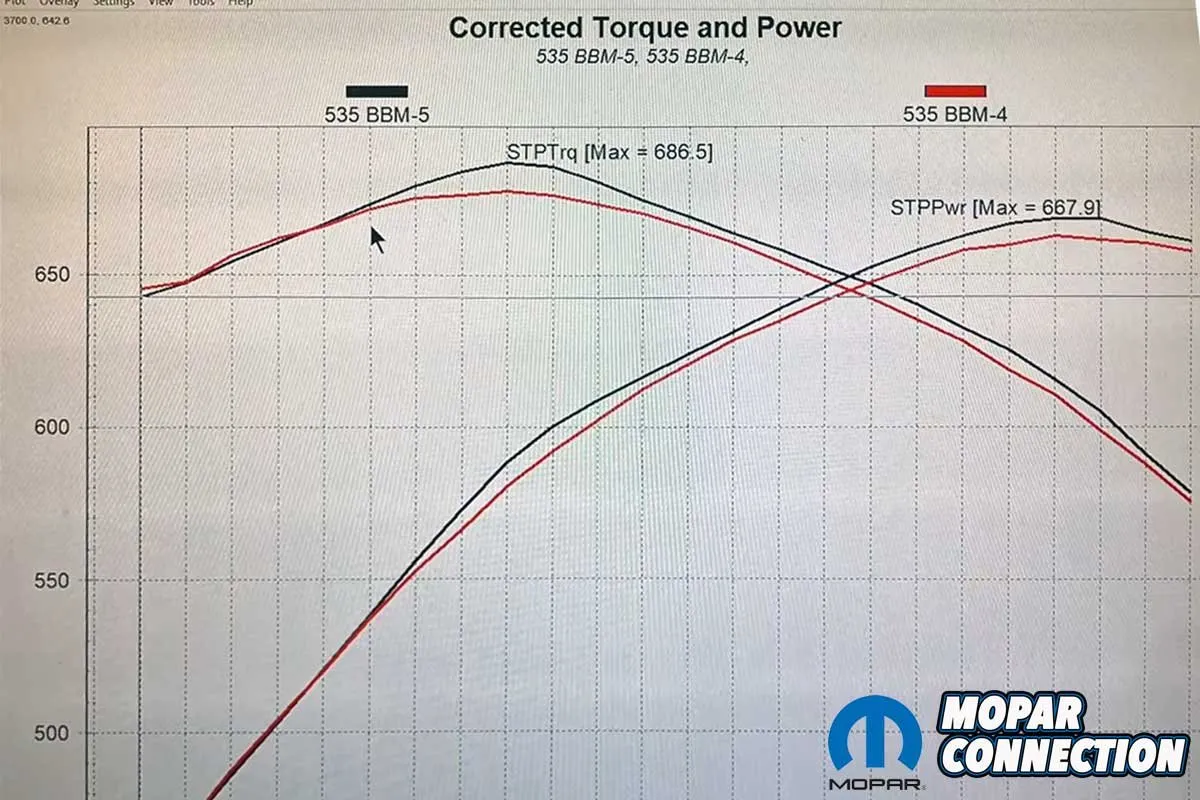
The 1.6:1 rockers made 656.3 hp and 674.1 lb-ft at their best. The 1.5:1 baseline made 667.9 hp and 686.5 lb-ft. That is a loss of 11.6 hp and 12.4 lb-ft, under 2 percent each way. The first run on the new rockers was 660 hp and 671 lb-ft, and later pulls improved, but none matched the baseline. The curves tracked each other closely until about 4,000 rpm, and above that the lower ratio made more power.
There was one clear win for the PRW parts: Holley wrote that they were noticeably quieter, with a thicker shaft that weighs about a pound more per side.
Why more lift did not help
 View full photo
Holley is careful here, and that is what makes this a useful test rather than a hit piece on a product. He lists possible reasons: cylinder head airflow nearing its limit, the cam's characteristics and timing, valve spring control, clearances, and the extra demand a higher ratio puts on the valvetrain by changing how the valve moves. He also says the test does not prove which one was responsible and that more testing would be needed. His summary is the line every builder should tape to the toolbox: "More valve lift does not guarantee more airflow, and more airflow does not automatically guarantee more power."
TORQFOLIO's read
This is a single test on a single engine, so it does not mean 1.6:1 rockers lose power everywhere. It does show that a ratio change is a system change. On an engine that already has ported heads, a specific cam and a single-plane intake tuned around them, extra lift can move the valve into territory the rest of the combination cannot use, and the valvetrain has to work harder to control it.
It also says something about how parts get sold. Rocker ratio gains are usually quoted as a lift number, because lift is easy to calculate. Power is not, and this test is a reminder that the only number that counts is the one on the dyno sheet for your combination, run back to back on the same day.
For the restomod and pro-touring Mopar crowd, the takeaway is practical. If your big-block already runs well and lives on the street, the quieter, stouter shaft rockers may be worth it for durability and noise, but do not buy a higher ratio expecting free horsepower. And if you do try one, do what Mopar Connection did: get a baseline first. As Holley put it, "That is why we test parts instead of assuming we already know the answer."
Sources
This story is compiled from the published sources listed below.
- Rocking & Reeling: When More Rocker Ratio Renders Unexpected Results, Mopar Connection Magazine

Written by
Devin B.
Founder
Devin founded TORQFOLIO to cover the whole aftermarket scene, from hot rods and LS swaps to donks, drift and Baja. Based in Las Vegas and usually at a show or meet with a camera.
More from Devin B.TORQFOLIO Weekly
The best of the week in cars, builds & culture. Every Sunday.
Keep Reading
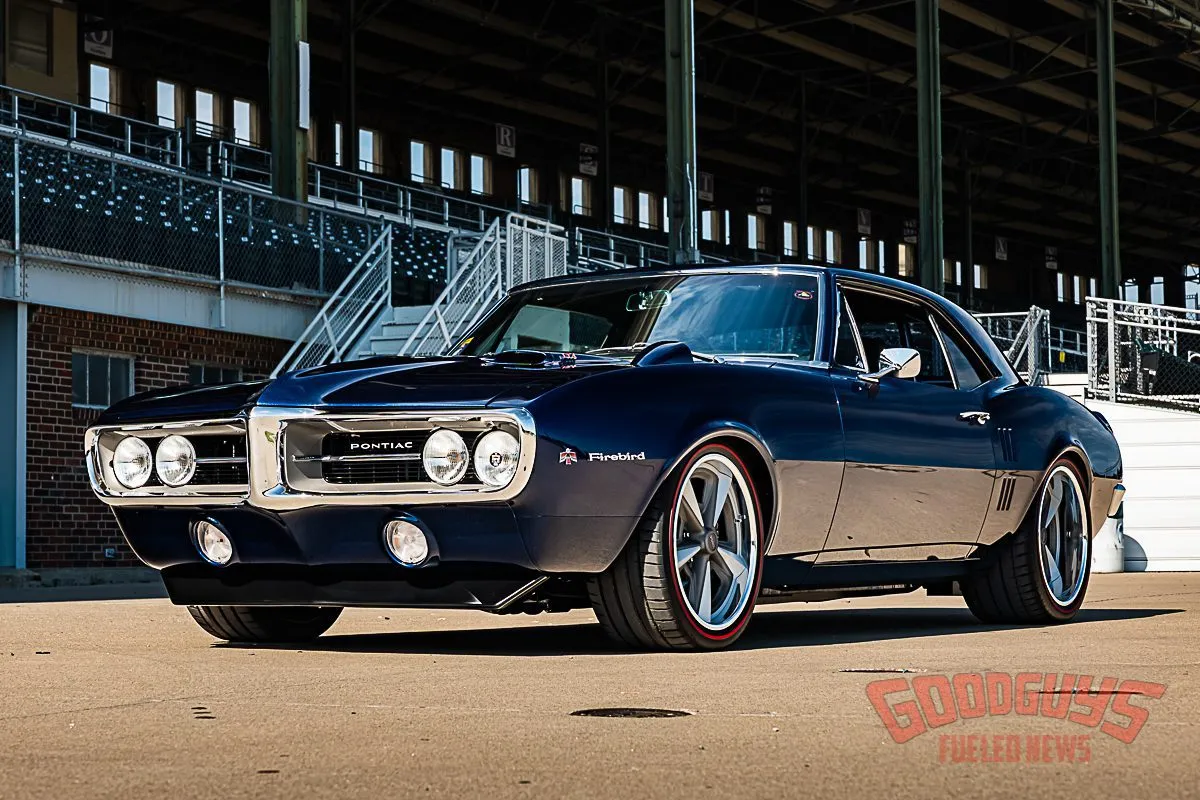
52 Years, One Owner: Keith Sasich's 1967 Firebird Wins Goodguys Muscle Machine of the Year
Devin B.,

Dana White's $1.5 Million Rams Led Barrett-Jackson Las Vegas. Customs Owned the Rest of the Top Ten
Devin B.,
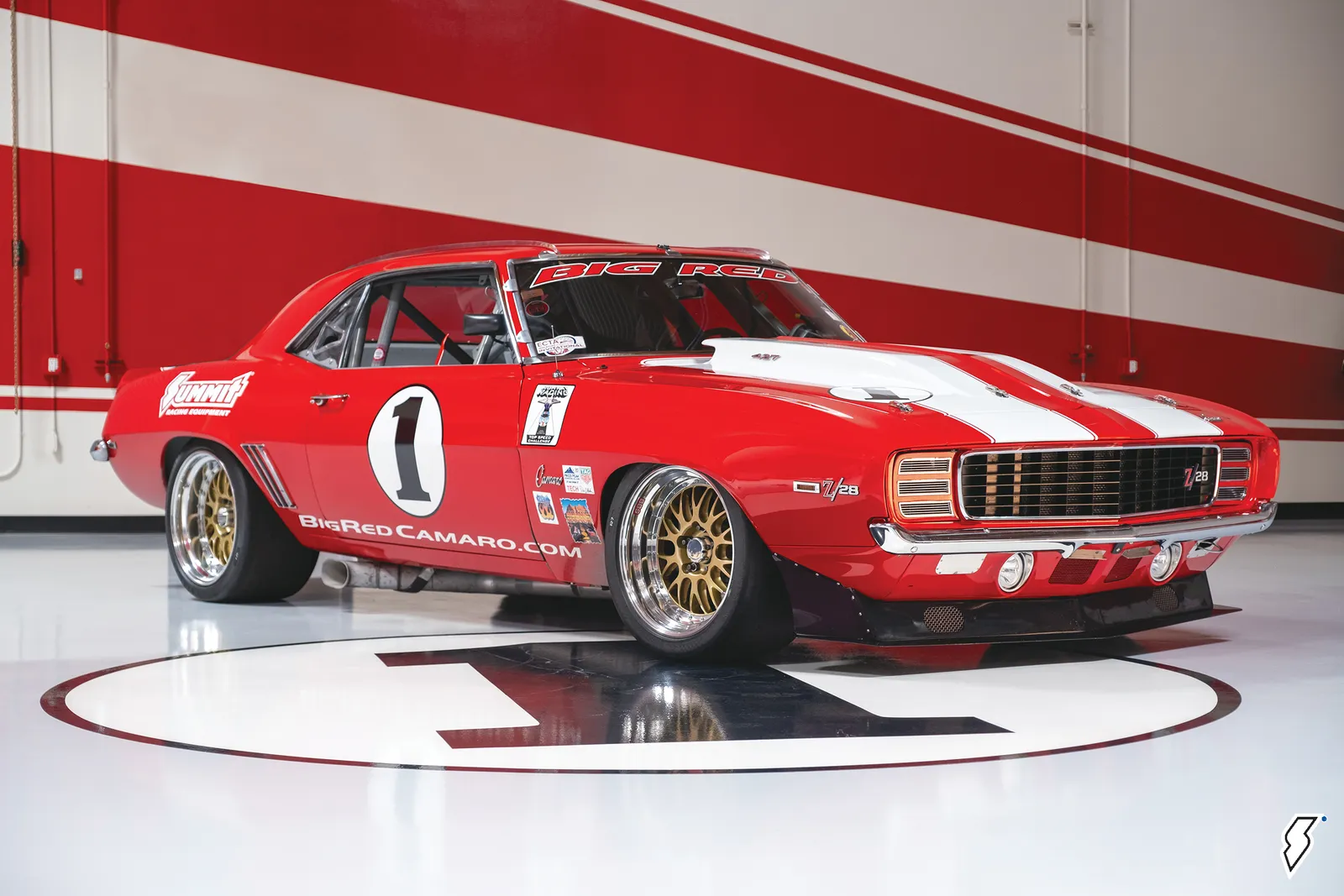
Pro-Touring Explained: Where It Came From, What It Takes, How It Differs From Pro Street
Devin B.,
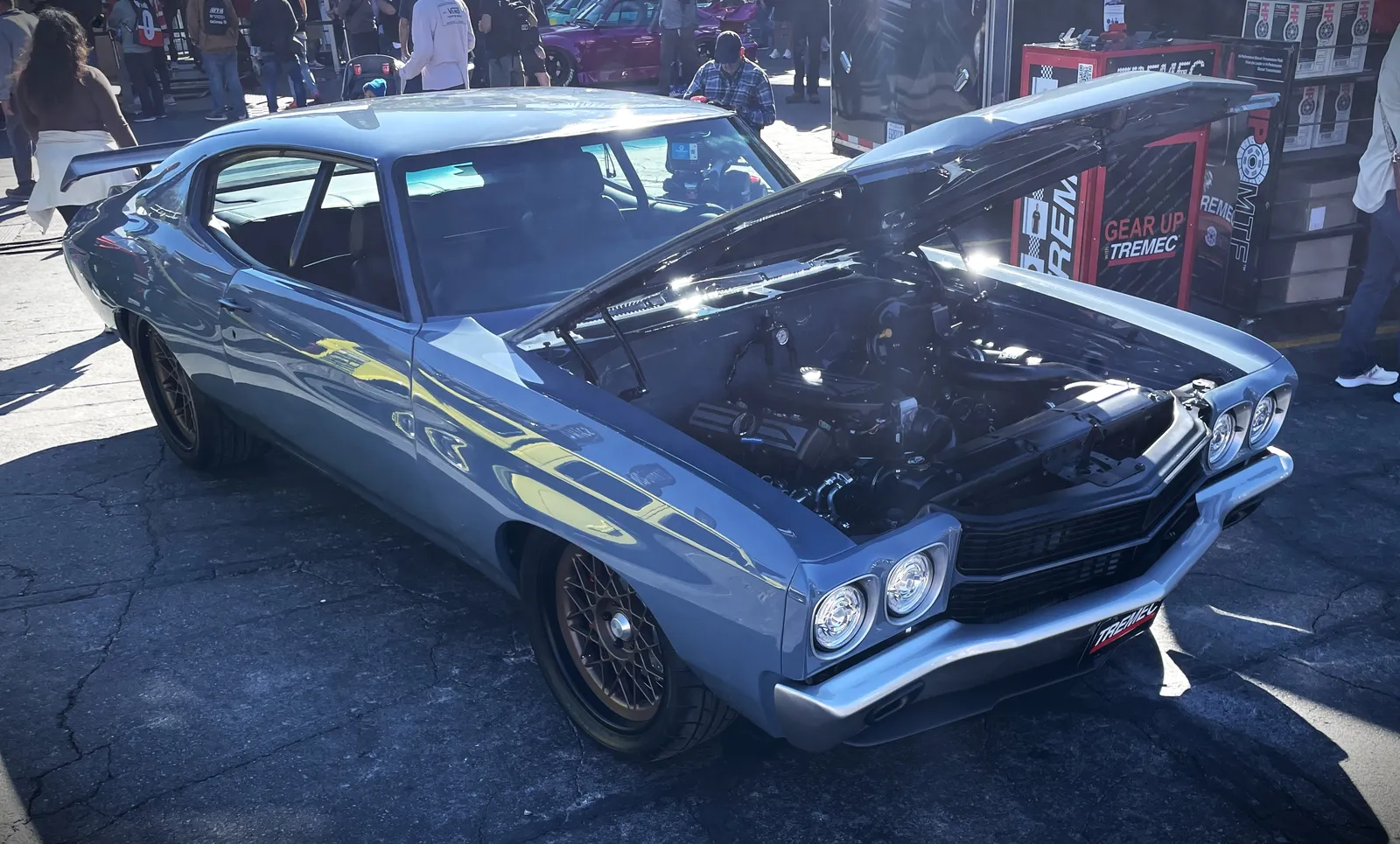
Restomod vs Restoration: How Each Is Judged, Valued and Insured
Devin B.,
Conversation 0 comments
No comments yet. Start the conversation.