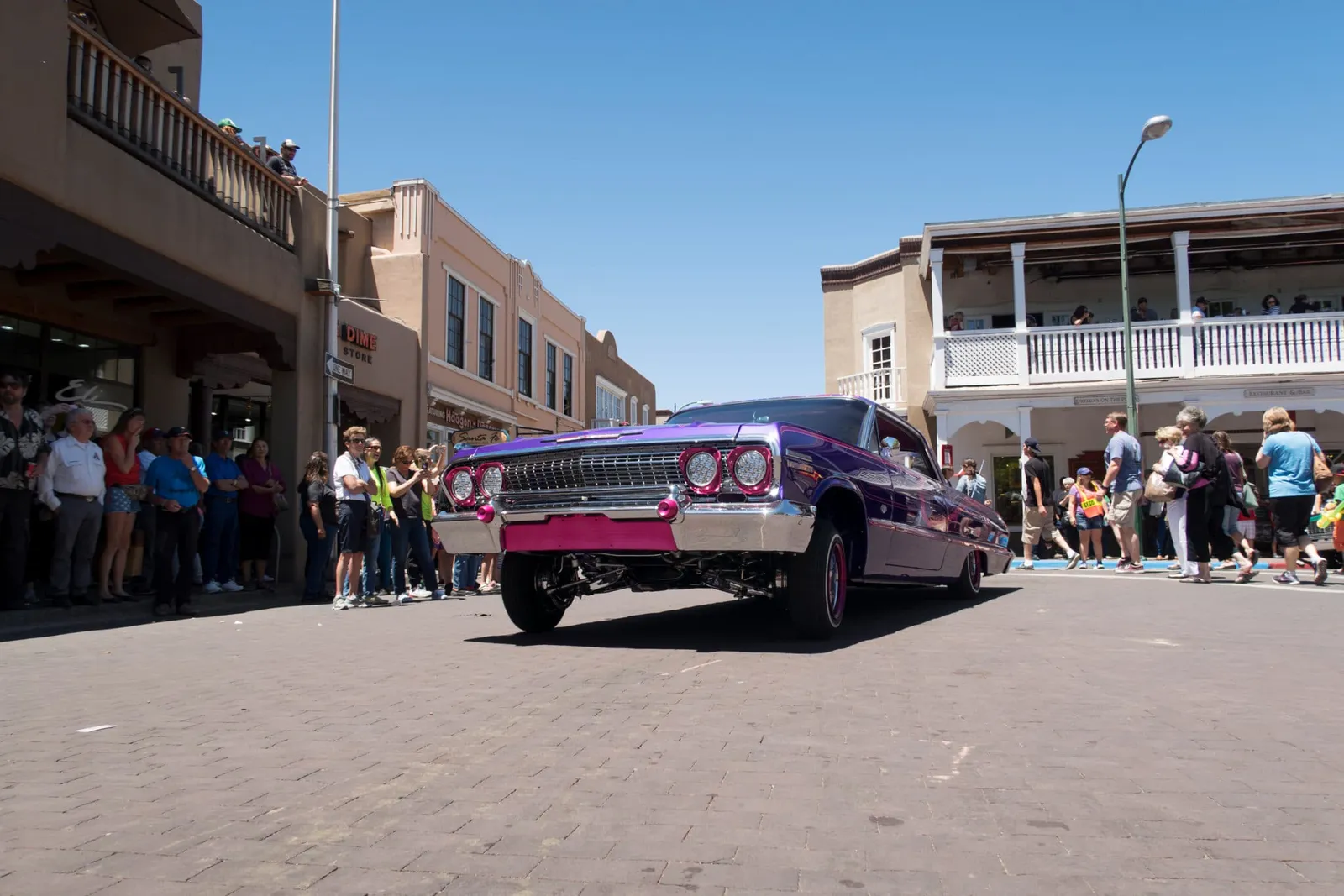
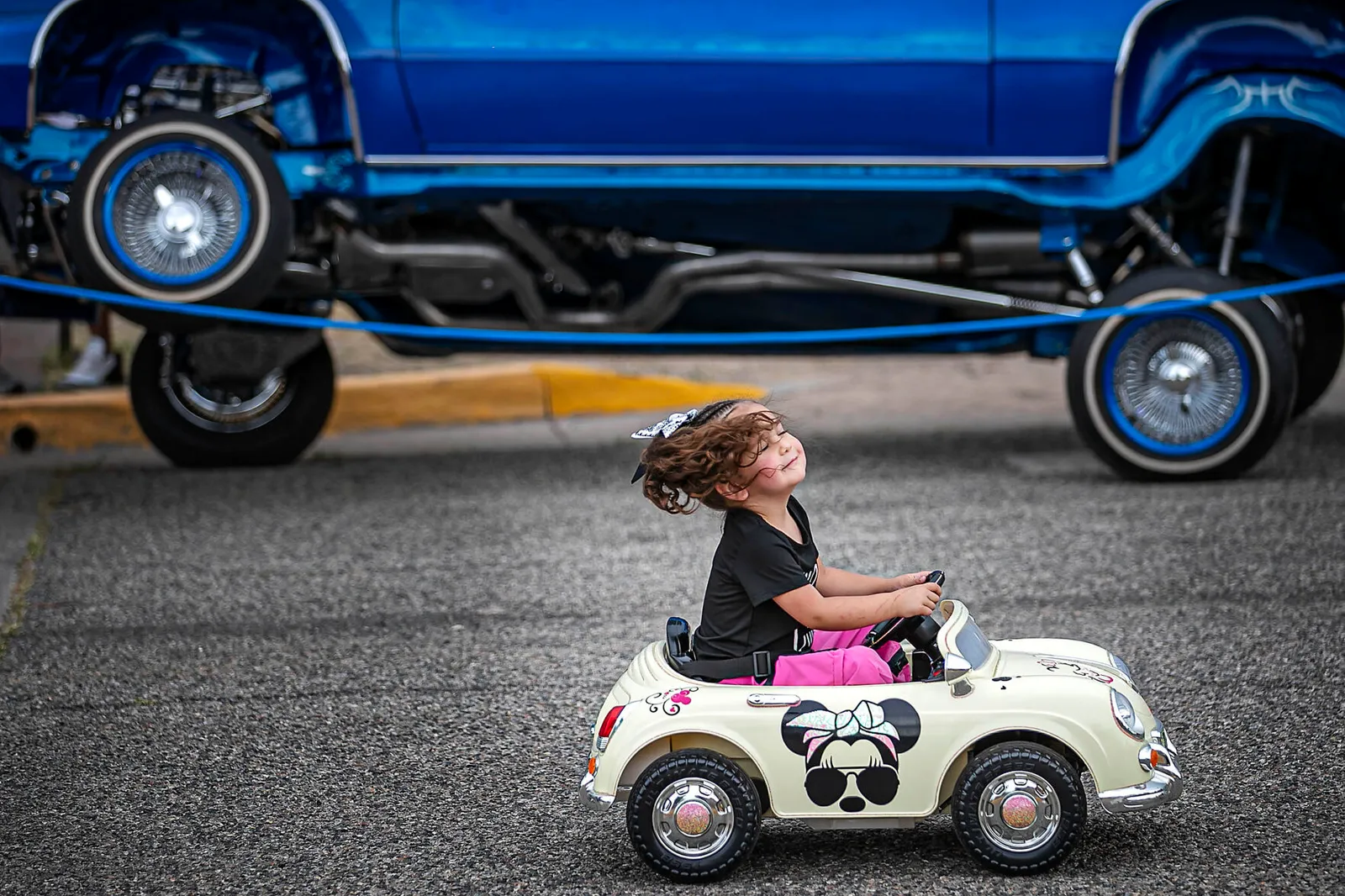
For one Sunday in July, the oldest public square in Santa Fe belonged to hydraulics. Lowrider Day on the Plaza, presented by New Mexico Lowrider and Arte Culture, put more than a hundred lowriders around the historic plaza on July 12, according to NPR's reporting from the event. Candy paint, chrome, engraved trim and juiced suspensions took over a space more often filled with tourists and art buyers, and the people who built the cars used the day to make a point to the state: this culture deserves a permanent home.
Event listings described the show as free to the public, with cars arranged around the plaza and on Lincoln Avenue. NPR's Katerina Barton, reporting for All Things Considered, described brightly colored cars showing off candy paint jobs, chrome rims, custom detailing and hydraulics. For a city that markets itself on art, it was hard to miss the argument the cars were making on their own.
 View full photo
Estilo on the Plaza
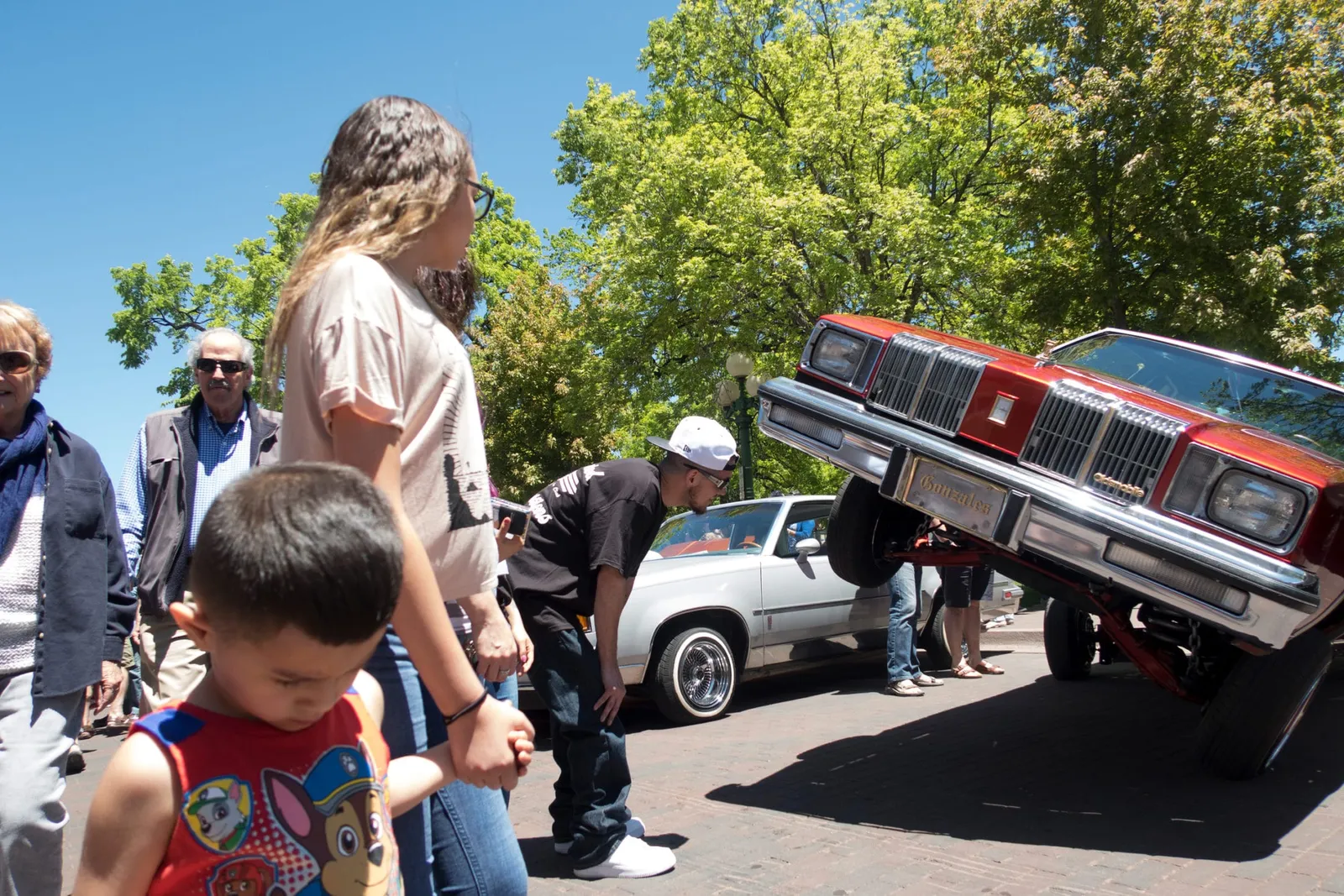
Northern New Mexico lowriding has its own accent, and the builders on the plaza were happy to explain it. Joan Medina of Chimayo, president of the Española Lowrider Association, has been lowriding since she was 12. Her car is a 1987 Pontiac Grand Prix in a magenta-fuchsia flake with blue flake that, in her words to NPR, "always turns heads."
 View full photo
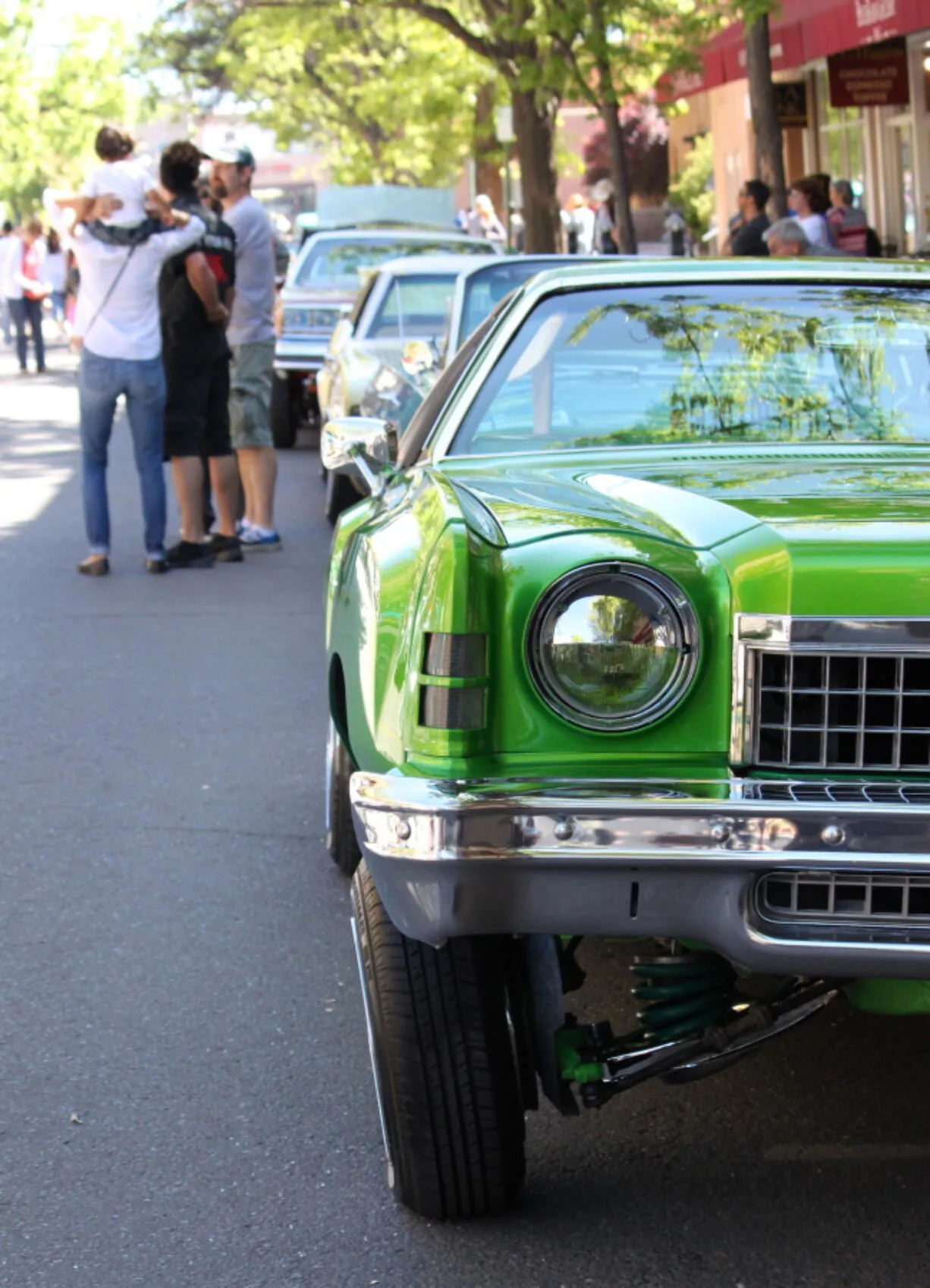
Everybody has their own style. We call it estilo.
Her husband, Low Low Medina, compared the local style to cooking, a recipe passed around and adjusted by every family that touches it. Casey Montoya, one of the organizers of the Santa Fe show, told NPR the culture is multigenerational and deserves more recognition, noting that some great-grandparents were customizing and repairing these cars long before hydraulics were part of the picture.
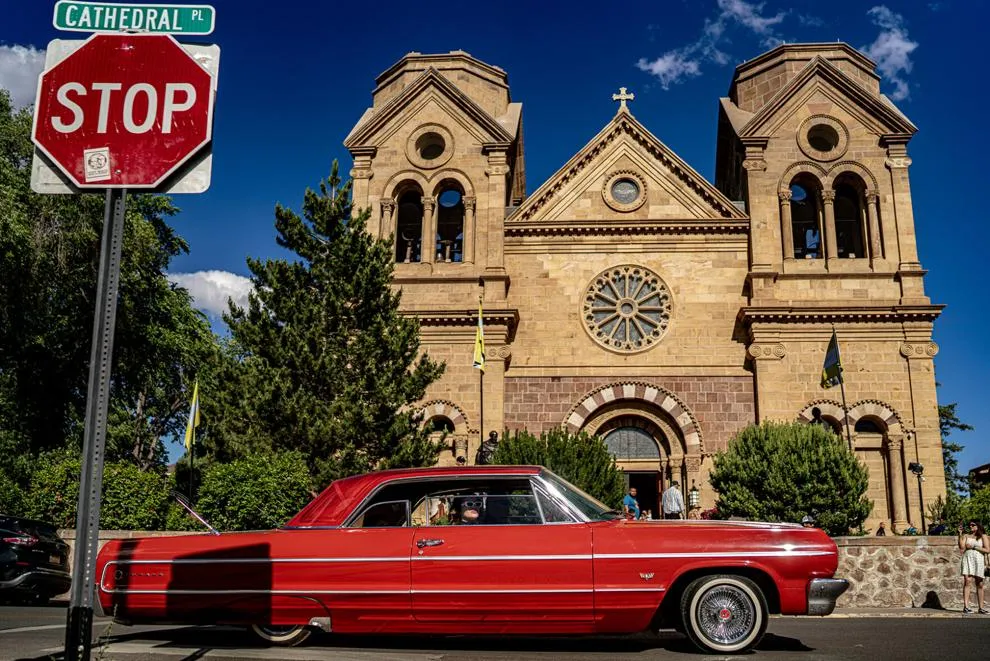
That generational thread is the defining feature of the New Mexico scene. A G-body Grand Prix in flake paint, a sixties Impala on wires and a clean Monte Carlo can all trace back to the same few families and clubs in the Española Valley, Chimayo and Santa Fe. The cars are built to be cruised slow on the plaza and the main drag, and to be passed down.
 View full photo
Española's Claim and the Museum Question
Española, a town of about 10,000 people north of Santa Fe, calls itself the Lowrider Capital of the World. Southern California would argue, as NPR pointed out, but the title is not a joke in New Mexico. The state's Department of Cultural Affairs has spent the past two years studying whether Española can support a dedicated lowrider museum.
 View full photo
The Legislature and community advocates asked for the study, and a team of architects, cost estimators and cultural consultants carried it out. The department released the finished report on May 7, 2026. It found that Española has the community support, visitor potential and cultural foundation to sustain a museum, while warning that significant funding and governance work remains.
The numbers in the report are not small for a town of Española's size. The department projected 40,000 to 60,000 visitors a year and a professional staff of 18 to 25. It also framed the museum as a way to pair lowriding heritage with hands-on STEAM education for young people across the state, which is a smart pitch: paint, upholstery, hydraulics, electrical and fabrication are all trade skills.
State Sen. Leo Jaramillo, one of the project's champions, said in the department's release that "the study shows the museum could attract tens of thousands of visitors each year." Cultural Affairs Secretary Debra Garcia y Griego said the project "has the potential to strengthen both local pride and New Mexico's broader creative economy."
The problem is the next check. KRQE reported that lawmakers set aside about $500,000 to continue the study and that the money was vetoed by the governor, leaving Jaramillo talking about public grants to finish the work. The study weighed six potential sites in Española and put construction at $22 million to $28 million depending on the site, with operating costs of $2 million to $3 million a year. It also flagged the hardest part: getting enough cars to display, which it proposed solving with a rotating collection. NPR reported that local lawmakers were still searching for funding when the cars rolled onto the plaza.
Why a Museum Fight Matters to the Street
It is fair to ask why a car show should care about a museum. The answer is that lowriding has spent most of its history being policed rather than preserved. Cruising bans, towing and anti-loitering enforcement shaped the scene in California for decades, and the culture's archives have mostly lived in family garages, club scrapbooks and back issues of magazines. A state-backed museum in the town that claims the title would change that, and it would put lowriders on equal footing with the art that already fills Santa Fe's galleries.
There is also a practical side for builders. A museum that teaches paint, plating, upholstery and hydraulics to teenagers is a pipeline for the next generation of shops, and northern New Mexico has a deep bench of craftsmen who learned exactly that way, from a relative or a club elder.
For now, the cars are doing the advocacy themselves. More than a hundred of them on the plaza is a better argument than any feasibility study, and the people who brought them made it clear they intend to keep showing up until the museum has a building, a budget and a staff. Española's own Lowrider Day was on the calendar for later in July.
Sources
This story is compiled from the published sources listed below.
- New Mexico lowriders celebrate culture, push for a museum, NPR (via WUSF)
- State releases feasibility study outlining next steps for Española lowrider museum, New Mexico Department of Cultural Affairs
- Lowrider Day on The Plaza 2026, Santa Fe NM True
- New feasibility study sheds light on locations for possible Española lowrider museum, KRQE (via AOL)
- Lowrider Day De Espanola Is Saturday, July 25, Los Alamos Reporter

Written by
Devin B.
Founder
Devin founded TORQFOLIO to cover the whole aftermarket scene, from hot rods and LS swaps to donks, drift and Baja. Based in Las Vegas and usually at a show or meet with a camera.
More from Devin B.TORQFOLIO Weekly
The best of the week in cars, builds & culture. Every Sunday.
Keep Reading
The Crew Motorfest on Switch 2 Is the Console's Best Car Game, Reviewers Say, With One Big Catch
Devin B.,
From McAllen to Reno, Lowriders Spent the Fall Inside Museums
Devin B.,
Candy Paint Goes Official: How Slab Culture Became Houston's Brand in One September
Devin B.,
California Signs Jay Leno's Law and Creates a Lowrider Plate in One Garage Visit
Devin B.,
Conversation 0 comments
No comments yet. Start the conversation.