Lake Speed Jr. Wiped Out Flat-Tappet Cams on Purpose. Here's What It Says About Zinc and DLC Lifters
A controlled break-in test on a small-block Chevy found that how you add ZDDP matters as much as how much, and that diamond-like carbon lifters changed the whole equation.
Every hot rodder who has built a small-block with a flat-tappet cam has heard the advice: modern oil does not have enough zinc, so dump a bottle of additive in before you fire it. Lake Speed Jr. decided to find out whether that advice actually saves cams, and he was willing to ruin a few to get the answer.
Speed is a tribologist, the science of friction, wear and lubrication, with more than two decades of work behind him, including lubricant development with Joe Gibbs Racing. He also owns the oil analysis company SPEEDiagnostix. His latest Motor Oil Geek video, written up by EngineLabs, ran a series of controlled break-ins on a small-block Chevrolet at Shaver Specialty Racing Engines. The results are the most useful thing a flat-tappet builder will read this year.
Why zinc became a worry
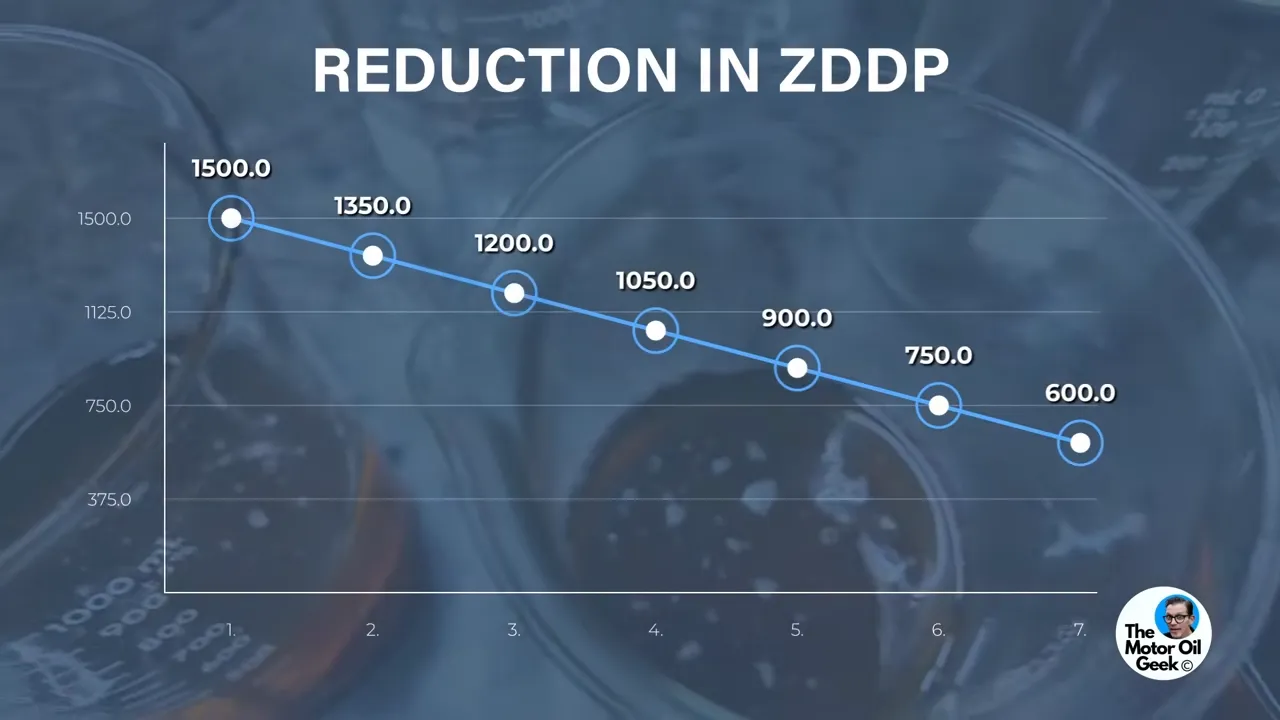
Zinc dialkyldithiophosphate, ZDDP, has been a key anti-wear additive in motor oil for decades. Speed explains that ZDDP levels in passenger car oils were cut during the early 2000s, from roughly 1,200 ppm to a maximum of around 800 ppm, and detergent chemistry changed at the same time.
 View full photo
Roller cams barely noticed. Flat-tappet cams, where a lifter slides and spins on the lobe under huge contact pressure, are a different story, especially during break-in when the parts are still wearing into each other. That is where bottled zinc additives came from, and why every swap meet sells them.
The baseline and the failure
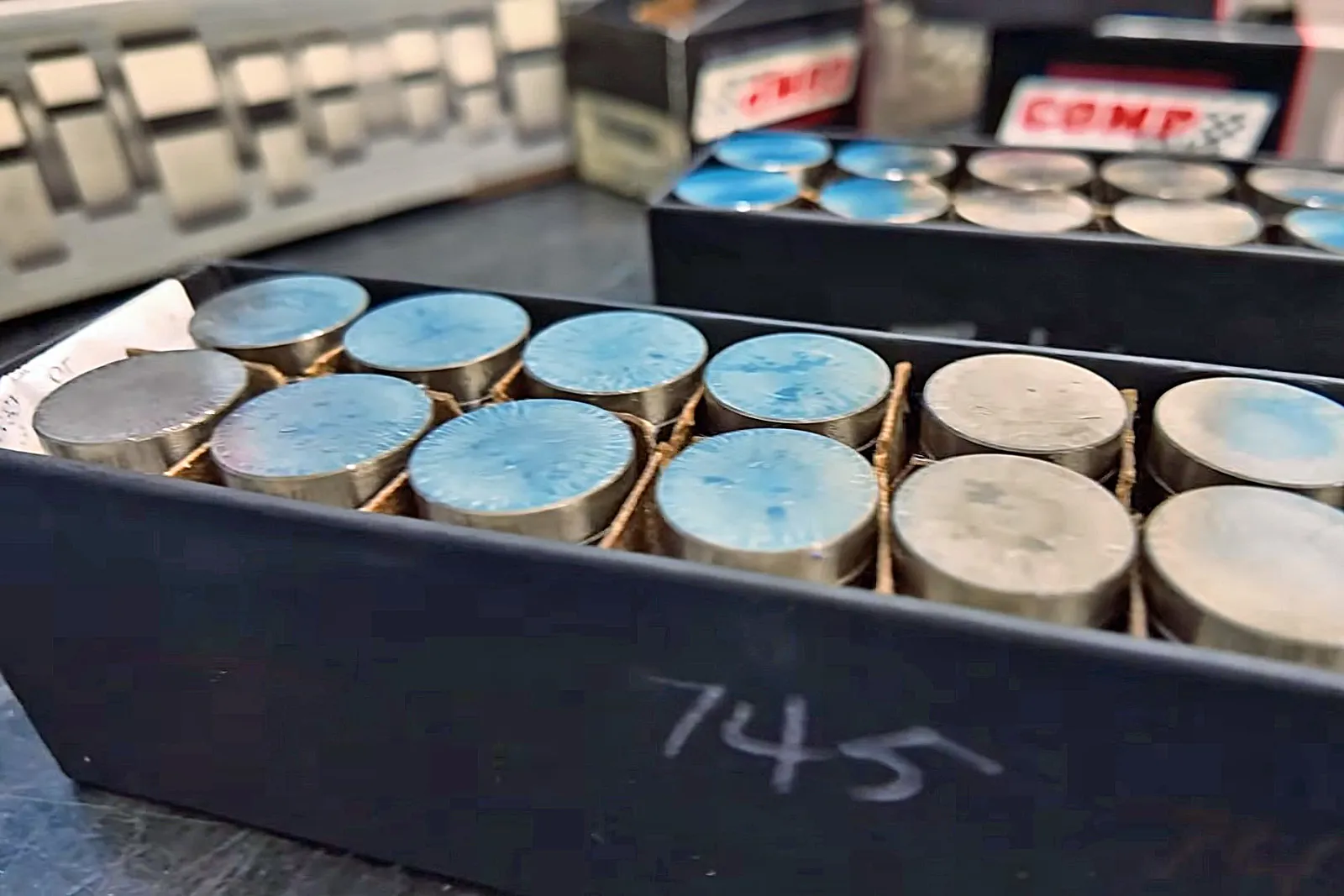
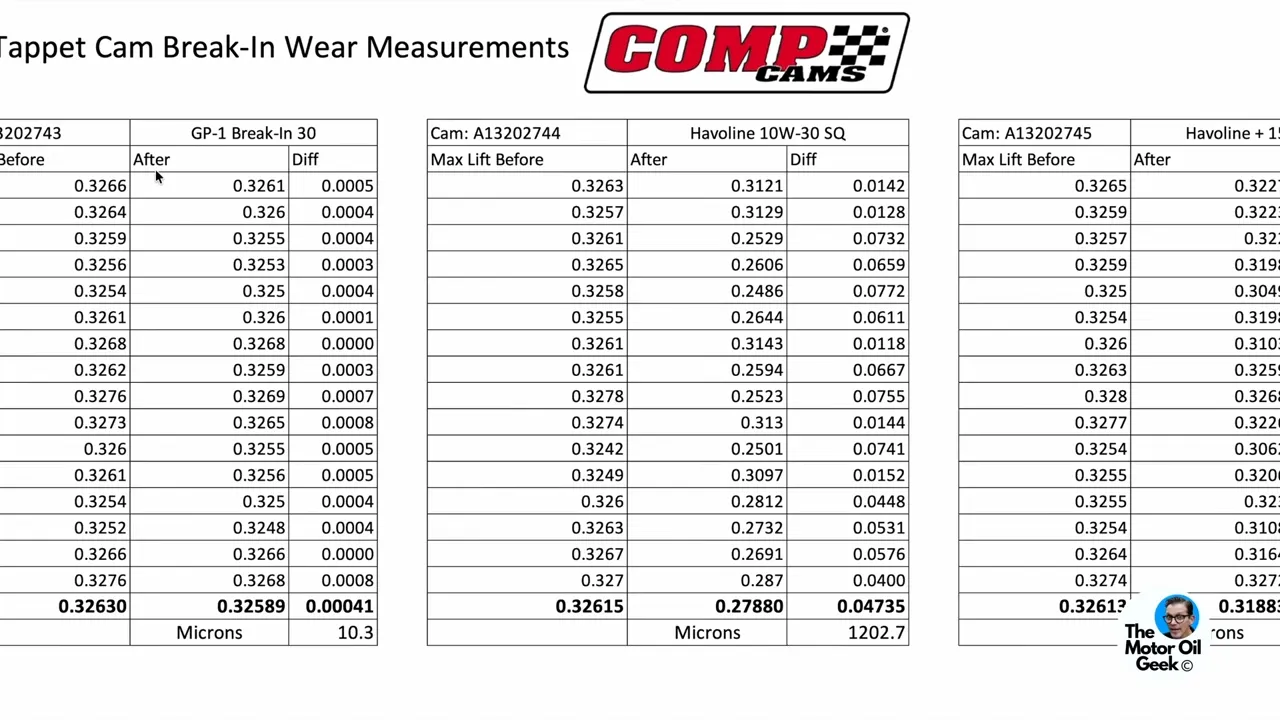
Speed started with a dedicated break-in oil, Driven GP-1, as the baseline. After a 30-minute break-in, the lifters looked essentially new. EngineLabs reports that this engine has historically shown about 5 to 10 microns of average cam lobe wear on break-in oil, and the GP-1 baseline measured about 10.
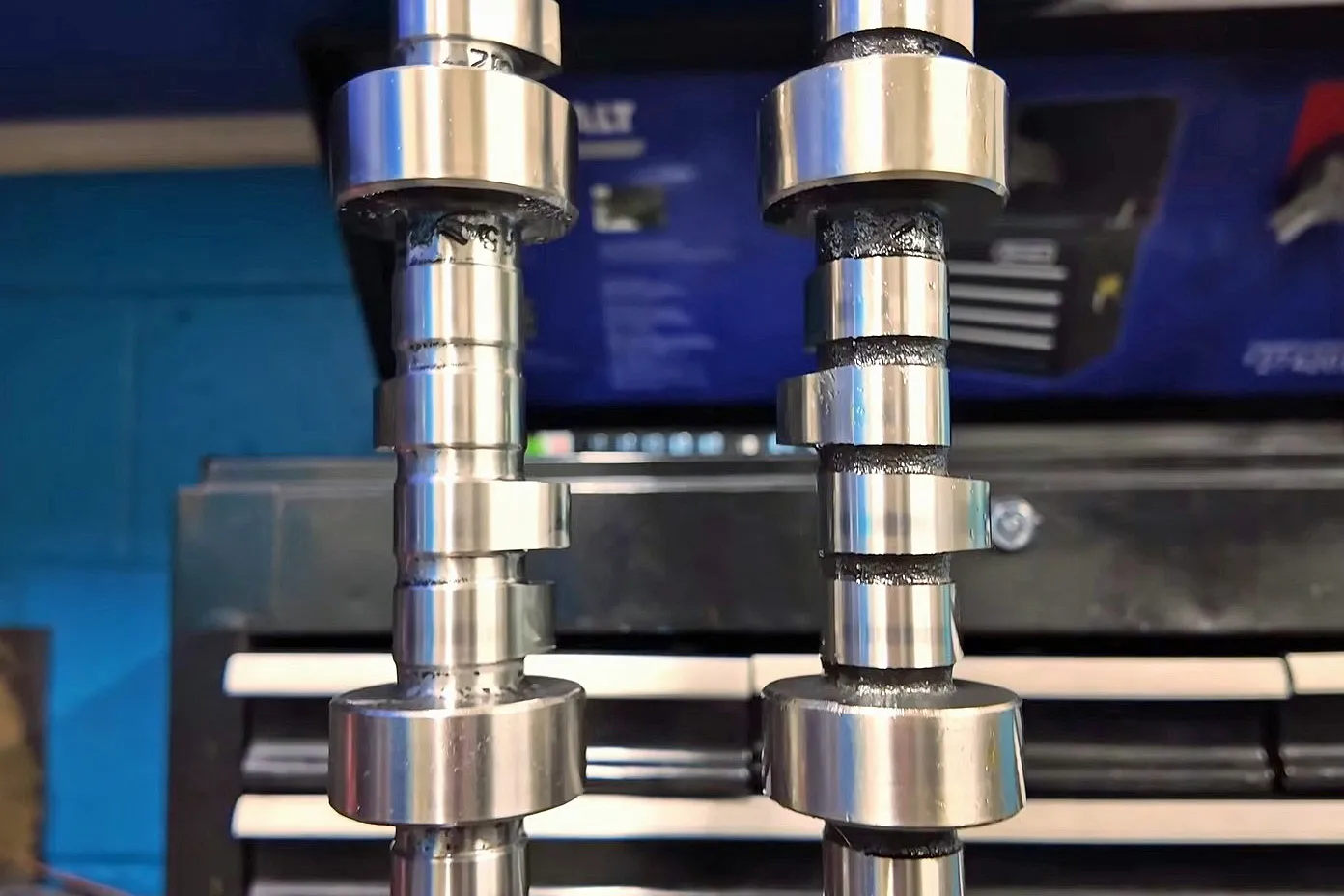
Test two swapped to a current API SQ passenger car oil, with substantially less zinc and a different ZDDP chemistry. The cam and conventional lifters showed significant wear during break-in. The final measurement was catastrophic. That is the scenario every flat-tappet builder fears, and it happened with a brand-name modern oil straight off the shelf.
More zinc is not the answer
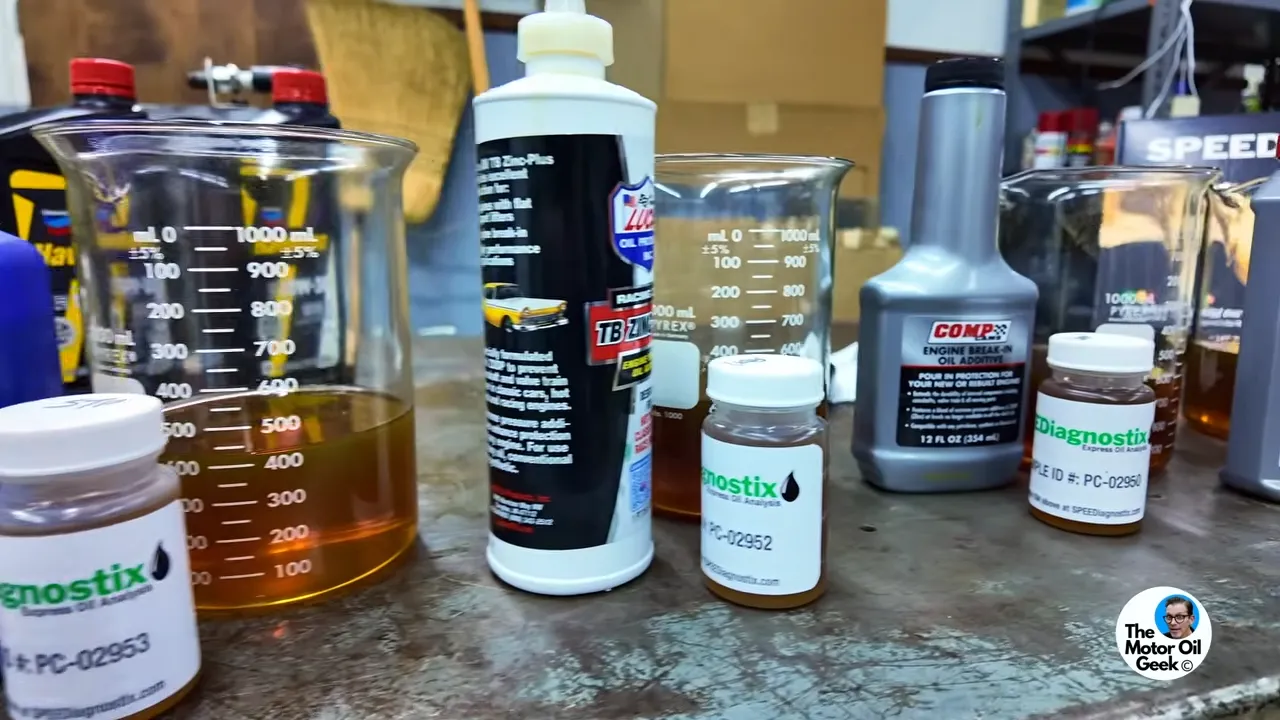
Next came the additives. Lab analysis showed the bottled products did not simply raise zinc and phosphorus together. Some actually lowered phosphorus slightly, some raised it, and a third group pushed phosphorus dramatically higher.
 View full photo
Speed picked products representing different levels and poured one into the engine for test three. The cam and lifters still wore unacceptably. Then he changed one thing: instead of pouring the additive into the engine, he premixed it thoroughly with the oil first. The same combination that had failed now produced lifters that looked like the ones run on dedicated break-in oil.
His explanation is the takeaway. The first two minutes of a flat-tappet cam's life can decide whether it survives. A thick additive poured in separately does not reach the cam during that window, so the protection is in the sump while the lobes are being destroyed. Premixing puts the chemistry where it needs to be from the first revolution.
 View full photo
There was a second lesson. An additive with considerably more zinc and phosphorus still failed to protect the cam. EngineLabs sums up Speed's point: the amount of ZDDP is only part of the equation, and the type of ZDDP and the overall additive chemistry matter as well.
DLC lifters changed everything
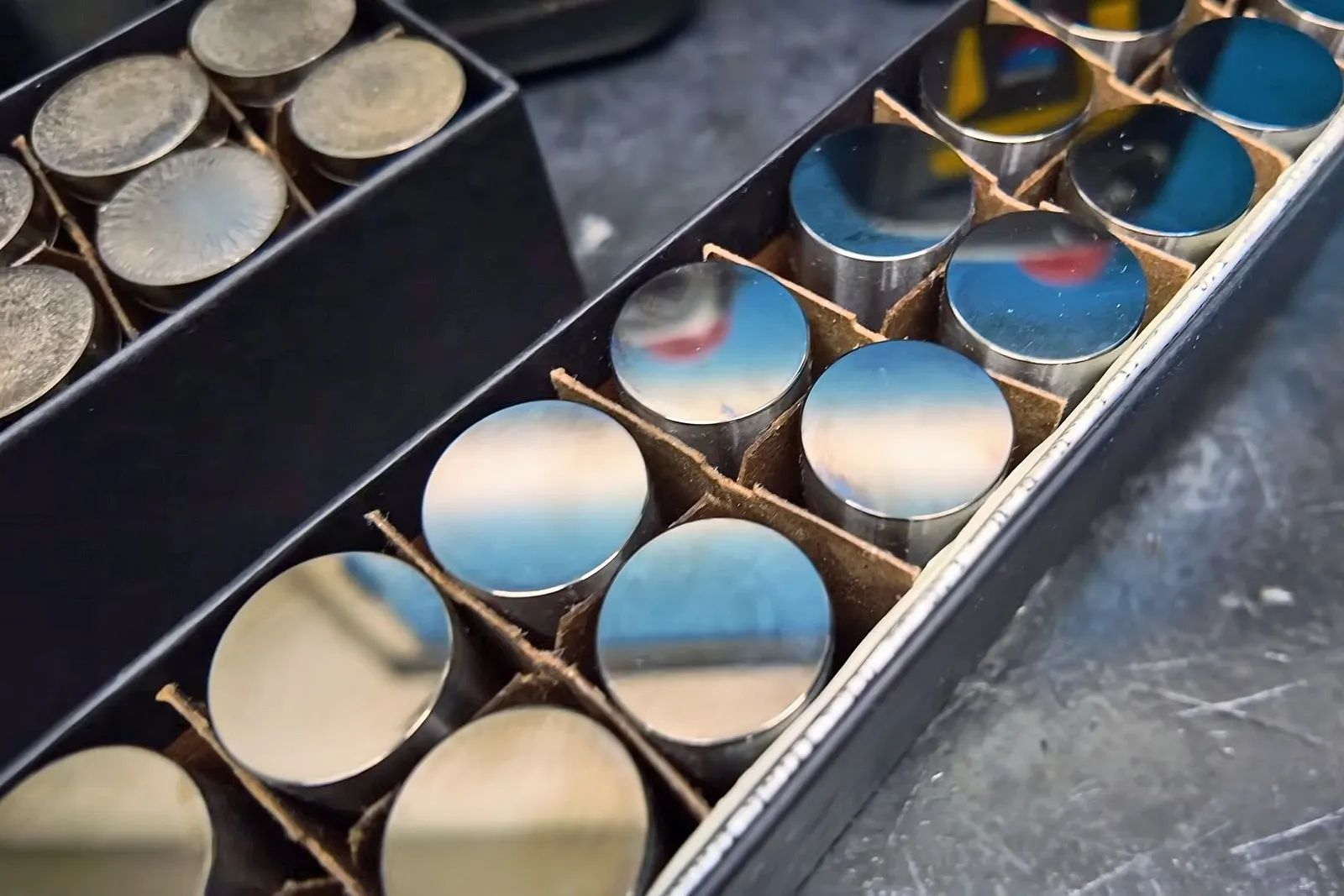
The most striking test replaced the conventional lifters with lifters coated in diamond-like carbon, a low-friction, wear-resistant coating. The same API SQ oil that had wrecked the steel lifters suddenly performed extremely well.
 View full photo
Average cam lobe wear with the DLC lifters measured less than one micron. Speed described it as the best result he had seen in more than 15 years of testing. He then ran the DLC lifters on base oil with no additive package at all. The lobes and lifters again looked remarkably good, but oil analysis showed increased wear elsewhere in the engine. DLC protected the cam and lifter interface, and nothing else.
Reading the oil
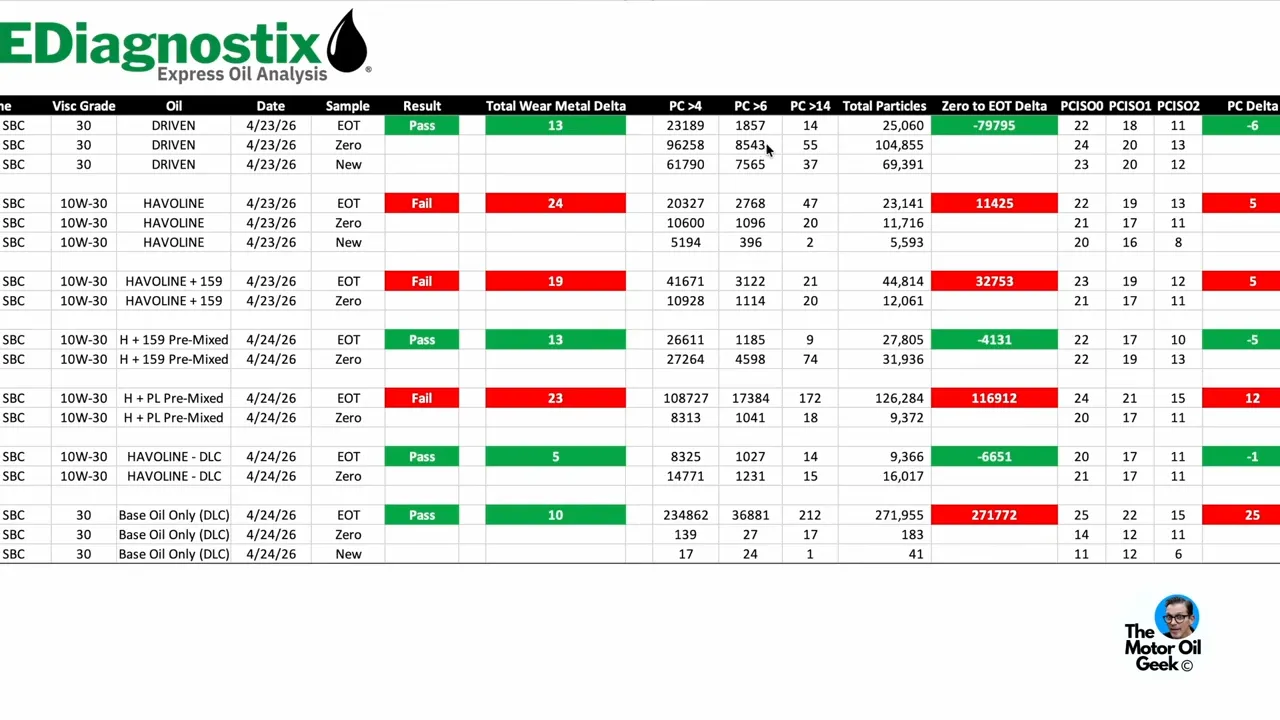
Speed did not rely on eyeballing parts. SPEEDiagnostix ran used-oil analysis and particle counts, and Comp Cams handled the camshaft measurements. During a successful break-in, particle counts fell as the filter removed debris. During a failure, they rose despite filtration, because the cam was generating debris faster than the filter could catch it.
 View full photo
That is a practical tool for anyone running a fresh flat-tappet engine: a used-oil sample with particle counts can show whether break-in went right before a lobe goes flat.
 View full photo
What to do with this
For the traditional hot rod with a flat-tappet small-block, the message is not that zinc is useless. It is that chemistry and timing matter. Use a dedicated break-in oil, or if you are using an additive, mix it into the oil before it goes in the engine rather than pouring it on top. Do not assume a bigger zinc number means more protection. And if you are buying lifters for a new build, DLC coating changes what the cam needs from the oil.
EngineLabs puts Speed's conclusion simply: do not try to fix the wrong oil by blindly adding chemistry. Match the lubricant and additive package to the parts and the job.
Sources
This story is compiled from the published sources listed below.

Written by
Devin B.
Founder
Devin founded TORQFOLIO to cover the whole aftermarket scene, from hot rods and LS swaps to donks, drift and Baja. Based in Las Vegas and usually at a show or meet with a camera.
More from Devin B.TORQFOLIO Weekly
The best of the week in cars, builds & culture. Every Sunday.
Keep Reading
Meguiar's Reboots Hybrid Ceramic Around a $21.99 Spray-and-Wipe Prime Coat Sealant
Devin B.,

Cruisin' the Coast Hits 30 With 10,712 Cars, and a Hurricane Couldn't Stop It
Devin B.,
Woodward Dream Cruise 2026: A Million People, 40,000 Cars and a Sheriff Asking Everyone to Cruise, Not Race
Devin B.,
A Lifted F250, a Chopped Merc and a Smoking Mail Truck: Goodguys Takes Over Puyallup for Year 38
Devin B.,
Conversation 0 comments
No comments yet. Start the conversation.