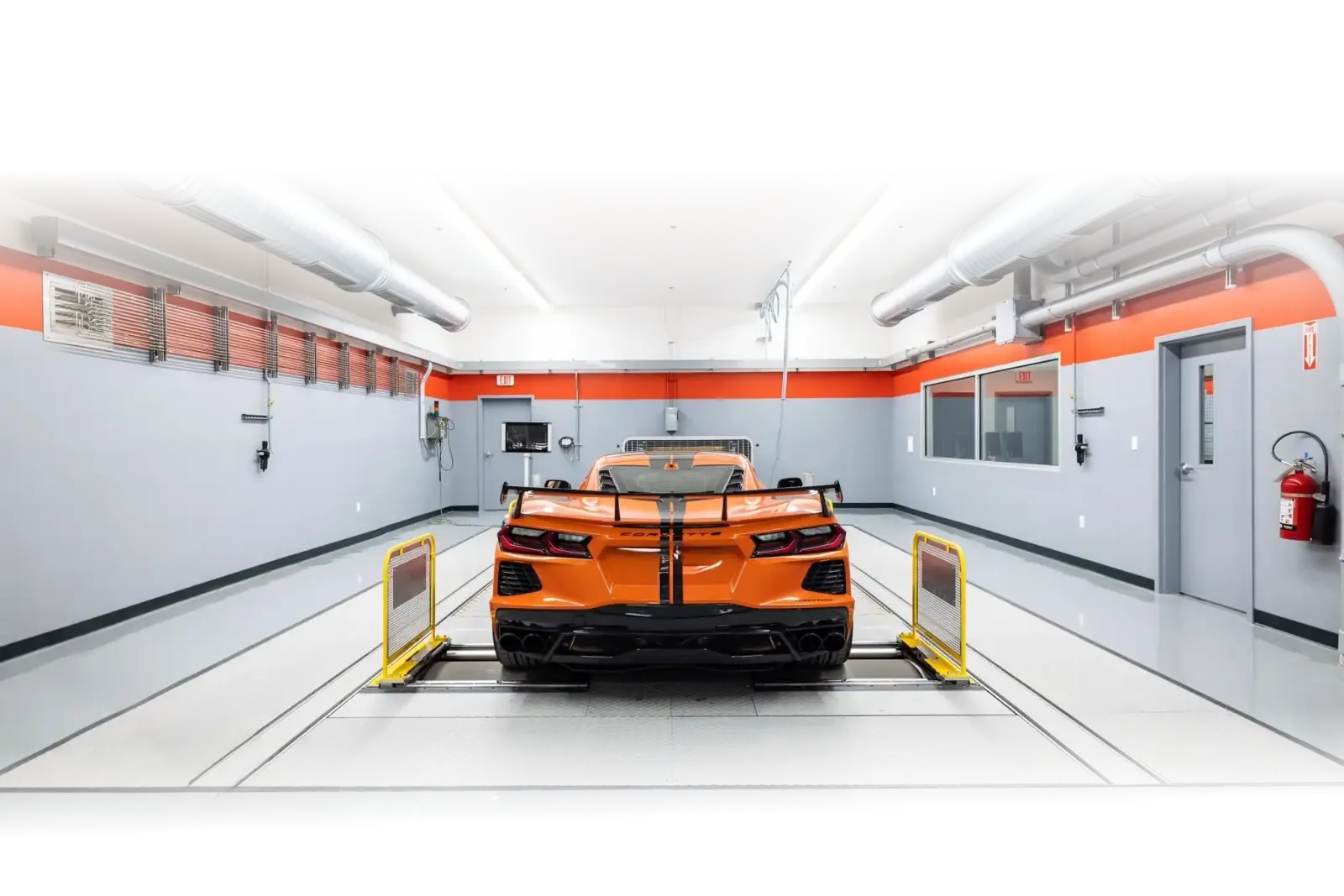
If you build a part that touches a vehicle's emissions, the paperwork used to point one way: California. On July 1, the EPA changed that. The agency recognized SEMA as an alternative certification authority for aftermarket parts, so a SEMA Certified-Emissions certificate, or SC-E, can now be used to show a part does not hurt emissions.
Before this, the EPA says the California Air Resources Board process was the only one it recognized for this job. The agency's release calls that process backlogged, at 12 to 18 months. SEMA's own FAQ gives a different number: California Executive Order approvals average about six months, with some running up to two years. Either way, small shops have been waiting on a state agency to sell a part in the other 49.
 View full photo
How it happened
The Clean Air Act bars parts that bypass, tamper with or remove emissions controls. Under the EPA's 2020 Tampering Policy, the agency generally does not go after a company that has a documented reasonable basis for concluding a part is clean. The fight has always been over what counts as reasonable.
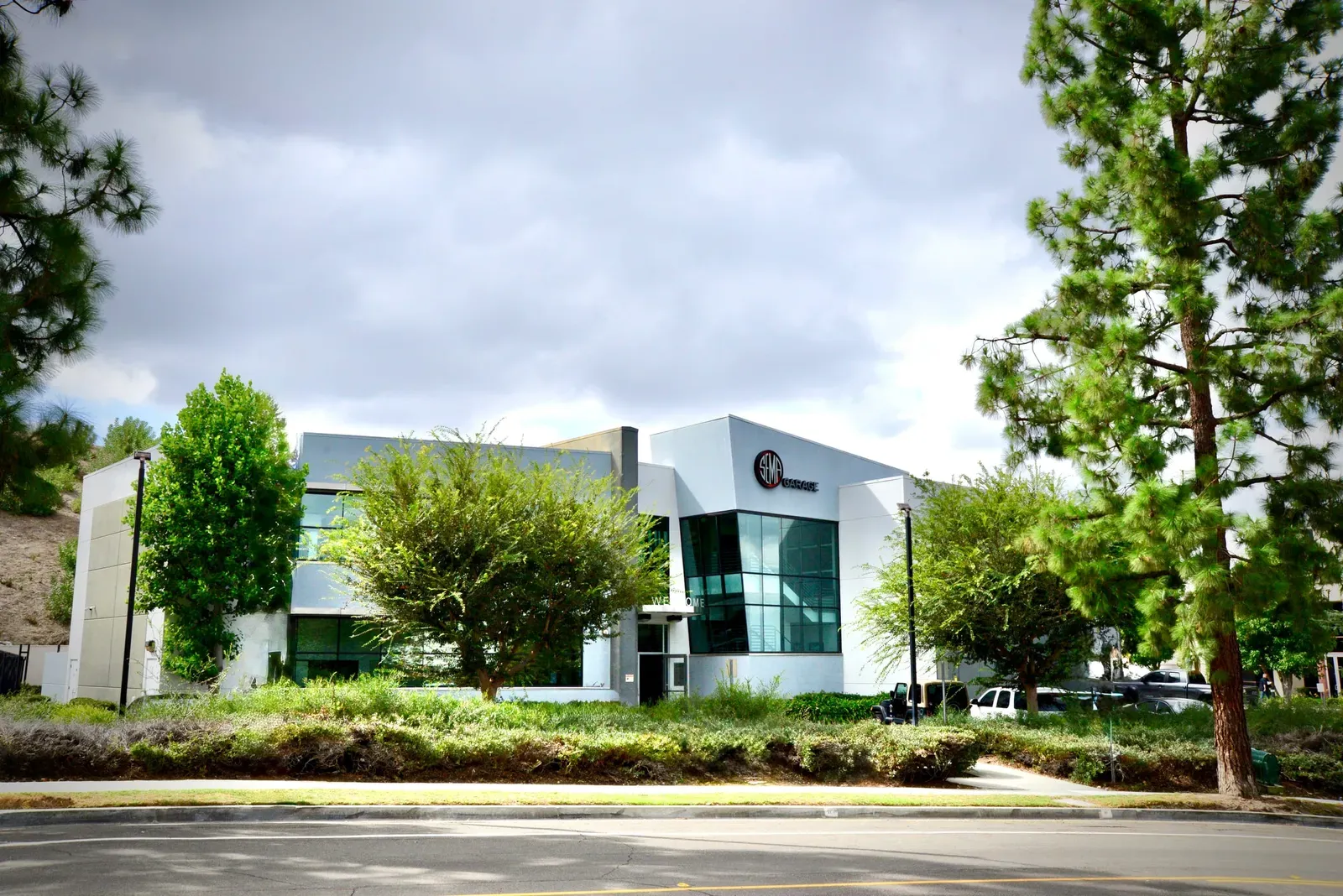
SEMA says it pressed for a clear answer for nearly a decade. Its FAQ says the RPM Act was one attempt at settling that question, and that the bill was tabled after it became unworkable for the industry. The latest push moved quickly. SEMA sent a formal request on April 22. A June 29 presidential memorandum on the "Freedom to Fix" agenda told the EPA to cut its reliance on CARB. Two days later, the recognition came through.
 View full photo
Americans should not be forced to solely rely on California to certify aftermarket products.
What it costs a parts maker
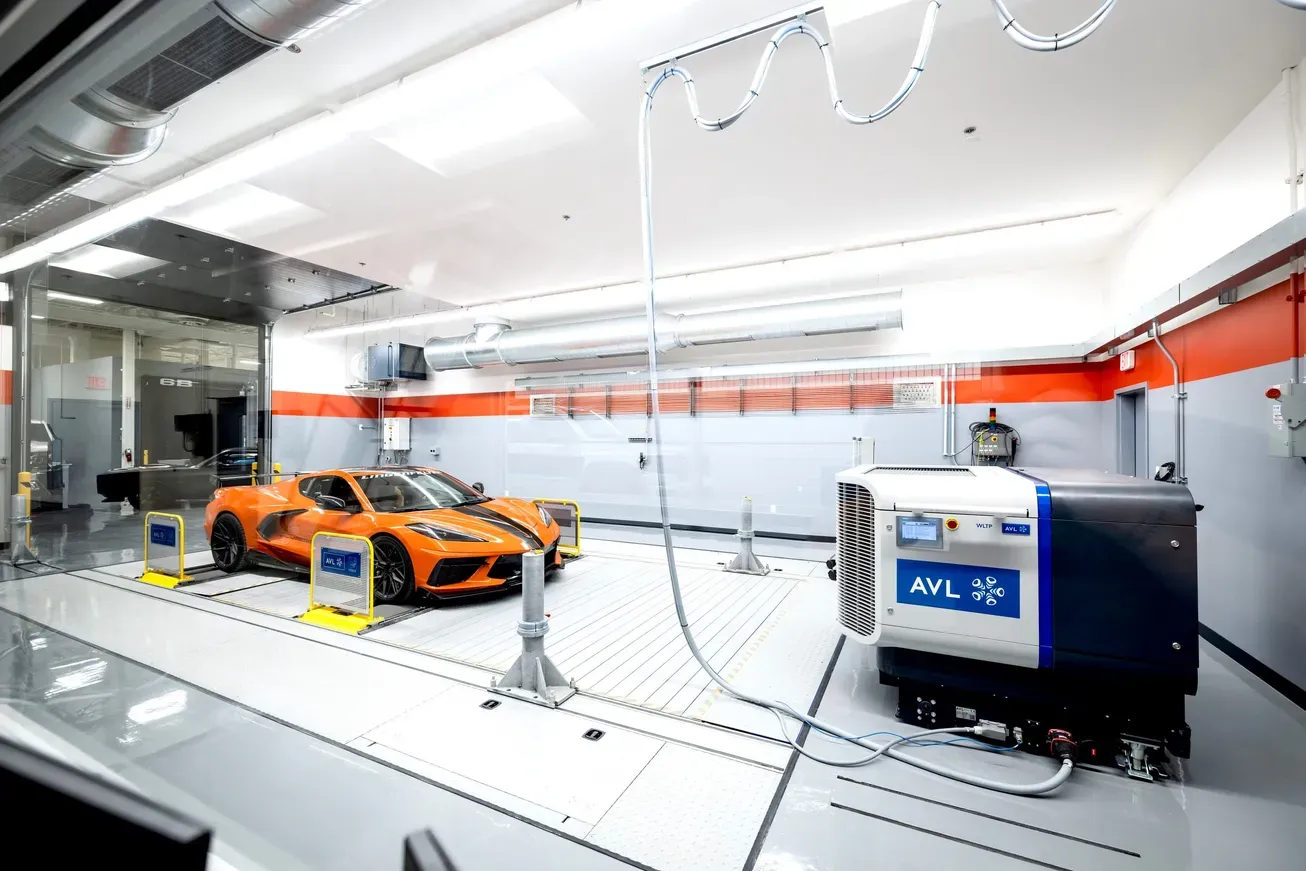
SEMA says an SC-E application through the SEMA Garage averages about $1,500 and ranges from $500 to $3,500. Emissions testing is usually the bigger bill, averaging $8,000 to $17,000, with diesel testing typically running more than gas and an ECU calibration typically running more than a cold air intake. Each certificate is tied to specific makes, models, model years and engine setups, and SEMA keeps a searchable public database of compliant products.
 View full photo
Parts makers quoted by SEMA liked what they saw. VMP Performance president Justin Starkey said in the announcement, "we finally have an alternative to the CARB EO process."
What it does not do
This is not a free pass, and it is not a new rule. SEMA's FAQ is plain about the limits:
 View full photo
- California is out. An SC-E certificate does not let anyone sell regulated parts there, because the state still requires a CARB Executive Order. SEMA says the test data can often support an application later.
- The EPA stays the regulator. It keeps enforcement discretion and can act if a product breaks the Clean Air Act or if fraud happened during certification.
- An "off-road use only" label is not an exemption, SEMA says, and a "race use only" claim only holds up if the seller tracks where the part goes.
- Other groups can apply. The EPA says it welcomes similar requests from other qualified programs.
For builders, the takeaway is simple: before you buy, look for the paperwork that matches your state and your exact vehicle.
Sources
This story is compiled from the published sources listed below.
- EPA Implements New Freedom to Fix Presidential Memorandum; Gives SEMA Greenlight to Certify Aftermarket Products, U.S. EPA
- FAQ: What EPA Recognition of SEMA Certified-Emissions Means for Aftermarket, SEMA News
- SEMA Certified-Emissions Program Earns EPA 'Reasonable Basis' Recognition, SEMA News
- Governor Newsom visits Jay Leno's Garage to sign legislation celebrating and preserving California's classic car and lowrider heritage, Office of the Governor of California
- California Governor Enacts Three Classic Car Laws in Jay Leno's Garage, ClassicCars.com Journal

Written by
Devin B.
Founder
Devin founded TORQFOLIO to cover the whole aftermarket scene, from hot rods and LS swaps to donks, drift and Baja. Based in Las Vegas and usually at a show or meet with a camera.
More from Devin B.TORQFOLIO Weekly
The best of the week in cars, builds & culture. Every Sunday.
Keep Reading
SEMA 2026 Factory Builds: Jeep Ditches the Solid Axle, Ford Brings a 1,200-Plus-HP Bronco
Devin B.,
SEMA 2026 Opens Tuesday in Las Vegas: Dates, Debuts and What to Watch
Devin B.,
SEMA 2026 From the Floor: A 1,300-HP Chevelle Champion, Desert-Ready Factory Rigs and the Builds Worth Finding
Devin B.,
Holley Sells Scott Drake and Brothers Trucks to CJ Pony Parts
Devin B.,
Conversation 0 comments
No comments yet. Start the conversation.