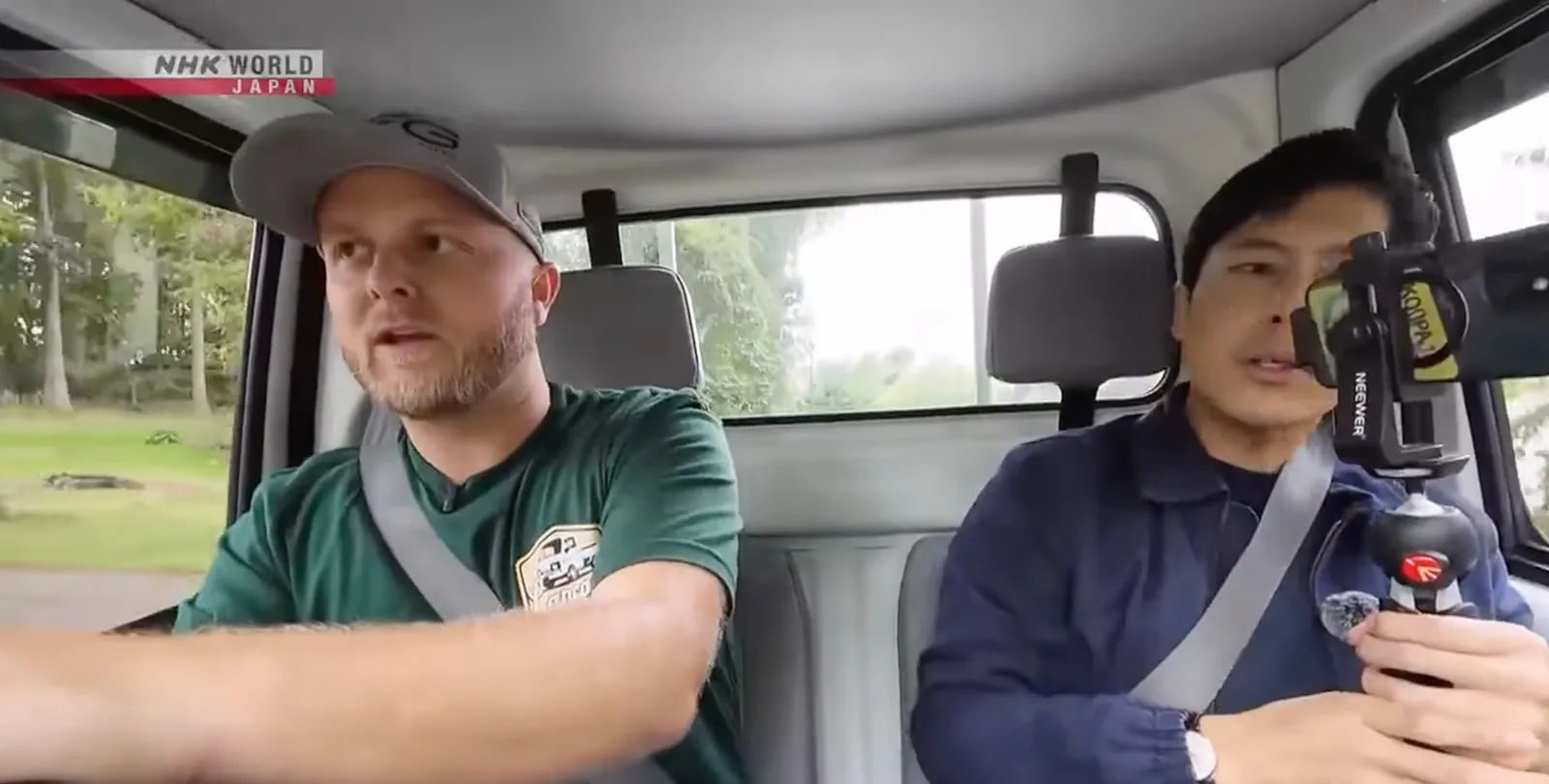
30,000 Tiny Trucks: Japanese TV Came to Pennsylvania to Ask Why Americans Love Kei Trucks
NHK World visited Lancaster Mini Truck, where the owner sells 15 to 20 imports a month, and a New York advocate who has called nearly every state senator to get them legal.
For years, the 25-year import rule was mostly about Skylines and Supras. Now some of the most in-demand Japanese imports in America are worth about as much as a used golf cart and have engines smaller than a lot of motorcycles'. Kei trucks have turned into a real phenomenon, big enough that Japan's public broadcaster sent a correspondent to Pennsylvania to figure out why.
The Drive's Stephen Edelstein wrote up the NHK World segment on Oct. 18. According to the report, about 30,000 kei trucks have been imported to the U.S. over the past five years.
The dealer: "I felt like a celebrity"
 View full photo
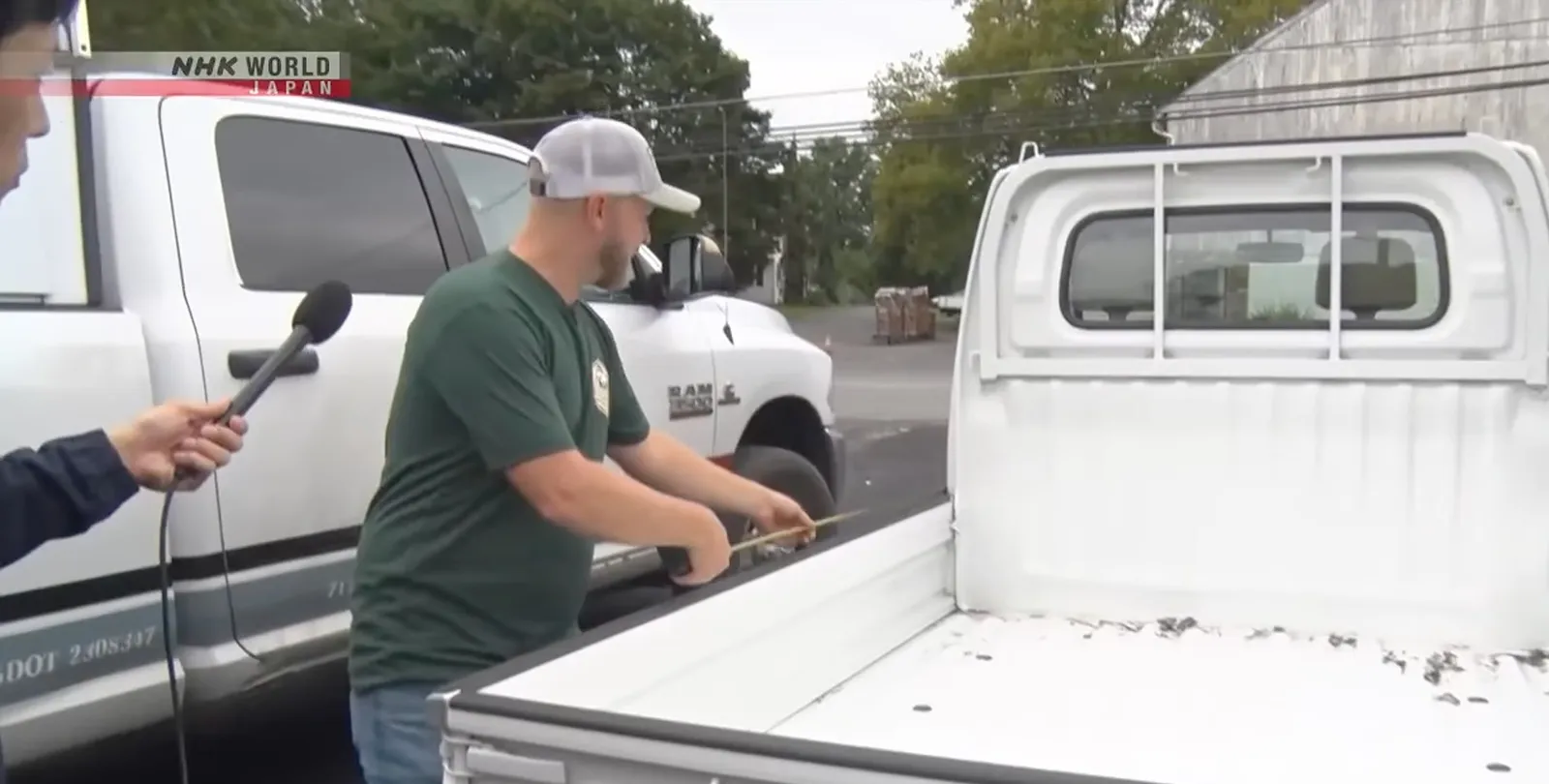
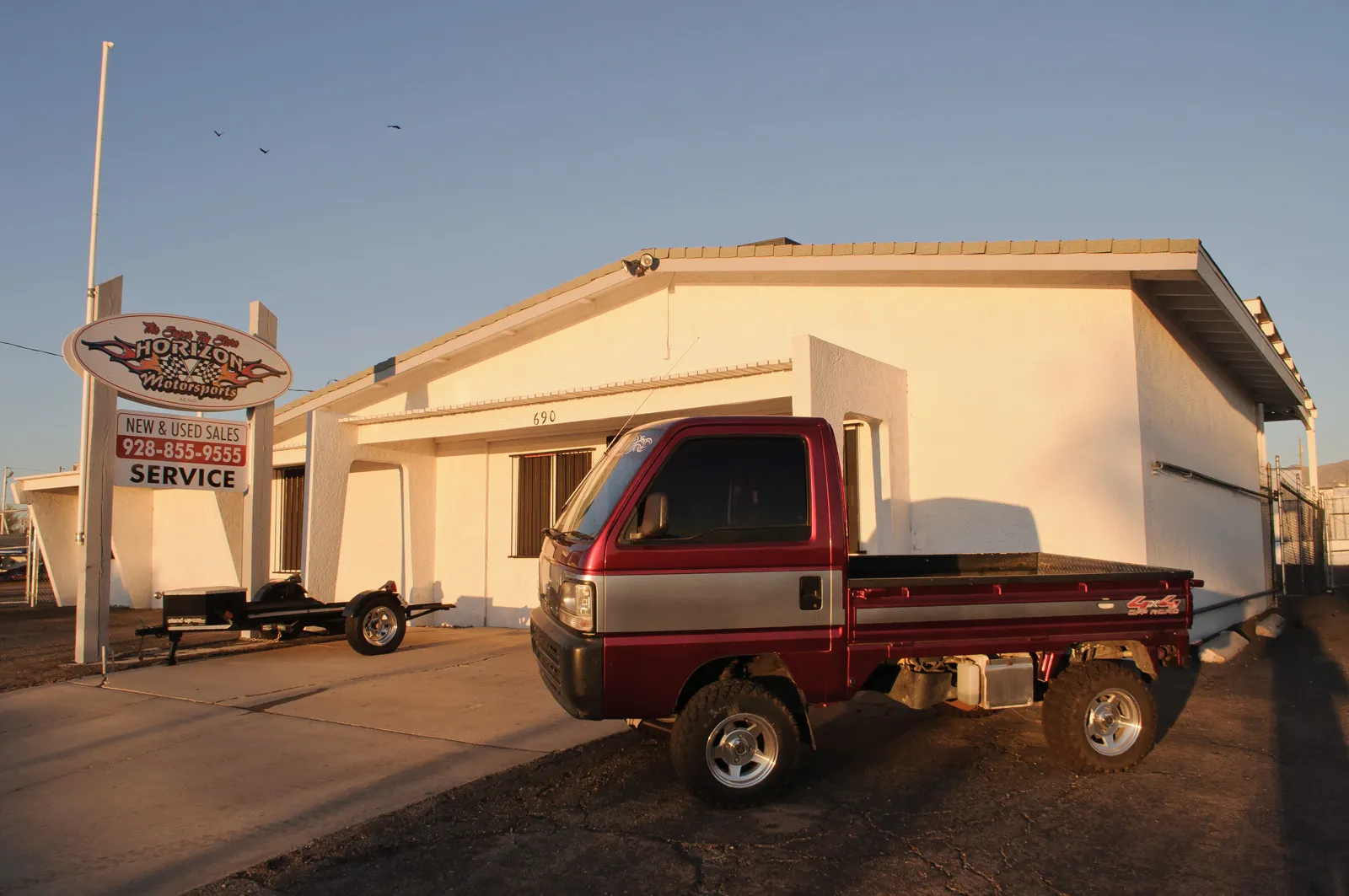
NHK's stop was Lancaster Mini Truck, a dealership stocked with cab-forward kei trucks and, per The Drive, a cartoonish Nissan S-Cargo for good measure. Owner Jake Simpson told the broadcaster how a hobby turned into a business.
I got my first mini truck five years ago. I felt like a celebrity driving it. I couldn't go to a gas station without someone asking me about it or trying to figure out how they could get their own.
Simpson now imports about 15 to 20 trucks a month, The Drive reported. He called them a no-brainer. The trucks can be had with four-wheel drive, get around 40 mpg and sell profitably for around $6,000 to $8,000, he said. Then he pulled out a tape measure on camera to compare a kei truck's bed to the bed of a late-model Ram 3500 crew cab. They matched. And the little truck has fold-down bed sides, so you can load and unload at waist height.
Why they are so small
 View full photo
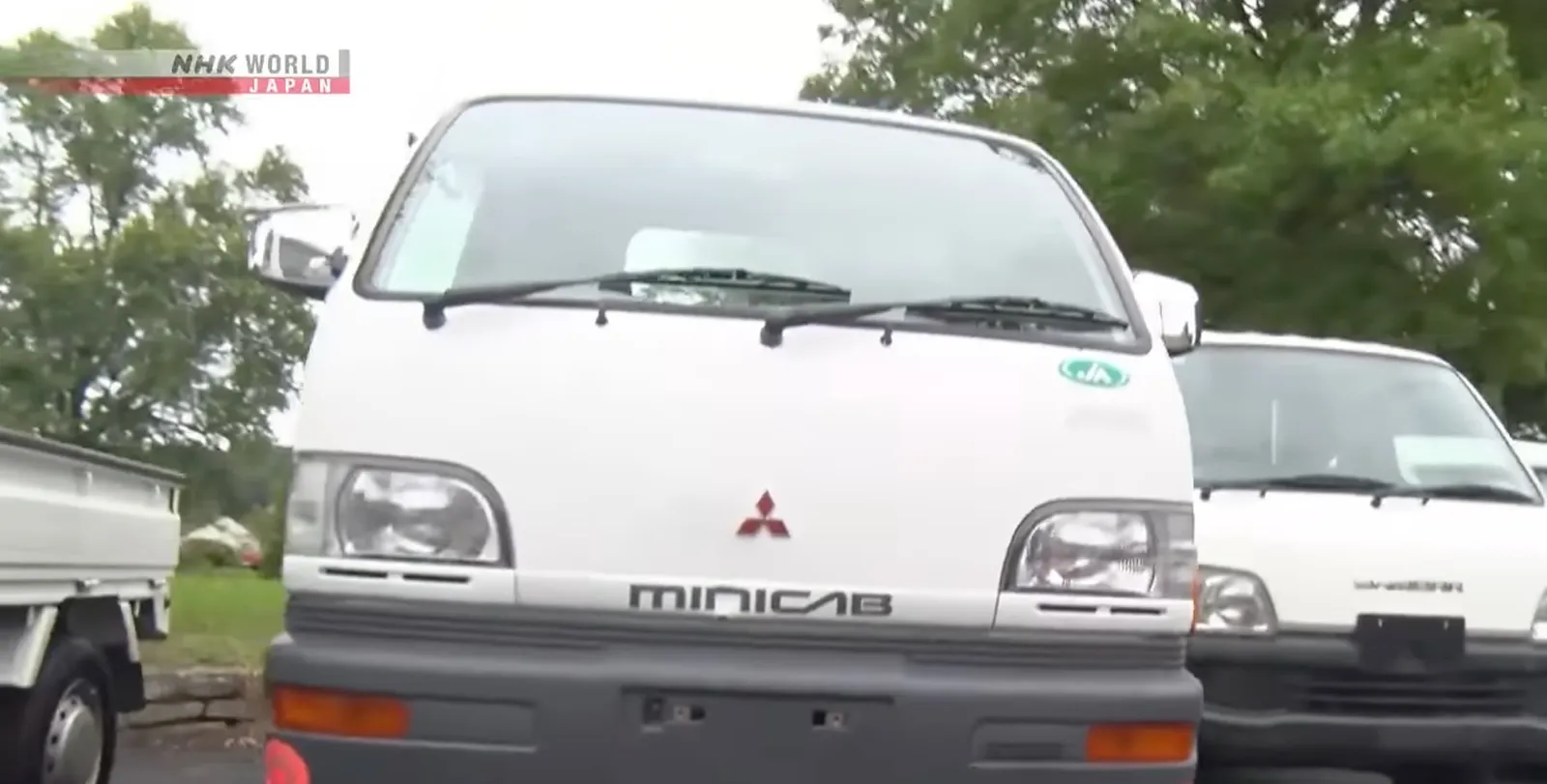
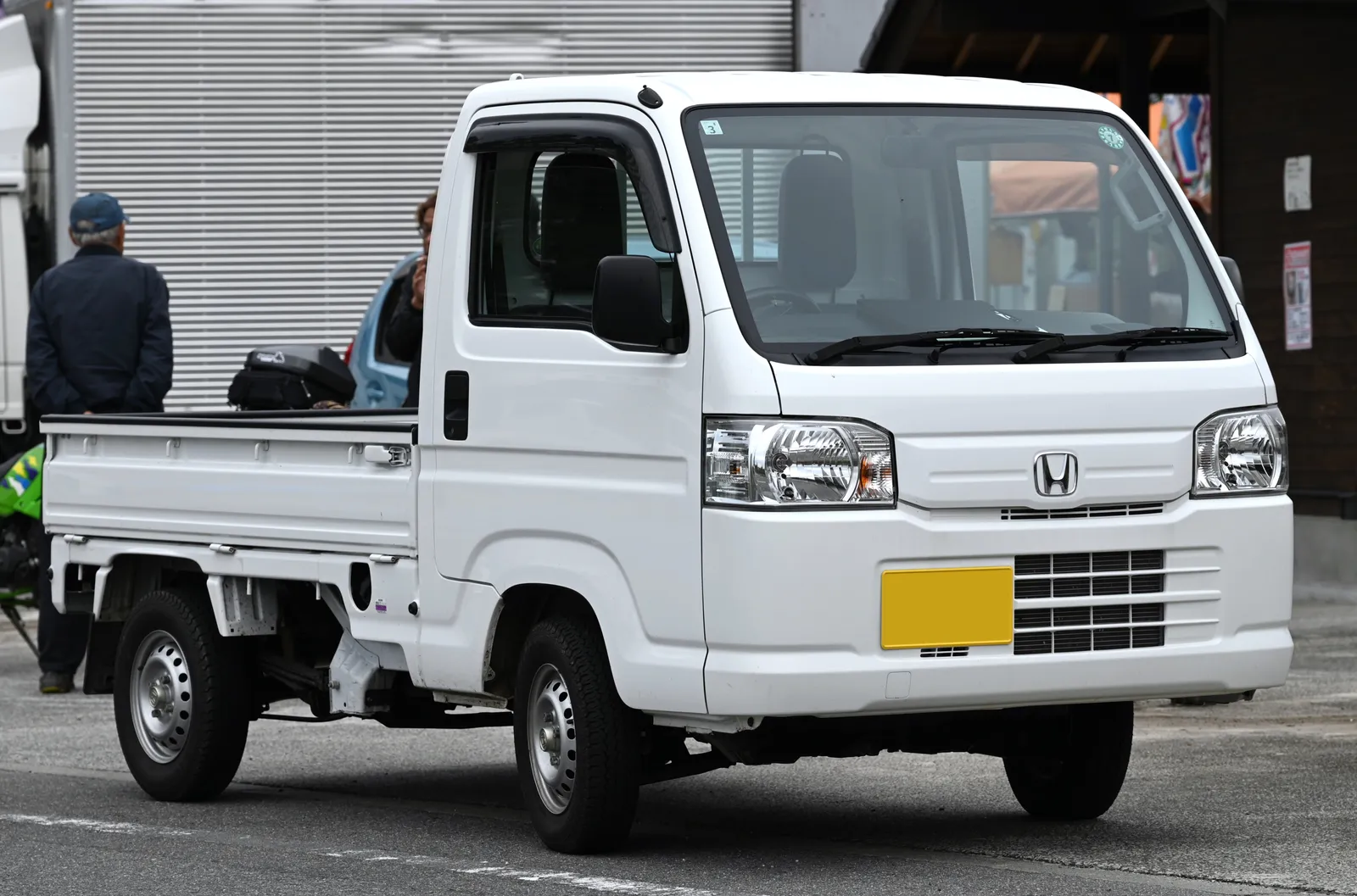
Kei means light, and kei vehicles are a Japanese class built around strict limits. As The Drive explained, Japanese regulations cap their overall size, engine displacement and power output, and in exchange owners get lower taxes and insurance. That is why a Honda Acty, Suzuki Carry, Daihatsu Hijet or Mitsubishi Minicab looks like a toy next to a full-size pickup. In Japan, they are farm and work trucks. In rural America, it turns out, they are farm and work trucks, too, and they fit down trails and between rows where a half-ton never could.
 View full photo
The fight to get them registered
 View full photo
The catch is the paperwork. Federally, any car or truck not originally built for the U.S. can be imported once it is at least 25 years old. But some states will not register kei vehicles for road use, according to The Drive. New York is one of them, and NHK found the man trying to change that.
Joey Iorio co-founded Empire State Kei Advocates to push for registration. He told NHK he has "probably called every single state Senator" to lobby for a change. Efforts like his have worked elsewhere. The Drive noted Texas legalized kei cars last year after lobbying from enthusiasts.
That patchwork is the defining fact of kei ownership in America, and it is why advocacy groups like Iorio's matter as much as the dealers. In one state a 1990s mini truck is a legal, plated, cheap runabout. Cross a state line and the same truck may be limited to the farm or off-road use. For buyers, the first question is not which truck to buy. It is what their state will let them do with it.
Why this is a culture story, not just a used truck story
The interesting part is who is buying. The Drive pointed out that kei trucks are encouraging people who just want a practical work vehicle to learn their way through the 25-year rule and state regulations, something that used to be the territory of people chasing Skyline GT-Rs. That is a real shift. The JDM import scene was built by enthusiasts. Kei trucks are pulling in farmers, landscapers, hunters and small business owners who have never heard of a Hakosuka and do not need to.
It also explains why a dealer in Lancaster County can move 15 to 20 a month. Farms, hunting land, orchards, campgrounds and job sites all need something that can haul a load without the cost of a new full-size truck, and a kei truck does a lot of that work for the price of a used side-by-side.
It also cuts against everything the American truck market has been doing. Full-size pickups have gotten bigger, taller and more expensive for decades. A $7,000 truck with a full-size bed, four-wheel drive and 40 mpg is a pointed answer to that, and the people buying them know it.
There is a JDM angle here that old-school import fans should appreciate. The same 25-year rule that brought Skylines, Supras and Silvias into American garages is now bringing in Hijets and Carrys by the container load, and the same kind of grassroots lobbying that helped legalize kei cars in Texas is why they can be plated in more places than before.
The Drive's Edelstein called the NHK segment too wholesome, and it is. But behind the smiles is a story with real stakes: a grassroots import scene, a state-by-state legal fight and a growing number of Americans deciding the best truck for the job is a tiny one from Japan.
Sources
This story is compiled from the published sources listed below.

Written by
Devin B.
Founder
Devin founded TORQFOLIO to cover the whole aftermarket scene, from hot rods and LS swaps to donks, drift and Baja. Based in Las Vegas and usually at a show or meet with a camera.
More from Devin B.TORQFOLIO Weekly
The best of the week in cars, builds & culture. Every Sunday.
Keep Reading
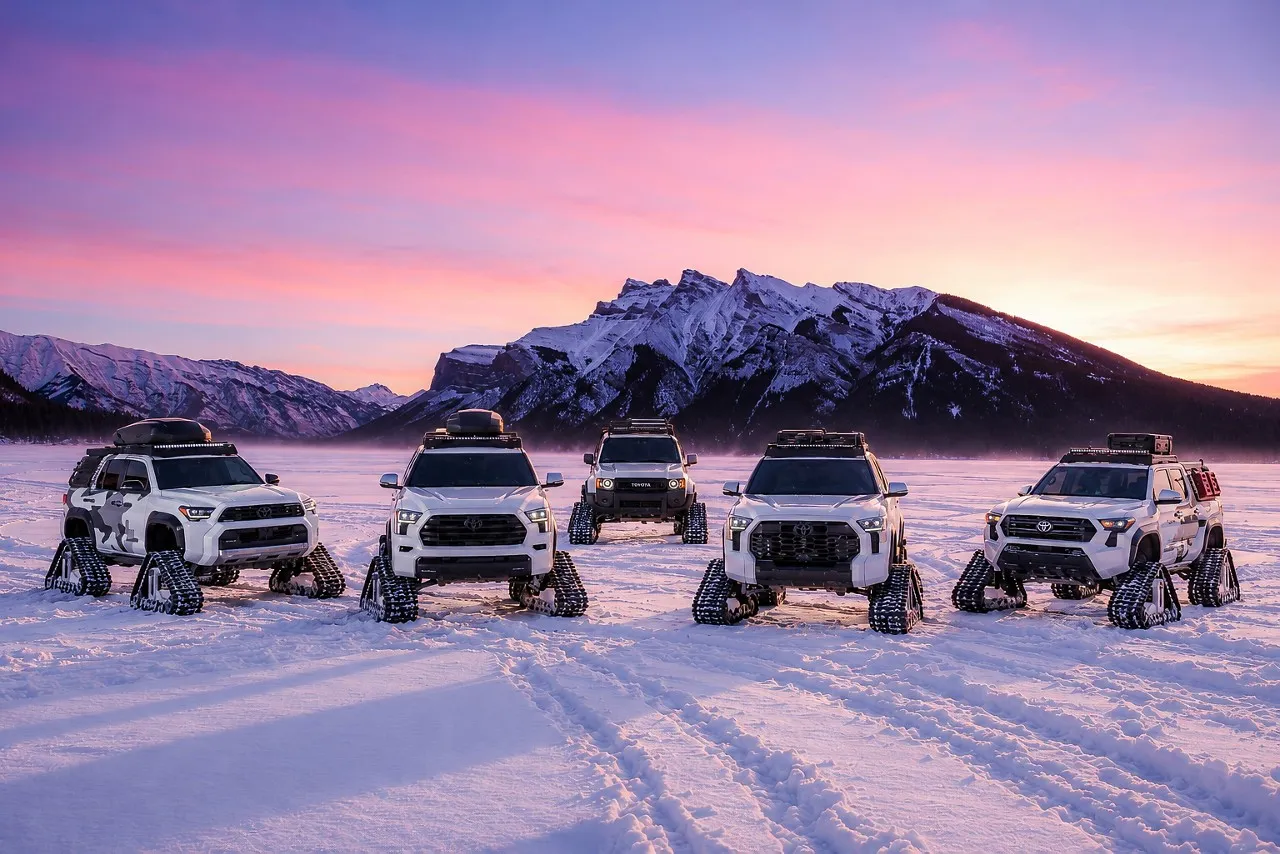
SEMA 2026 Opens Tuesday in Las Vegas: Dates, Debuts and What to Watch
Devin B.,
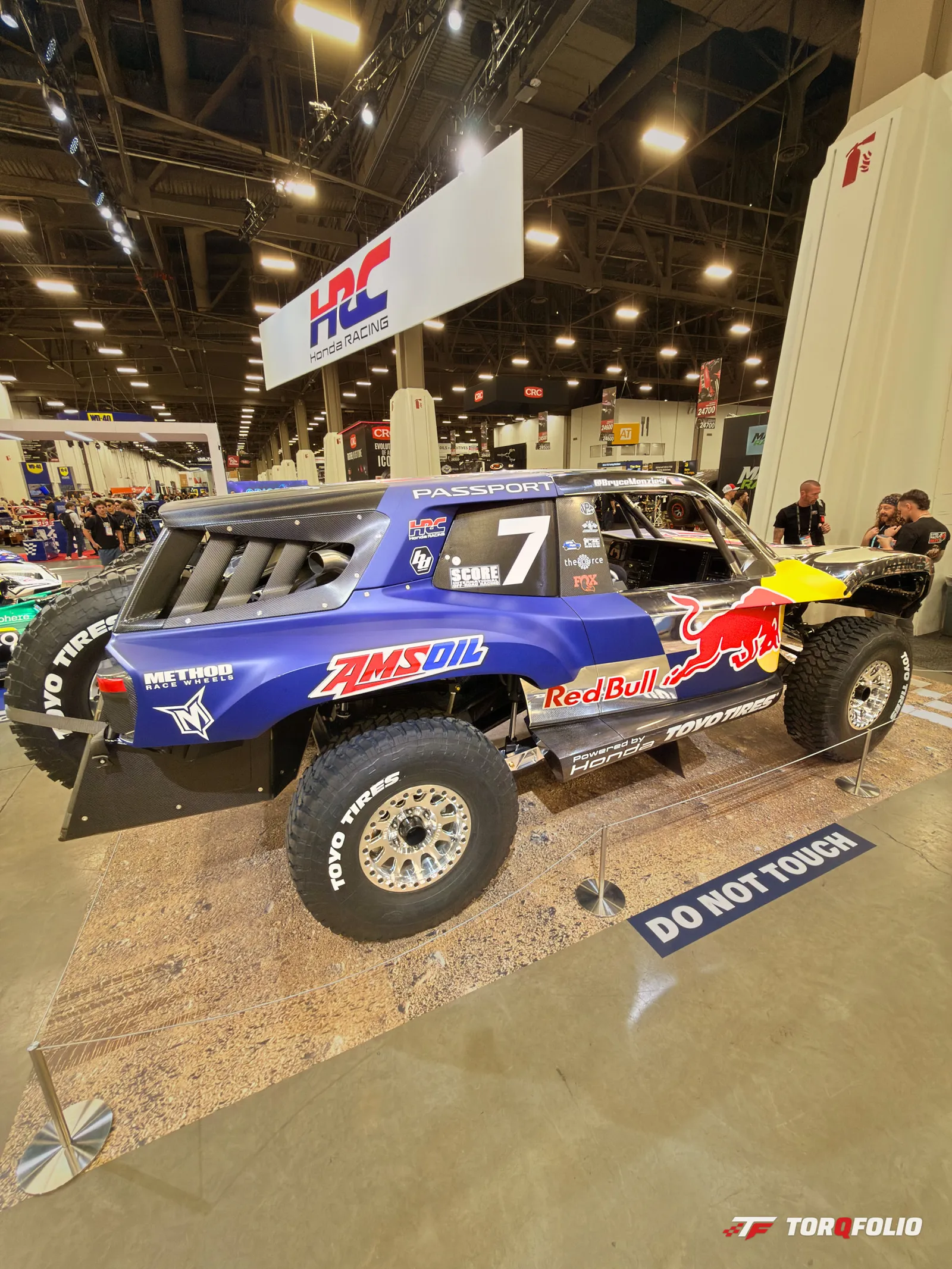
Honda's SEMA Booth Ran From a Broken 1969 Baja N600 to a 1,300-HP Hybrid Trophy Truck
Devin B.,
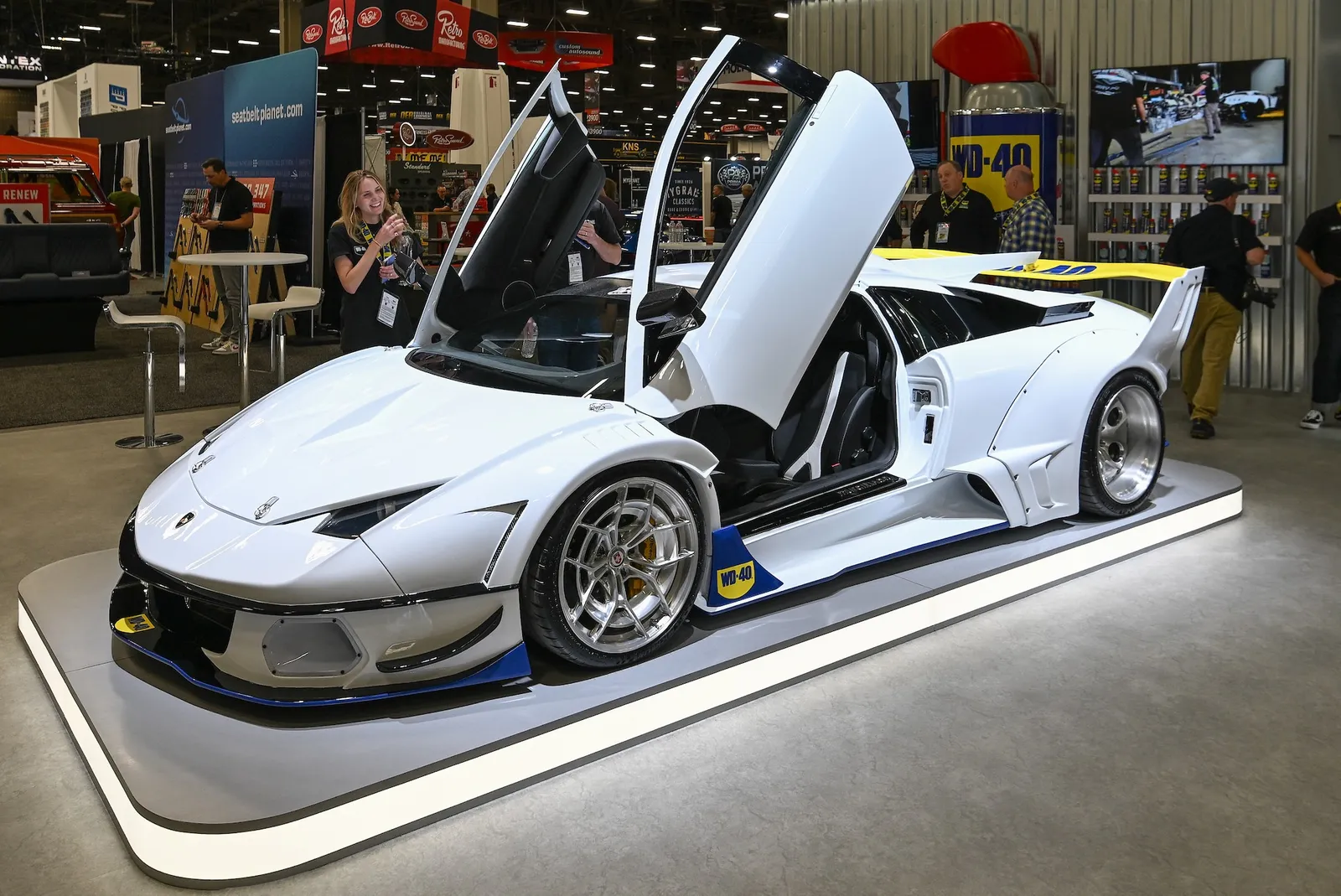
A Wrecked Murcielago, a Type R Prelude and a '55 Saved From the Eaton Fire: SEMA 2026's Day-One Reveals
Devin B.,
Edge's CTS4 Is the First All-New Insight Hardware Since 2020, With a Bigger, Faster Screen
Devin B.,
Conversation 0 comments
No comments yet. Start the conversation.